Classical music in Leeds: Opera North, the Grand and the Howard Assembly Room
A city whose opera company is also its orchestra — and one of the best small rooms in the country.
The Bravura editorial team
Published 4 September 2026 · Last reviewed 4 September 2026 · How we research and review
Leeds has a habit of punching above its weight. While other major UK cities rely on visiting tours to fill their schedules, Leeds possesses its own resident ecosystem of world-class performers. It is the only city outside London to have its own resident opera company, and that company (Opera North) is the gravitational centre around which the city’s musical life orbits.
For the visitor, this creates a unique atmosphere. This isn't a city where classical music feels like a museum piece or a polite import. Because the musicians live, rehearse, and teach here, the performances tend to have a grit and a creative restlessness that distinguishes them from the more traditional offerings in the South. Whether you are navigating the Victorian splendour of the Grand Theatre or the acoustic precision of the Howard Assembly Room, the experience is intimate and remarkably accessible.
The Epicentre: Leeds Grand Theatre
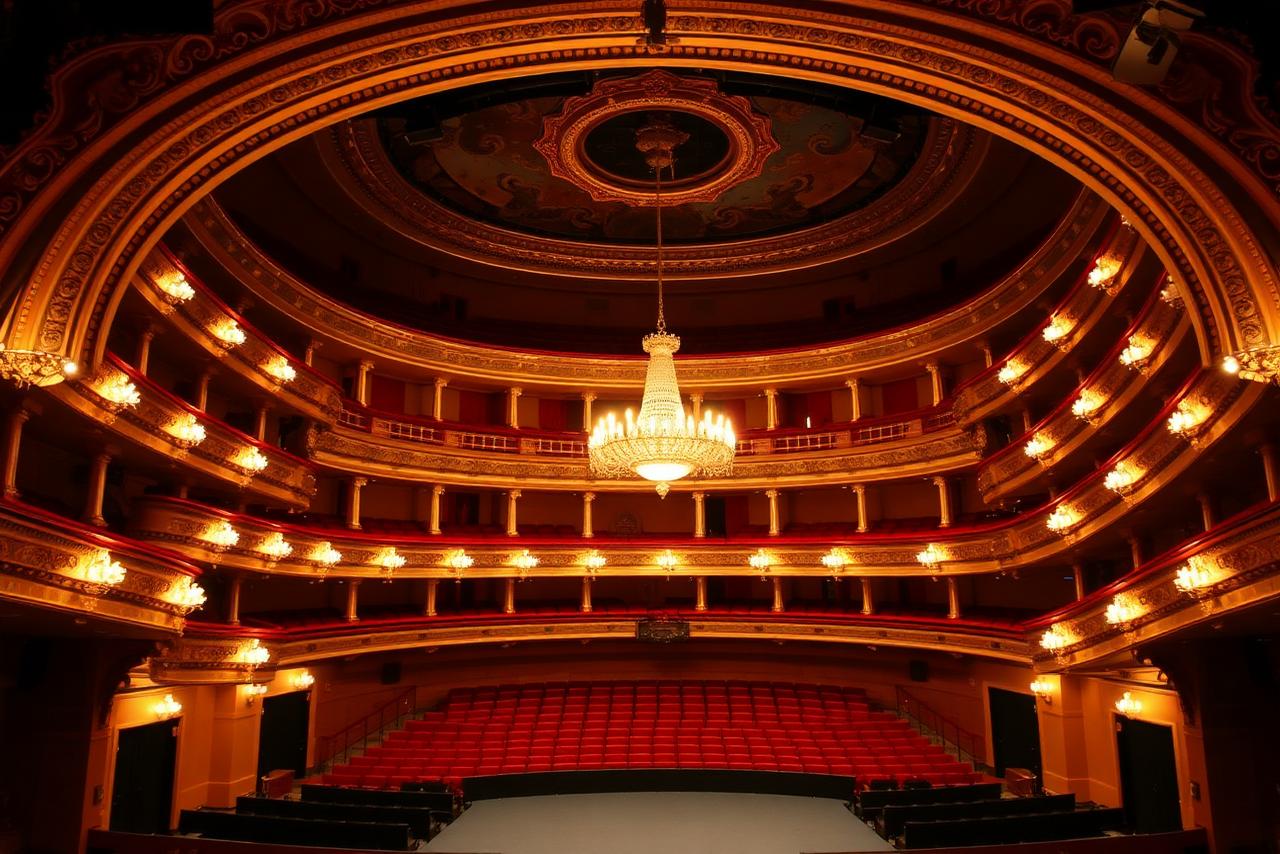
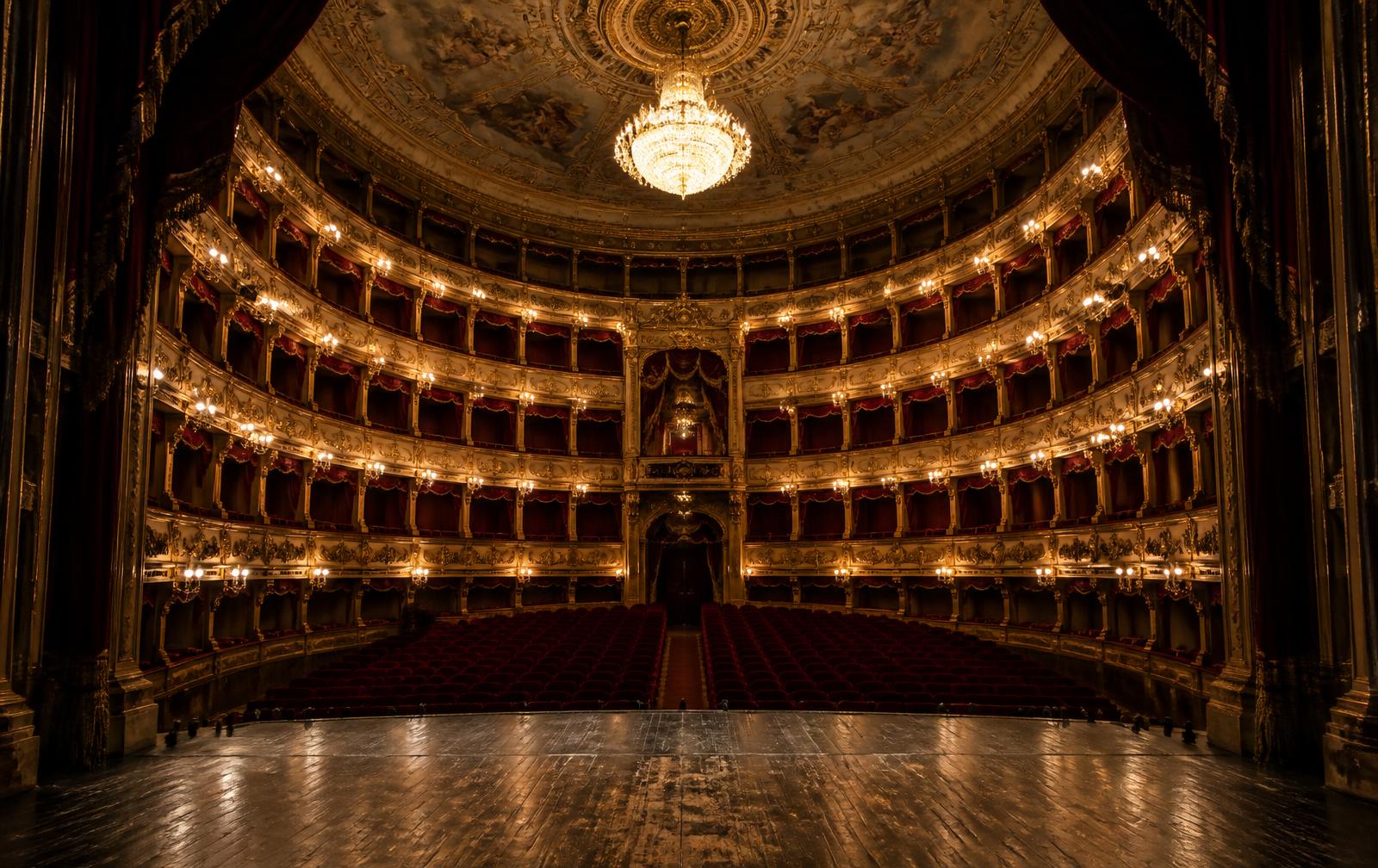
The Leeds Grand Theatre is the city’s flagship venue, a late-Victorian temple of red brick and terracotta that feels much larger on the inside than its street presence suggests. It is the permanent home of Opera North and Northern Ballet, two of the UK’s most significant touring companies.
The Grand is a traditional proscenium arch theatre. For opera and ballet, this is exactly what you want: it offers the scale required for grand scenery and the pit space for a full romantic orchestra. If you are here for a major production, such as Verdi’s Rigoletto or Tchaikovsky’s Eugene Onegin, you are seeing the company on their home turf.
The sightlines are generally excellent, though like any Victorian house, the Upper Circle can feel steep. The acoustics are surprisingly warm for a room designed before modern sound engineering, allowing the singers to be heard clearly over the orchestra without the need for artificial amplification.
Opera North: The Resident Powerhouse
In most cities, the orchestra and the opera company are separate entities. In Leeds, the Orchestra of Opera North serves both functions. This dual life gives them a specific character: they are highly theatrical and exceptionally versatile.
When they aren't in the pit for a four-hour Wagner epic, you will find them performing symphonic concerts or scaled-down chamber sessions. We find their "Distilled" series, often held in smaller venues, to be an excellent entry point. These shorter programmes might pair a contemporary work like Caroline Shaw’s Entr’acte with a romantic staple like Tchaikovsky’s Souvenir de Florence, stripped of the usual concert-hall formalities.
The Chorus of Opera North is equally vital. They are one of the few full-time professional choruses in the country, and their presence ensures that even the most demanding choral works are performed with a precision that visiting amateur choirs can rarely match.
Northern Ballet: Storytelling in Motion
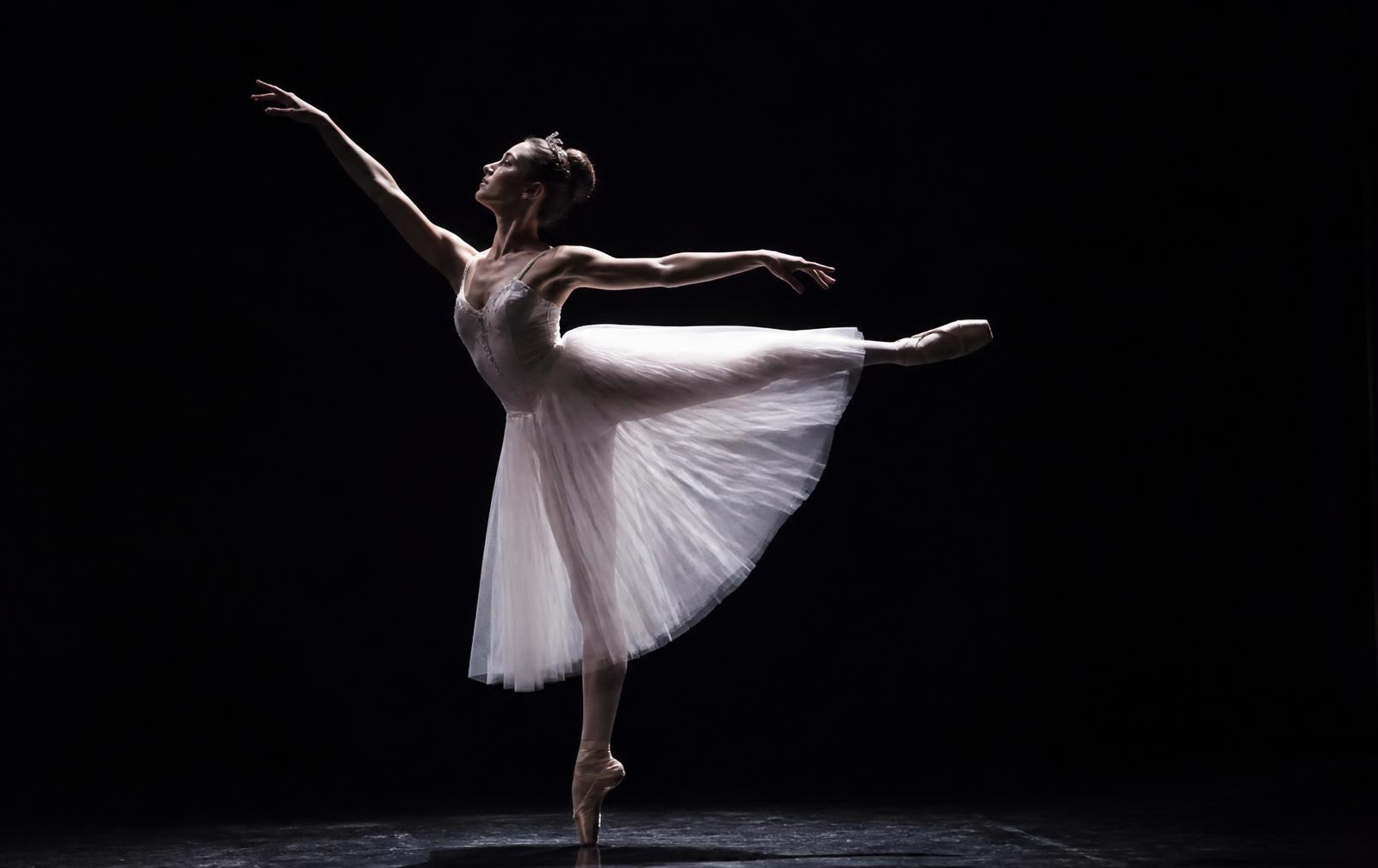
Sharing the Grand Theatre stage is Northern Ballet. Unlike companies that focus exclusively on abstract, classical technique, Northern Ballet is famous for its narrative drive. They specialize in telling full-length stories through dance, often commissioning new scores or reimagining classics.
Their repertoire spans from the traditional — such as Sergei Prokofiev’s Cinderella — to contemporary triple bills featuring choreographers like Tiler Peck or Hans van Manen. For those who find the lack of speech in ballet intimidating, this company is a sensible place to start; their productions are designed to be read as drama as much as they are to be admired as dance.
Beyond the Grand, the company also performs at the Stanley & Audrey Burton Theatre. This is a much smaller, studio-style space within their purpose-built headquarters. It is one of the best places in the North to see dance up close, where you can hear the dancers’ breathing and the strike of their shoes on the floor.
The Howard Assembly Room
Hidden behind a discreet entrance next to the Grand Theatre is the Howard Assembly Room. For years, this space was a derelict storage area; today, it is perhaps the most acoustically perfect room in Leeds.
With its high ceilings, wooden floors, and Gothic windows, the room has a "bright" acoustic that suits chamber music, song recitals, and experimental electronics perfectly. Its programming is deliberately eclectic. On the Bravura diary, you might see a traditional choir one night and a mambo orchestra or a "Dance Music Archive" audio-visual set the next.
It is the kind of room where you can take a chance on a composer you have never heard of, confident that the acoustic and the atmosphere will do the heavy lifting.
Because of its smaller capacity, the Howard Assembly Room often sells out faster than the Grand. It feels like a private club for the musically curious, and the bar (the Kino) is a cut above the usual theatre interval offerings.
How to Book and What to Pay
Leeds is significantly more affordable than London or Manchester for high-end performances. According to the Bravura diary, you can find tickets for as little as £8, though a typical entry-level price for a good seat at the opera or ballet is closer to £20.
- Opera North: They operate a tiered pricing system. If you are under 30 or a student, there are significant discounts available. For everyone else, booking early is the only way to secure the best-value seats in the stalls or dress circle.
- The Grand Theatre: This venue uses dynamic pricing for some shows, meaning prices may rise as the date approaches and seats become scarce.
- Howard Assembly Room: Most tickets here are at a flat rate or have very few tiers. It is a democratic space where every seat has a clear view and excellent sound.
Practicalities: An Evening in Leeds
The "cultural quarter" of Leeds is remarkably compact. The Grand Theatre, the Howard Assembly Room, and the main Leeds Central Library are all within a few minutes' walk of each other.
- Arrival: If you are coming by train, the walk from Leeds Station to the Grand takes about ten to fifteen minutes.
- Dress Code: There isn't one. You will see people in suits and people in jeans. The city’s musical culture is unpretentious; the focus is firmly on the stage.
- Intervals: At the Grand, the bars can get crowded. If you are at the Howard Assembly Room, the atmosphere is more relaxed, but it is still worth pre-ordering your drinks to avoid the queue.
- Pre-concert talks: Opera North frequently holds introductory talks or "in conversation" events before their main performances. These are usually free but may require a separate booking. Check the company’s own listings via our guides page.
What to Hear First
If you are new to the Leeds scene, we suggest starting with one of these three experiences:
- A Mainstage Opera: Look for a production by Opera North at the Grand. Their stagings are rarely "stodgy" and often feature striking, modern visual designs.
- A Recital at the Howard Assembly Room: Whether it is the resident strings of the orchestra or a visiting soloist, the intimacy of this room is the best way to experience the "raw" sound of classical instruments.
- Northern Ballet at the Grand: Prokofiev’s Cinderella is an ideal entry point—accessible music, a familiar story, and world-class choreography.
For a full list of what is coming up this season, including specific dates for Eugene Onegin, Rigoletto, and various chamber concerts, consult the Bravura diary.
Planning Your Visit
The best way to experience music in Leeds is to look for "double-headers." Because the Howard Assembly Room and the Grand Theatre are physically connected, you can often find a lunchtime recital in the former followed by a major production in the latter.
To see the latest schedules, prices, and venue details for all upcoming performances in the city, visit the Bravura calendar. You can also find more detailed profiles of the resident ensembles and their history on our guides page.