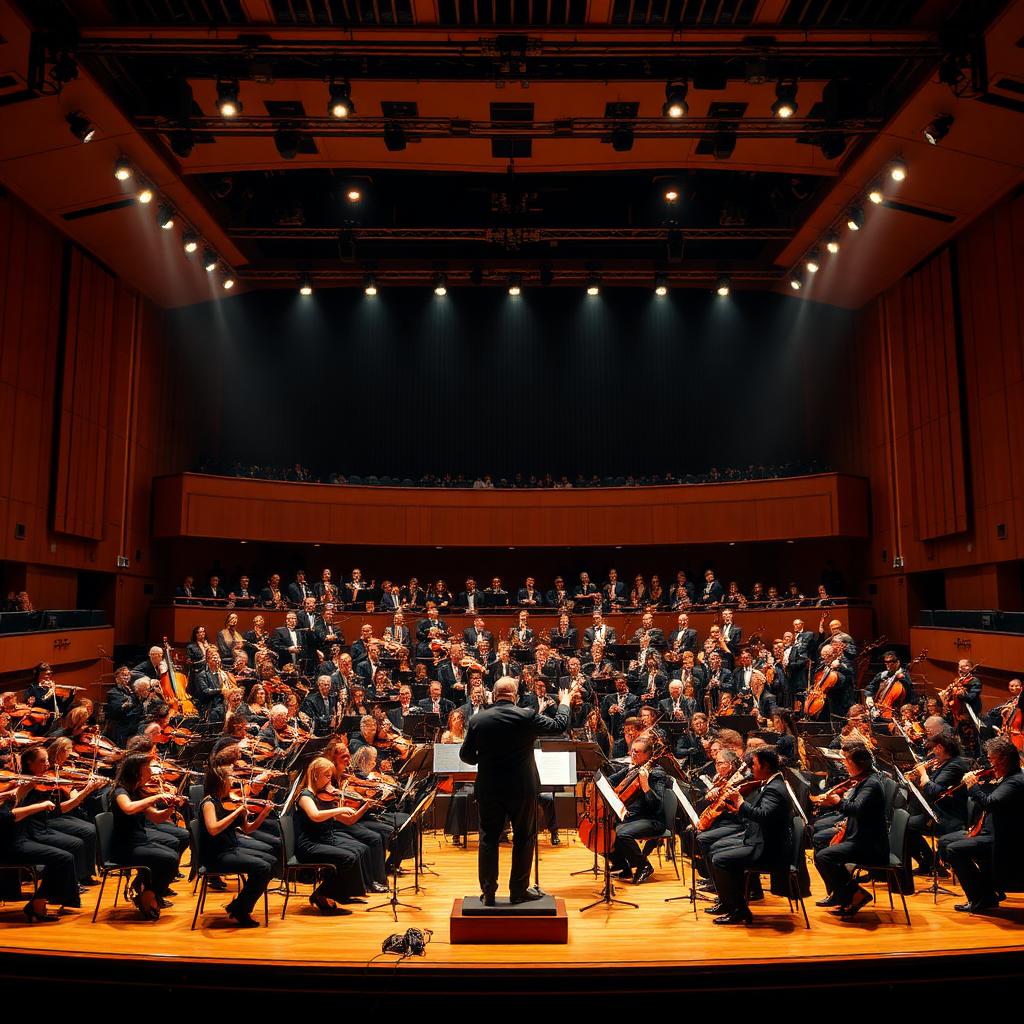
Classical music in London: halls, orchestras and how to book
Five world-class orchestras, two opera houses and more concerts in a week than most countries manage in a month.
The Bravura editorial team
Published 2 September 2026 · Last reviewed 2 September 2026 · How we research and review
London is arguably the most saturated classical music market on the planet. While other cities may boast a single, venerable orchestra with a decades-long waiting list for subscriptions, London operates on a model of relentless, high-quality competition. On any given Tuesday, you might have to choose between a visiting Berlin Philharmonic at the Royal Albert Hall and a world-class Bach recital in a Mayfair church.
For the newcomer, the sheer volume of the Bravura diary for London can be daunting. The city does not have one "centre" for the arts; instead, it has several distinct hubs, each with its own acoustic personality and resident ensembles. Navigating them requires a bit of geographical sense and an understanding of how the UK’s idiosyncratic funding model affects what you see on stage.
The Big Two: Barbican and Southbank
Most orchestral life in London revolves around two Brutalist landmarks on either side of the Thames.
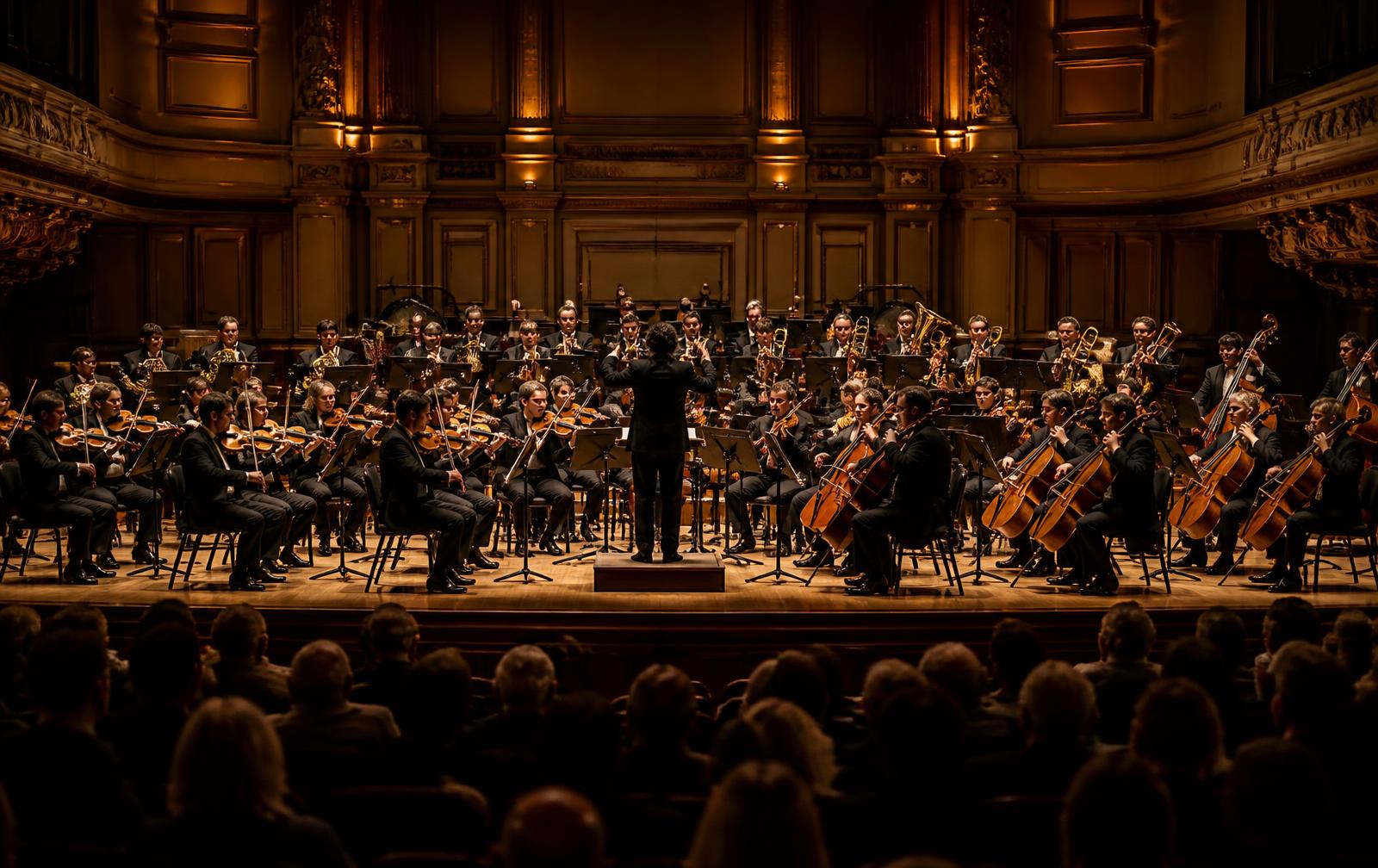
The Barbican Centre, located in the City, is the home of the London Symphony Orchestra (LSO). The LSO is widely considered the UK’s flagship ensemble — precise, powerful, and often led by the world’s most sought-after conductors. The hall itself has a "dry" acoustic, meaning you hear every detail with clinical clarity, which suits the complex, modern programming the LSO often champions. Nearby, Milton Court Concert Hall and LSO St Luke’s provide more intimate settings for chamber music and London premieres of contemporary works.
Across the river sits the Southbank Centre, housing the Royal Festival Hall. This is the primary base for the London Philharmonic Orchestra (LPO) and the Philharmonia Orchestra. The Southbank atmosphere is generally more relaxed and populist than the Barbican, with a massive foyer that remains open to the public all day. If you are looking for the "Big Romantic" repertoire — Beethoven, Brahms, or Rachmaninov — you will likely find it here.
The Opera Houses
London is a two-house opera town, and the distinction between them is sharp.
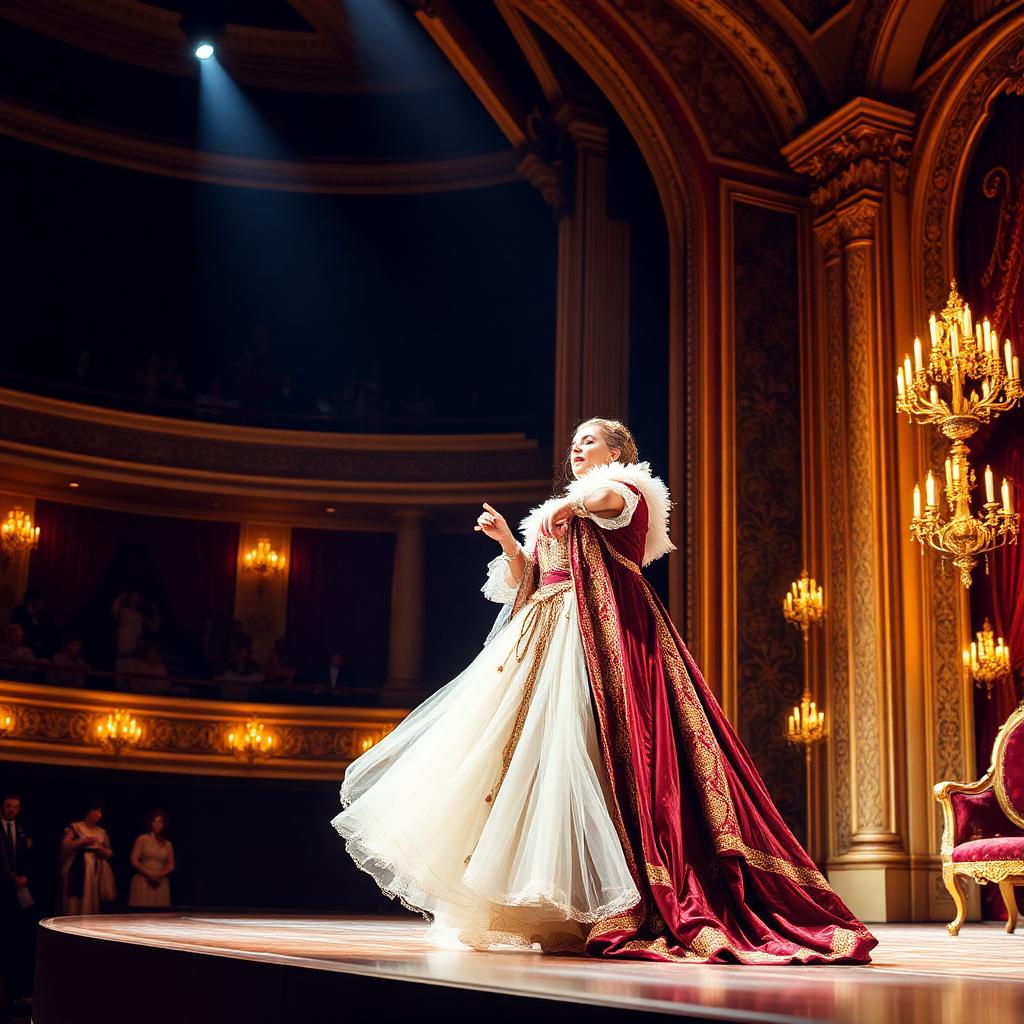
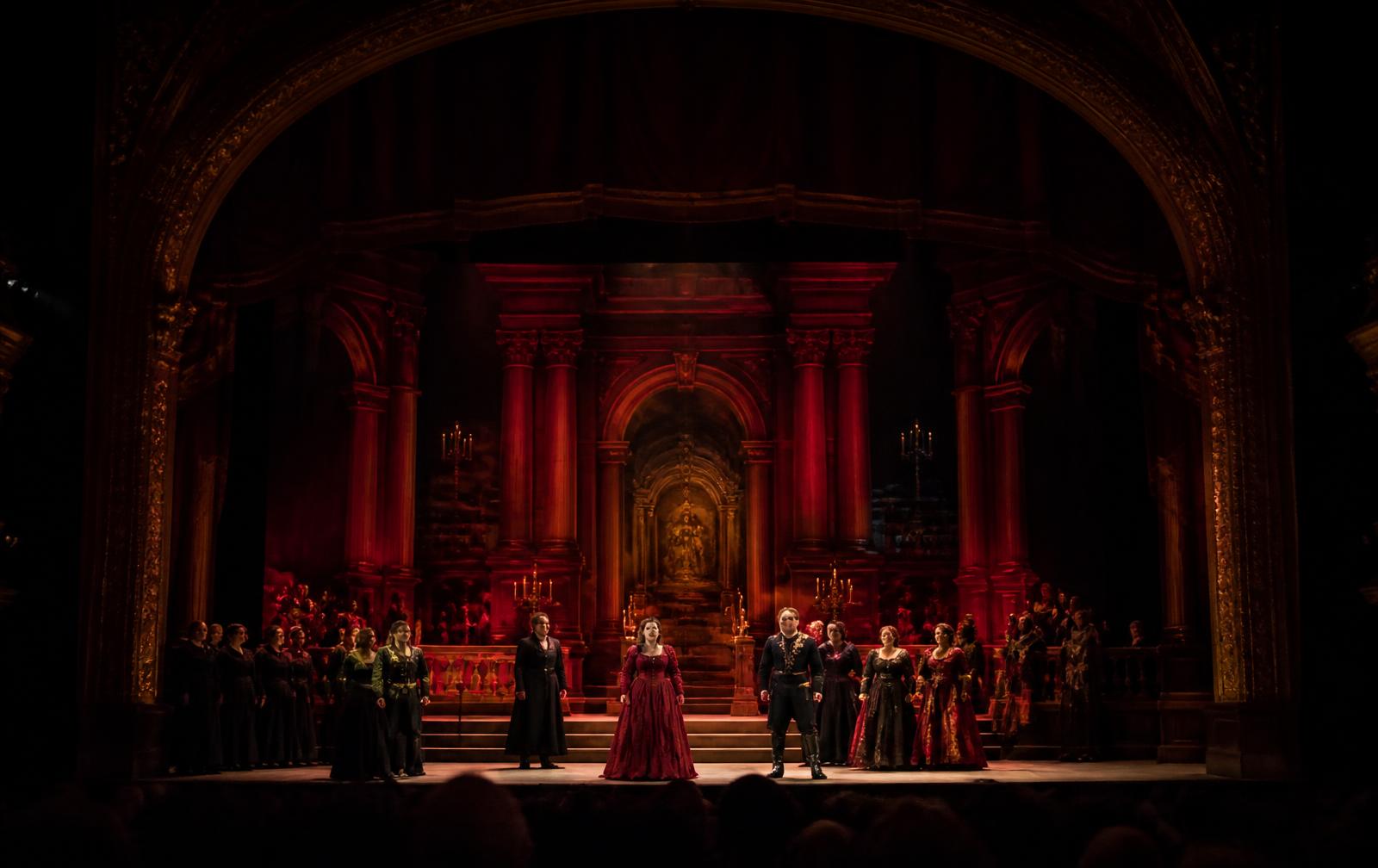
The Royal Ballet and Opera (formerly the Royal Opera House) in Covent Garden is the international heavyweight. It is where you go for lavish sets, global superstars, and the traditional experience of opera in its original language. As the Bravura diary shows, they are the most active company in the city, frequently staging classics like Don Giovanni alongside world-class ballet.
English National Opera (ENO), based at the London Coliseum, operates differently. Their mandate is to perform everything in English. This makes them a superb entry point for those who find subtitles distracting. The Coliseum is also the largest theatre in London, offering a sense of scale that can be overwhelming in the best possible way.
The "Sacred" and the Intimate
Beyond the concrete halls, London’s choral and early music scene is world-leading. Many of these performances take place in churches that were standing when the music was composed.
- St Martin-in-the-Fields: Located on the corner of Trafalgar Square, this church hosts candlelit concerts and elite choral ensembles like The Sixteen.
- Cadogan Hall: A converted Christian Science church near Sloane Square, now a permanent home for the Royal Philharmonic Orchestra. It has a warm, wooden acoustic that is far more forgiving than the larger halls.
- Wigmore Hall: While not always the highest-volume venue in the diary, this is the global "temple" of the song recital and string quartet. If a world-famous pianist is in town, they are usually here.
The Royal Albert Hall and the Proms
No guide to London is complete without the Royal Albert Hall. It is an architectural marvel — a giant red-brick rotunda that holds over 5,000 people. While it hosts concerts year-round, it is most famous as the home of the BBC Proms from July to September.
During the Proms, the BBC Symphony Orchestra and visiting titans like the Berlin Philharmonic or Munich Philharmonic perform nightly. The hall is famous for its "Promenading" tickets — on the day of the performance, hundreds of tickets are sold for the standing area in the centre of the floor (the Arena) or the very top gallery. It is the cheapest way to see the world's best musicians, though your legs will pay the price.
"The London audience is famously attentive but not precious; you will see trainers next to tuxedos, and both are equally welcome."
Practicalities: Booking and Costs
London is expensive, but classical music remains surprisingly accessible if you know where to look.
- Pricing: While top-tier seats at the Royal Opera House can exceed £200, the typical lowest price for a standard orchestral concert is around £20. Some lunchtime concerts or student schemes offer entry for as little as £1 or £5.
- Dynamic Pricing: Unlike the West End, classical music prices don't always skyrocket at the last minute, but the best "cheap" seats (usually in the choir stalls behind the orchestra or the high galleries) sell out weeks in advance.
- Dress Code: There isn't one. Unless it is a gala opening night at Covent Garden, you can wear whatever you like. Most Londoners head to concerts straight from work, so the dress code is generally 'office casual'.
- The Intervals: Most concerts last about two hours including a 20-minute interval. Pre-ordering your drinks at the bar before the show starts is the only way to avoid spending your entire break in a queue.
How to plan your evening
If you are visiting, try to match the venue to the vibe of your trip. If you want a "London night out," the Southbank Centre allows you to walk along the Thames under the city lights before the music starts. If you want something cerebral and intense, the Barbican is unparalleled.
For those interested in the history of the city, seeking out a performance by the BBC Singers or The Sixteen in a historic church like St James’s Piccadilly offers a connection to London’s past that a modern concert hall cannot replicate.
Check the Bravura diary to see what is playing during your visit. You can filter by genre — be it a massive Orchestra performance at the Albert Hall or a quiet night of Chamber music — to find something that fits your temperament.
What to hear first
If you are new to the city’s offerings, look for these reliable entries in the diary:
- The LSO at the Barbican: For world-class technical perfection.
- The Proms at the Royal Albert Hall: For the scale and the atmosphere, especially if a visiting international orchestra is on the bill.
- Opera at Covent Garden: Even if you sit in the "slips" (the high, side-view seats), the building itself is part of the show.
- Choral music at St Martin-in-the-Fields: For a quintessentially British experience of sacred music.
For a full list of upcoming performances, venues, and ticket links, visit our London calendar. You can also browse our guides for more detailed introductions to specific composers or ensembles mentioned here.