Classical music in Manchester: the Hallé, the Bridgewater and beyond
A city with two full symphony orchestras, a superb hall and a genuinely affordable habit.
The Bravura editorial team
Published 2 September 2026 · Last reviewed 2 September 2026 · How we research and review
Manchester possesses a musical gravity that often pulls the centre of the British classical scene away from London. It is a city that takes its culture seriously but without the defensive stiff-upper-lip sometimes found in the capital. Here, the orchestral tradition is deeply industrial, built on the nineteenth-century belief that great art should be accessible to everyone who works for a living.
Today, Manchester is the only UK city outside London to support two full-time symphony orchestras. It also boasts one of the world’s leading conservatoires and a purpose-built concert hall that remains, three decades after opening, a benchmark for acoustic clarity. Whether you are looking for a massive Mahler symphony, a world premiere, or a touring ballet, the city offers a schedule that is remarkably dense and, crucially, significantly more affordable than southern alternatives.
The Powerhouse: The Bridgewater Hall
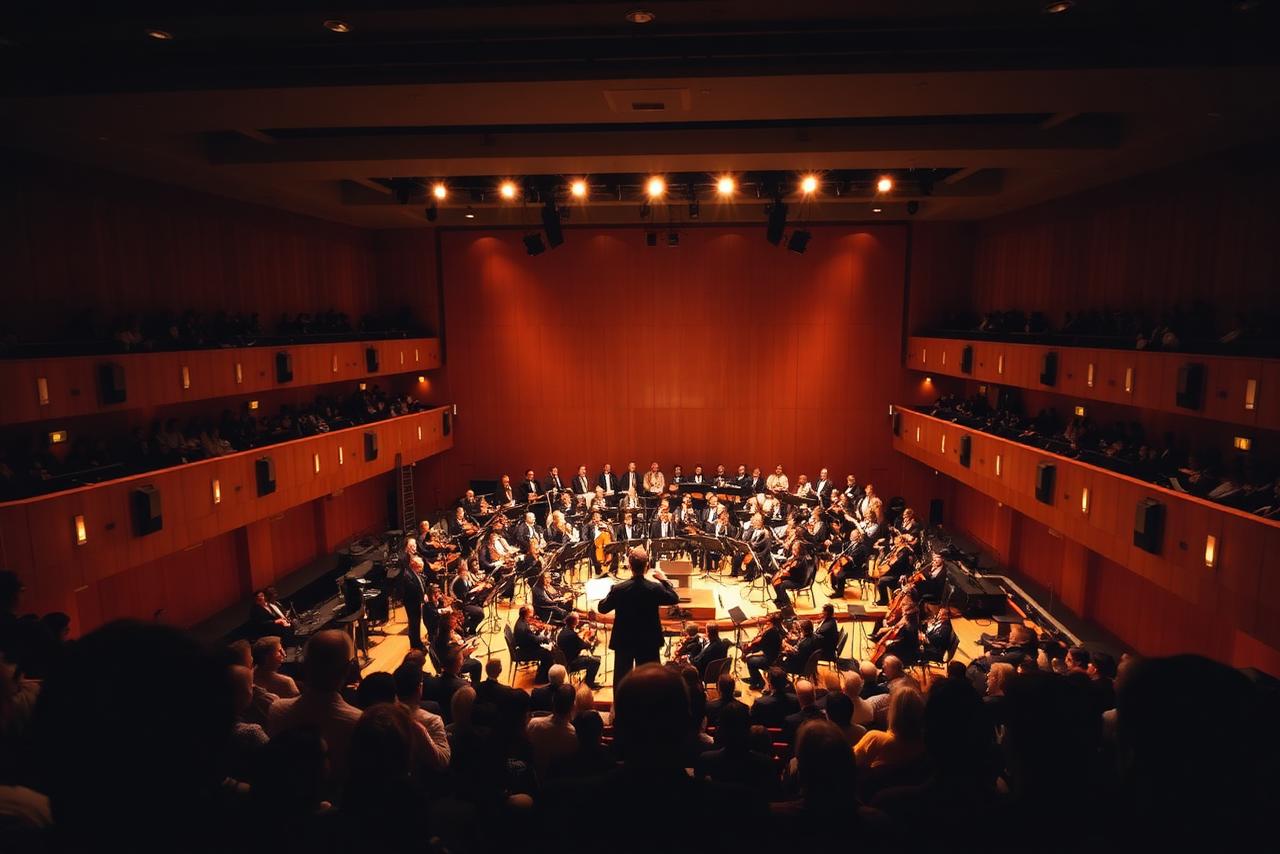
The majority of Manchester’s orchestral life centres on The Bridgewater Hall. Opened in 1996, it was designed specifically to house a symphony orchestra, and it shows. The building sits on nearly 300 giant springs to insulate the auditorium from the rumble of nearby trams and trains.
Inside, the sound is clinical in the best sense: you can hear the distinct grain of a solo cello or the precise click of a percussionist’s stick even from the back of the Upper Tier. It is the permanent home of The Hallé and the primary Manchester base for the BBC Philharmonic.
- Seating: The hall is 'vineyard' style, meaning seats wrap around the stage. Sitting behind the orchestra (in the Choir seats) is often the cheapest option and offers a fascinating view of the conductor’s face.
- Acoustics: It is a 'bright' hall. High notes and brass fanfares ring out clearly, though some find the bass slightly lean compared to older, woodier halls.
- Socials: The bars are efficient, but the surrounding St Peter’s Square area is packed with better spots for a pre-concert drink.
The Resident Giant: The Hallé
The Hallé is the UK’s oldest professional symphony orchestra, founded in 1858 by Charles Hallé. They are the backbone of the city’s musical identity. Under their new Principal Conductor, Kahchun Wong, the orchestra is currently in a state of high energy, balancing the core German classics with an adventurous streak of new commissions.
You will see the Hallé appearing in the Bravura diary in several guises. There is the main symphony orchestra, the Hallé Pops (which tackles film scores and light classics), and their impressive choral arm, comprising the Hallé Choir and youth ensembles. Their programming often leans into the monumental—think Rachmaninov, Prokofiev, and large-scale Mahler.
The BBC Philharmonic
While the Hallé is the historic heart, the BBC Philharmonic is the city’s experimental engine. Based at MediaCityUK in nearby Salford but performing primarily at the Bridgewater, they function as a broadcast orchestra. This means their programmes are often more eclectic, frequently pairing a famous concerto with a twentieth-century rarity or a contemporary piece you’ve never heard of.
Their concerts are often recorded for BBC Radio 3, which adds a certain electric tension to the room. If you want to see Sibelius or Brahms performed alongside a world premiere or a forgotten British iconoclast, this is the ensemble to watch.
Beyond the Main Stage: St Peter’s and the RNCM
If the Bridgewater Hall is the cathedral, Hallé St Peter’s is the chapel. This converted church in Ancoats serves as the Hallé’s rehearsal space and a venue for chamber music. It is an intimate, high-ceilinged room where you can hear 'Musicians from the Hallé' perform small-ensemble works — such as Saint-Saëns septets or new works by composers like John Casken — at a much closer range.
Meanwhile, the Royal Northern College of Music (RNCM) on Oxford Road is a vital hub. As one of the world's top conservatoires, it hosts professional touring ensembles and its own student orchestras, which often play with a level of fire that puts professional groups on notice. The RNCM is also a frequent host for the BBC Philharmonic’s more specialised 'iconoclast' programmes.
Opera, Dance, and Aviva Studios
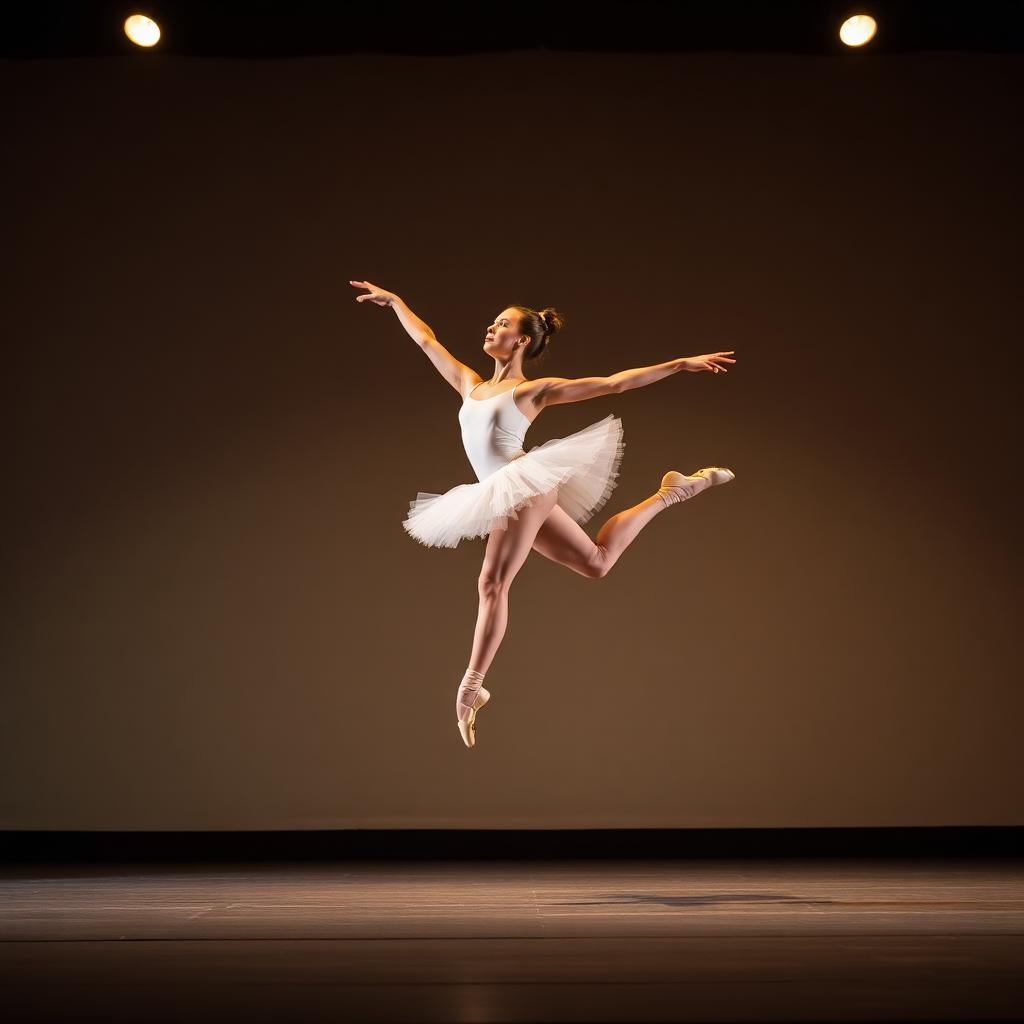
Manchester does not have a resident opera company, but it is a major stop for touring productions. The Palace Theatre is the traditional home for the English National Ballet, often hosting large-scale narrative works like Prokofiev's Romeo & Juliet.
A recent and radical addition to the skyline is Aviva Studios, the home of Factory International. This massive, flexible space is designed to host everything from immersive electronics to experimental dance and large-scale choral events. It represents Manchester’s move towards 'cross-genre' performances that don't always fit into a traditional proscenium-arch theatre.
Manchester's classical scene is defined by a lack of pretension; the audience is there for the music, not the social theatre, and the ticket prices reflect that.
Practicalities and Booking
One of the greatest joys of being a music lover in Manchester is the price point. While a top-tier seat at a major London hall might make you wince, Manchester is a "genuinely affordable habit."
- Pricing: In the Bravura diary, you will find tickets starting as low as £14, with a typical lowest price around £19 for major orchestral nights.
- Dress Code: There isn't one. You will see people in suits next to people in hoodies. As long as you aren't wearing a coat that rustles loudly during a quiet solo, nobody cares.
- Timing: Most evening concerts start at 7:30 PM. The Bridgewater Hall is a five-minute walk from Deansgate station or the St Peter’s Square tram stop.
How to plan your evening
If you are new to the city’s scene, we recommend starting with a Thursday or Sunday night at the Bridgewater Hall. The Hallé often plays the same programme twice, and the atmosphere on a Sunday afternoon is particularly relaxed.
For those who prefer something edgier, look for the BBC Philharmonic's mid-week slots. They often feature soloists of a staggering calibre who are in town specifically for a broadcast recording. If the programme looks unfamiliar, embrace it; the Manchester audience is famously appreciative of 'difficult' music, provided it is played with enough conviction.
What is on now
The Manchester calendar is consistently busy throughout the autumn and spring seasons. To see exactly which ensembles are performing this month, from the Hallé’s latest Beethoven cycle to touring productions from the English National Opera, consult the Bravura diary. You can filter by city or venue to find exactly what fits your schedule.
For more information on how to navigate concert halls if you are a first-timer, our general guides cover everything from when to clap to understanding the layout of a symphony orchestra.