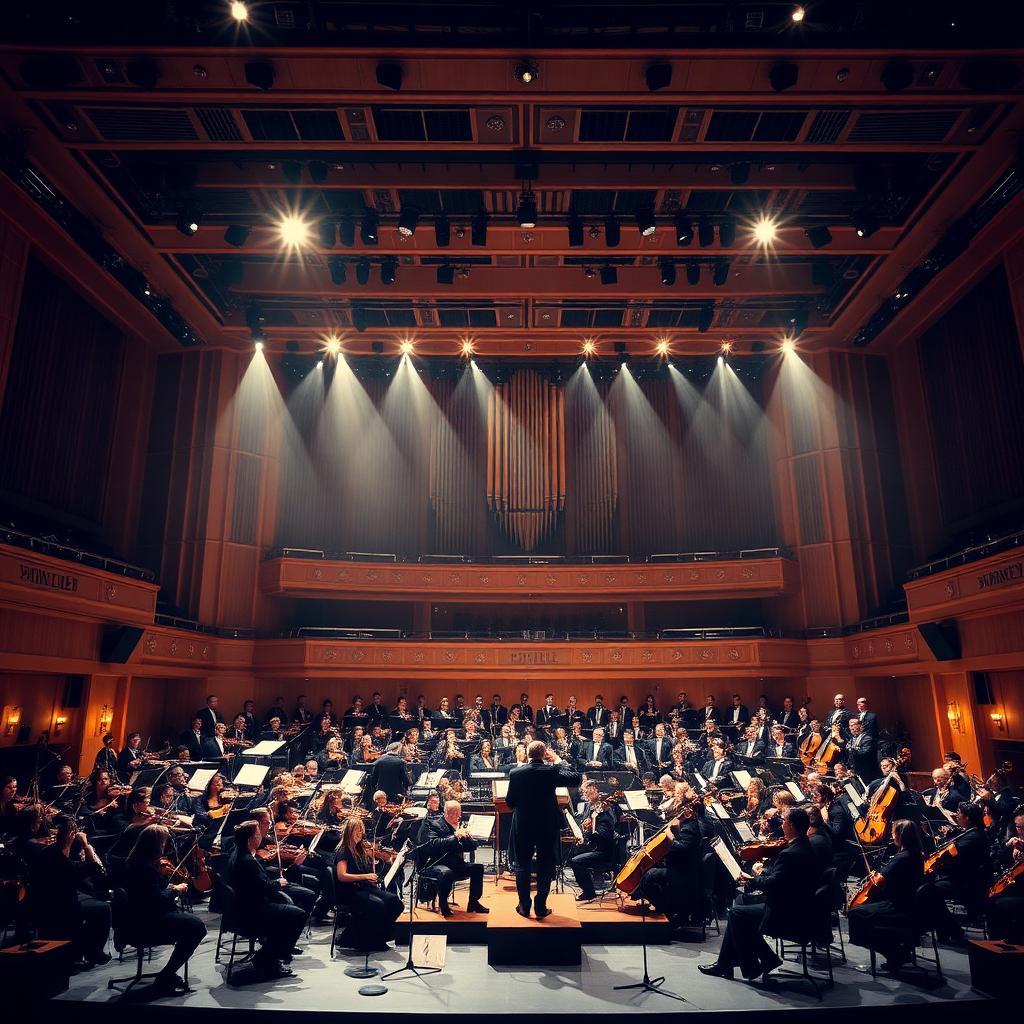
Classical music in Birmingham: Symphony Hall and the CBSO
One of Europe's best-sounding concert halls, and the orchestra that made it famous.
The Bravura editorial team
Published 2 September 2026 · Last reviewed 2 September 2026 · How we research and review
Birmingham’s reputation for heavy industry has long been balanced by a serious investment in high culture. In classical music circles, the city is synonymous with two things: the City of Birmingham Symphony Orchestra (CBSO) and Symphony Hall. The latter is frequently cited by touring conductors and soloists as the finest acoustic space in the United Kingdom, and arguably one of the top five in Europe.
For the visitor, Birmingham offers a surprisingly dense concentration of venues within walking distance of each other. Whether you are coming for a massive Mahler symphony or a late-night jazz-inflected chamber session, the city’s musical infrastructure is designed to make the sound the priority.
The Crown Jewel: Symphony Hall
Symphony Hall is the reason many people travel to Birmingham. Opened in 1991, its interior was modeled on the great "shoebox" halls of the 19th century, such as the Musikverein in Vienna, but with modern engineering. The walls are lined with massive concrete "reverberation chambers" behind wooden doors, which can be opened or closed to adjust the sound.
If you are new to orchestral music, this is the place to start. The clarity is such that even in the furthest seats, a solo violin sounds as if it is being played right in front of you. The hall is the primary home of the CBSO, but it also hosts visiting ensembles like the Philharmonia or the Royal Philharmonic Concert Orchestra.
"It is a hall where the silence is as important as the noise; the acoustic allows the softest notes to hang in the air without disappearing."
The CBSO and the ‘Birmingham Sound’
The City of Birmingham Symphony Orchestra is the city’s resident powerhouse. It gained international fame under Sir Simon Rattle in the 1980s and has since maintained a tradition of hiring young, visionary Chief Conductors who go on to become global stars.
The current era is led by Kazuki Yamada, a conductor known for a specific kind of physical energy and precision. Under his baton, the orchestra tackles the big, "blockbuster" repertoire — think Mahler’s Symphony No. 2 — with a distinct transparency.
For those who find a full two-hour concert daunting, the CBSO often programs "First Listen" events. These are shorter performances, such as a 25-minute Schubert symphony or a suite from Strauss’s Der Rosenkavalier, designed to get you in and out in under an hour. You can browse these and the full evening programmes in the Bravura diary.
Beyond the Main Stage: CBSO Centre and Town Hall
While Symphony Hall is built for scale, the CBSO Centre on Berkley Street is built for intimacy. This is the orchestra's rehearsal space and administrative home, but it also hosts "Centre Stage" concerts.
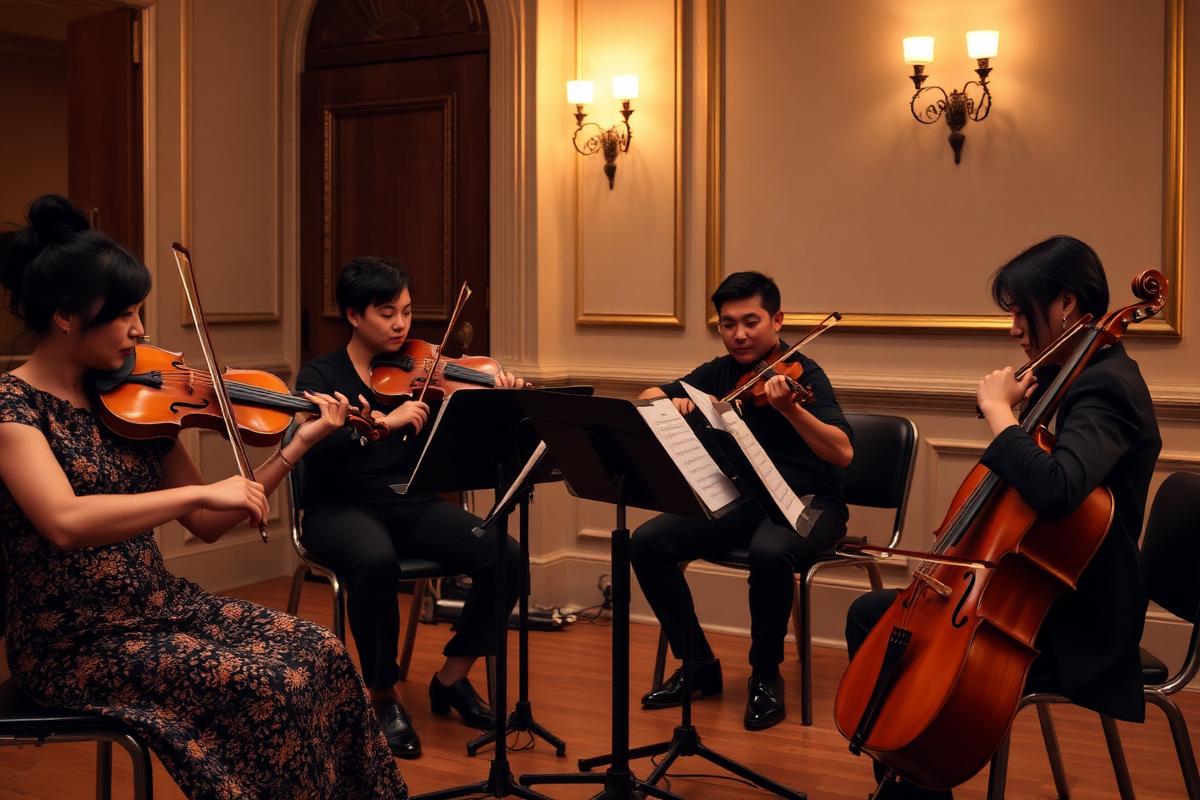
These are chamber music performances—small groups of musicians from the orchestra playing works like Schumann’s Piano Quintet or Beethoven’s Serenade. It is informal, the tickets are often cheaper (sometimes starting as low as £5 according to the Bravura diary), and you are close enough to see the sweat on the musicians' brows.
Nearby, the historic Town Hall provides a different atmosphere. A Grade I listed building inspired by the Temple of Castor and Pollux in Rome, it has a drier, punchier acoustic and a sense of Victorian grandeur. It often hosts recitals and smaller choral works that might get lost in the vastness of Symphony Hall.
Dance and Drama at the Hippodrome
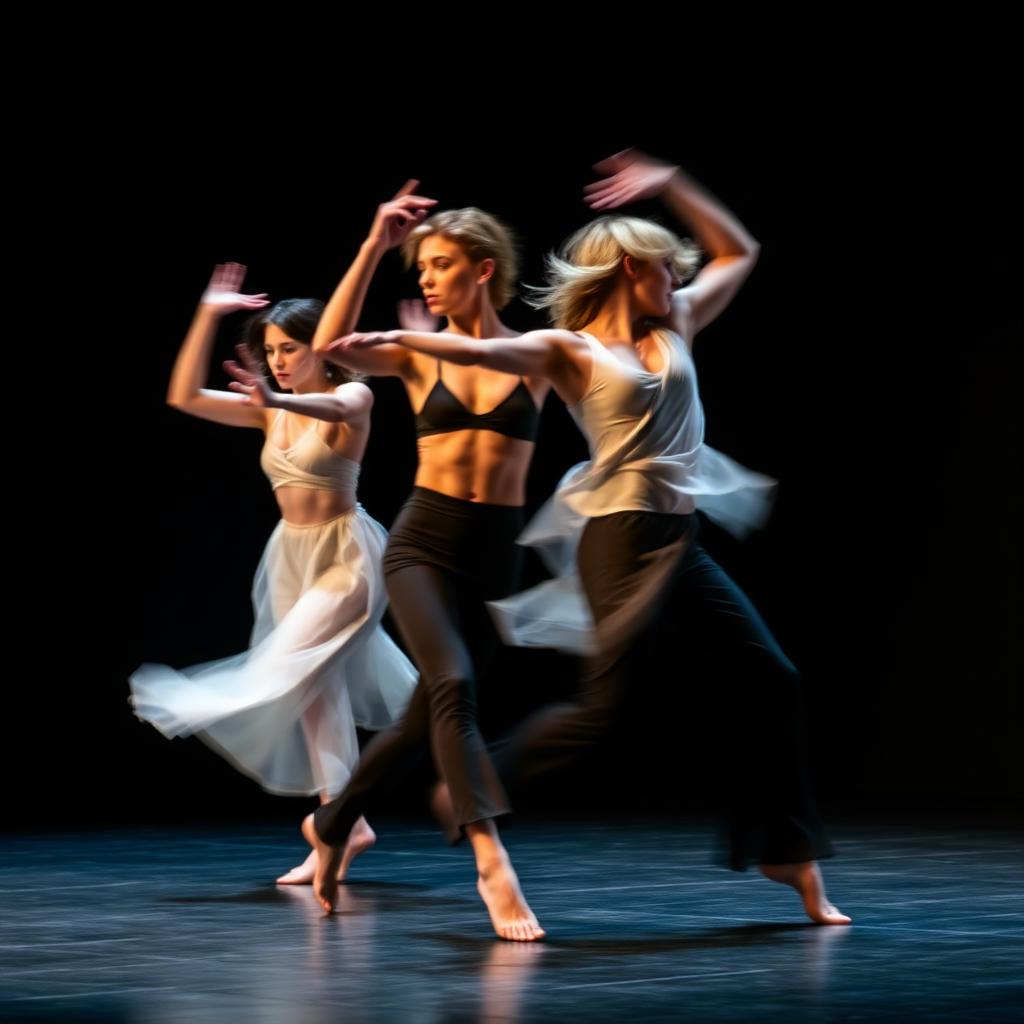
Birmingham is also the home of the Birmingham Royal Ballet (BRB), one of the UK's major touring companies. They perform primarily at the Birmingham Hippodrome, a large, plush theatre in the city’s Southside district.
The BRB’s seasons usually consist of week-long residencies. You might find a solid run of Tchaikovsky’s Swan Lake — often in the celebrated Peter Wright production — performed with the Royal Ballet Sinfonia in the pit. Because the Hippodrome is a theatre rather than a concert hall, the focus here is on the spectacle, the set design, and the athleticism of the dancers.
What to Hear First
If you are planning your first trip to Birmingham, look for these types of performances in our guides:
- The Big Romantic Symphony: Anything by Mahler, Elgar, or Rachmaninov at Symphony Hall. These works use the full power of the 100-piece orchestra and show off the hall’s "bloom."
- Midday and Afternoon Music: The CBSO frequently performs "Centre Stage" or "First Listen" sets at lunch or early evening, which are excellent for a low-pressure introduction.
- Eclectic Programming: Birmingham is good at mixing genres. Look for programmes where the CBSO explores the "Roaring Twenties," featuring jazz-classical crossovers by Ibert, Milhaud, or Walton.
- The Classics of Ballet: A BRB performance of Swan Lake or The Nutcracker at the Hippodrome is a city staple and usually features the full Tchaikovsky scores played live.
Practicalities: Booking and Prices
Birmingham is arguably more affordable for classical music than London. While a top-tier seat for a gala performance can be expensive, the typical lowest price for a professional concert sits around £28.
Booking is generally straightforward:
- Symphony Hall and Town Hall: Shared box office. You can choose your exact seat online. For the best sound, the "Circle" (the first elevated tier) is often preferred over the "Stalls" (the ground floor).
- CBSO Centre: Often unreserved seating. Arrive early if you want to be in the front row.
- The Hippodrome: Operates like a standard West End theatre. Sightlines are generally good, but the "Upper Circle" can feel quite high and steep.
Planning Your Evening
Most concerts in Birmingham start at 7:30 PM, though the "First Listen" series may start earlier. The area around Symphony Hall (Brindleyplace) is densely packed with restaurants, though they fill up quickly on concert nights.
If you are attending a performance at Symphony Hall, the building itself stays open late. The foyers are spacious, and there are bars on multiple levels. It is a very "user-friendly" hall; there is no dress code, and you will see everything from suits to jeans. The city’s central location means it is well-served by New Street Station, which is a ten-minute walk from the main concert venues.
To see what is currently bookable, including specific programmes and ticket links, visit the Bravura diary for Birmingham.