Mahler: how to survive — and love — your first symphony
Enormous, exhausting, overwhelming, and the most reliably transformative live experience in the repertoire.
The Bravura editorial team
Published 6 September 2026 · Last reviewed 6 September 2026 · How we research and review
The music of Gustav Mahler (1860–1911) is the ultimate test of both a modern orchestra’s mettle and a listener’s emotional stamina. If you have ever seen a film trailer that uses a massive, swelling wall of brass and strings to signal "profound cosmic significance," you have already heard the ghost of Mahler.
He was a busy man who spent his winters as a high-strung, world-class conductor in Vienna and New York, and his summers in the mountains composing symphonies. Because he only had those few summer months, he packed everything into them: folk songs, funeral marches, cowbells, bird calls, and his own existential crises. He famously told fellow composer Jean Sibelius that "the symphony must be like the world. It must embrace everything."
The Mahlerian Sound
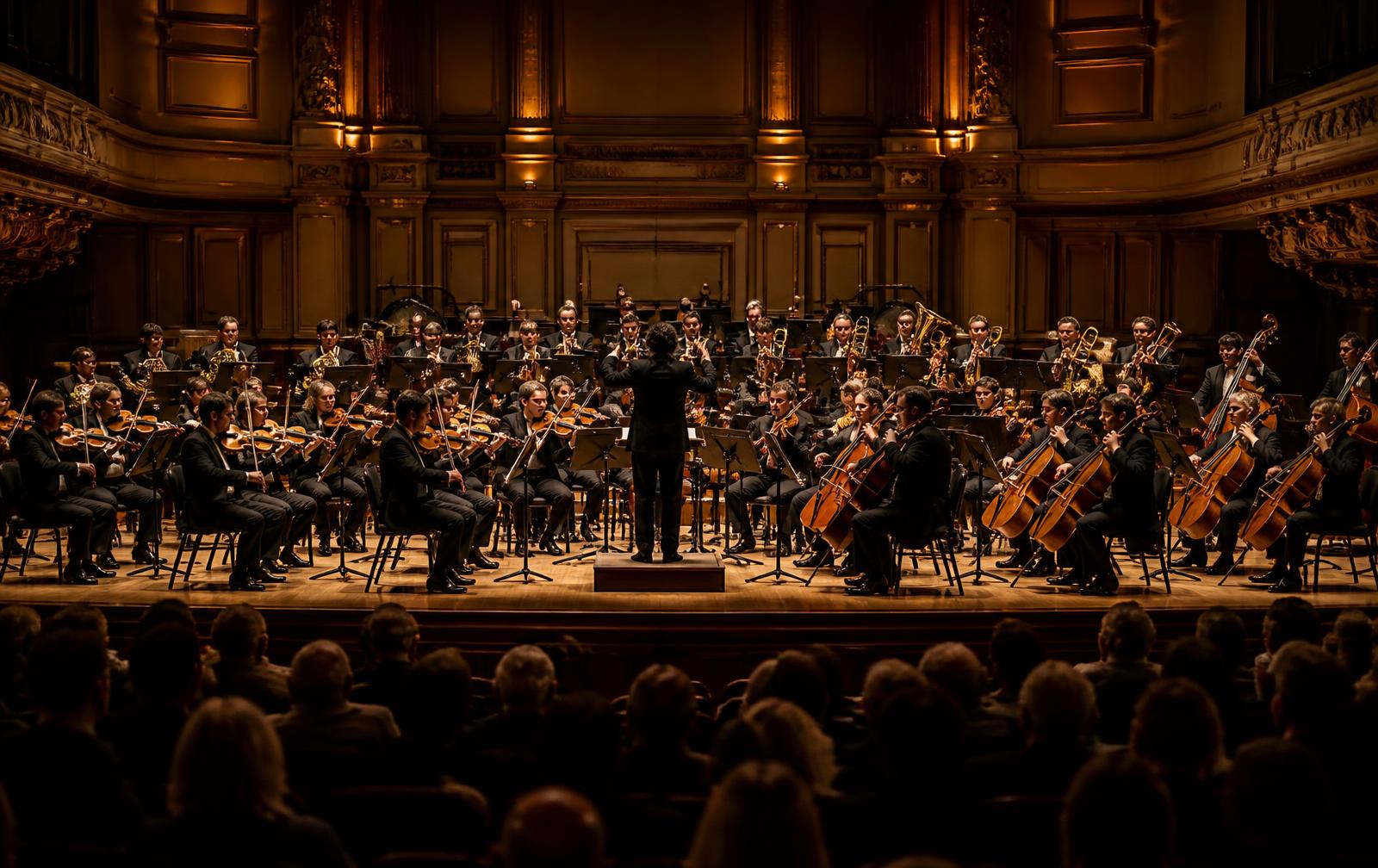
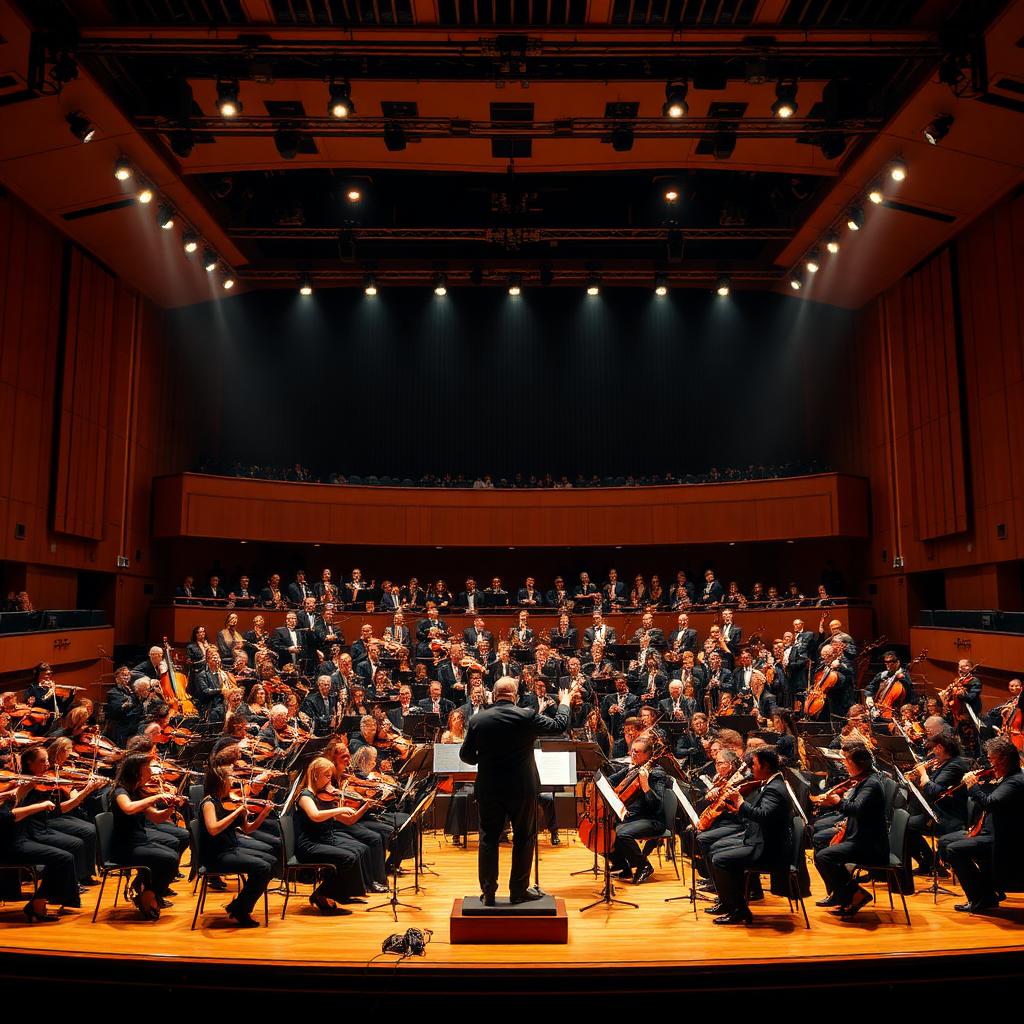
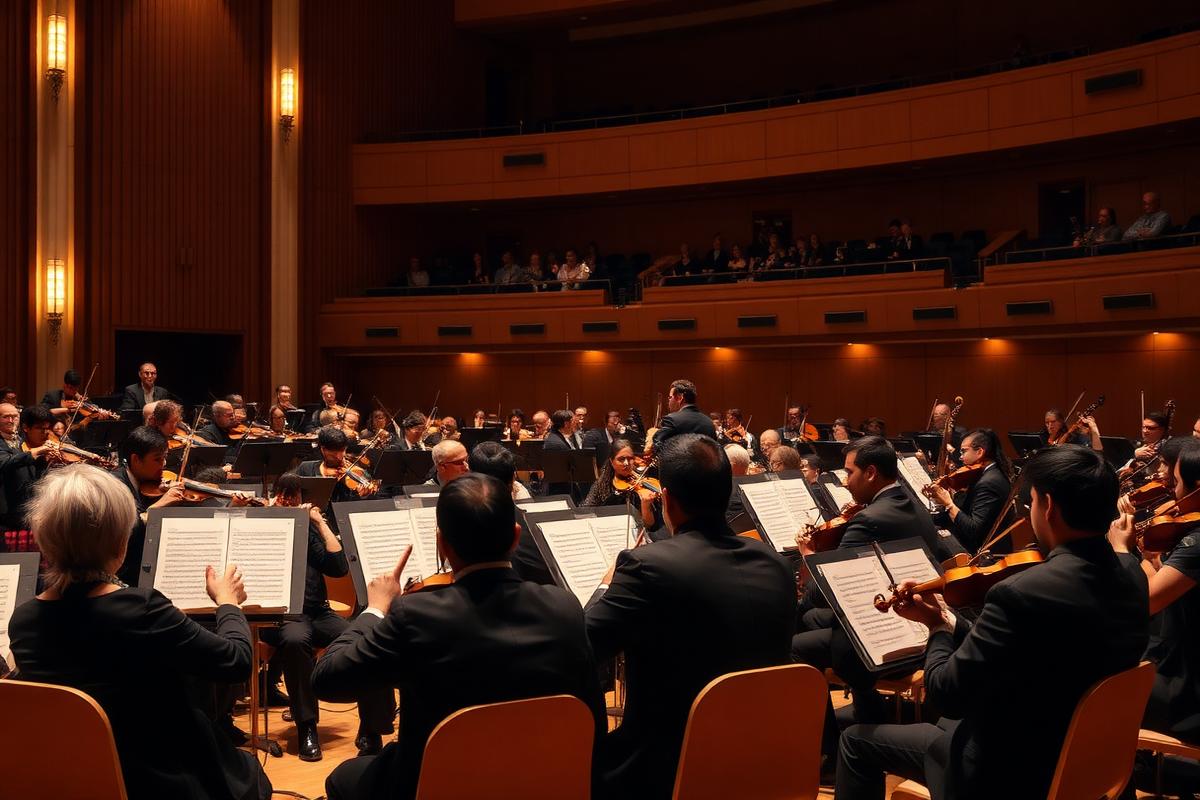
Hearing Mahler for the first time is often a shock because of the sheer scale. He expanded the orchestra to its absolute limit. While a standard Mozart symphony might use 40 players, a Mahler symphony often requires 100 or more.
However, he does not simply make a loud noise for an hour. His true skill was in orchestration — the art of choosing which instruments play together. You will hear moments of chamber-like delicacy, where perhaps only a solo violin and an oboe are playing, followed suddenly by a catastrophic roar from ten horns and a battery of percussion.
The "Mahler sound" is defined by a sense of irony. He often takes a simple, almost banal tune — like a nursery rhyme or a village dance — and twists it. He might give the melody to a high-pitched, screaming clarinet or a groaning double bass, making the cheerful sound creepy, sad, or grotesque. It is music that feels intensely human because it is never just one emotion at a time.
Where to Start
You do not need to listen to the symphonies in numerical order. In general, the later works are more "difficult" for the uninitiated.
- Symphony No. 1: Often called 'Titan'. It is the most accessible starting point. The third movement features a minor-key, ghostly version of 'Frère Jacques', and the finale is a thrilling battle between darkness and a triumphant brass chorale.
- Symphony No. 4: The "lightest" and shortest of the set. It is neoclassical, charming, and ends with a soprano singing a child's vision of heaven (where the wine is free and the bread is baked by angels). Look for the BBC Philharmonic performance in Manchester mentioned in the Bravura diary if you want a gentler introduction.
- Symphony No. 2, 'Resurrection': If you want the full, earth-shaking Mahler experience, this is it. It requires a massive choir and two vocal soloists. It begins with a funeral and ends with the literal end of the world and a promise of eternal life.
The Live Experience
Mahler is the composer who most justifies the price of a concert ticket. While his music is popular on record, no home speaker system can accurately replicate the physical pressure of a hundred musicians playing at full volume, nor the pin-drop silence of a lone flute in a 2,000-seat hall.
"A symphony must be like the world. It must embrace everything."
When you see a Mahler symphony live, you are watching an athletic event as much as a musical one. You will see off-stage trumpets playing from the corridors to create a sense of distance, percussionists hitting giant wooden crates with mallets (Symphony No. 6), and conductors who look like they are undergoing a religious exorcism.
Because these works are long — usually between 75 and 90 minutes — they often form the entire second half of a concert, or even the whole program without an interval. In the Bravura diary, you will notice the LSO and CBSO are performing the 'Resurrection' Symphony as a standalone event. This is standard; you do not need an opening act when the main event is this gargantuan.
Navigating the Diary
The UK is currently a very good place to be a Mahler fan. Our major orchestras, particularly the BBC Scottish Symphony Orchestra, the RSNO, and the Philharmonia, program his works frequently because they are guaranteed "event" concerts.
If you are looking at the Bravura diary, you will see a range of entry points. Prices vary significantly by venue, but you can often find tickets for as little as £5 or £16, particularly for the BBC orchestras.
What to hear first
If you see Symphony No. 1 or Symphony No. 4 on the schedule, book them. They are shorter and provide a clear map of how Mahler works. The London Philharmonic Orchestra is performing the First Symphony soon; this is a perfect "first date" with the composer.
What to save for later
Symphony No. 7 and Symphony No. 10 are for the converted. The Seventh (scheduled with the BBC Symphony Orchestra at the Barbican) is strange, nocturnal, and famously difficult to "solve." The Tenth was left unfinished at Mahler's death and is usually performed in a "performing version" completed by musicologists. It is hauntingly beautiful but carries a heavy emotional weight that is better appreciated once you know his earlier language.
Practicalities for the First-Timer
- Check the length: Mahler symphonies are marathons. There is rarely an interval during the symphony itself. If the program lists a Rachmaninov concerto followed by Mahler’s 6th (as the RSNO is doing in Glasgow), use the interval wisely.
- Don't clap between movements: Mahler often builds a specific atmosphere that lasts through the silence between sections. Wait for the conductor to drop their arms entirely and turn around before you start.
- The "Mahler Hammer": If you go to see Symphony No. 6 (look for the Philharmonia dates in Gateshead or Birmingham), watch the percussion section. They will have a giant wooden mallet and a large wooden block. These "hammer blows" are some of the most famous moments in orchestral music, intended to represent the strokes of fate.
Why it Matters
In an age of digital distraction, Mahler demands — and rewards — sustained attention. His music doesn't just provide a background hum; it demands that you go on a journey with it. You might find parts of it confusing or even ugly, but by the time the final chord rings out, you will likely feel as though you have survived something significant.
For a full list of upcoming performances and to find a symphony near you, visit the Bravura diary. You can also find more detailed entries on orchestral etiquette and how to read a program in our guides section.