Beethoven: the nine symphonies and everything around them
The composer every orchestra returns to. What to hear first, and why the late works are worth the wait.
The Bravura editorial team
Published 4 September 2026 · Last reviewed 4 September 2026 · How we research and review
Ludwig van Beethoven is the gravity at the centre of the classical music solar system. Even if you have never stepped foot inside a concert hall, you likely know the four-note opening of the Fifth Symphony or the melody of the 'Ode to Joy'. However, his ubiquity can sometimes mask how radical and, at times, difficult his music was intended to be.
We tend to think of him as a bridge. On one side is the refinement and poise of the 18th century (Mozart and Haydn); on the other is the emotional sprawl and ego of the 19th-century Romantics. In the Bravura diary, he is comfortably the most programmed composer, with nearly 70 upcoming performances ranging from intimate chamber music to the massive scale of his Ninth Symphony.
The sound of a revolution
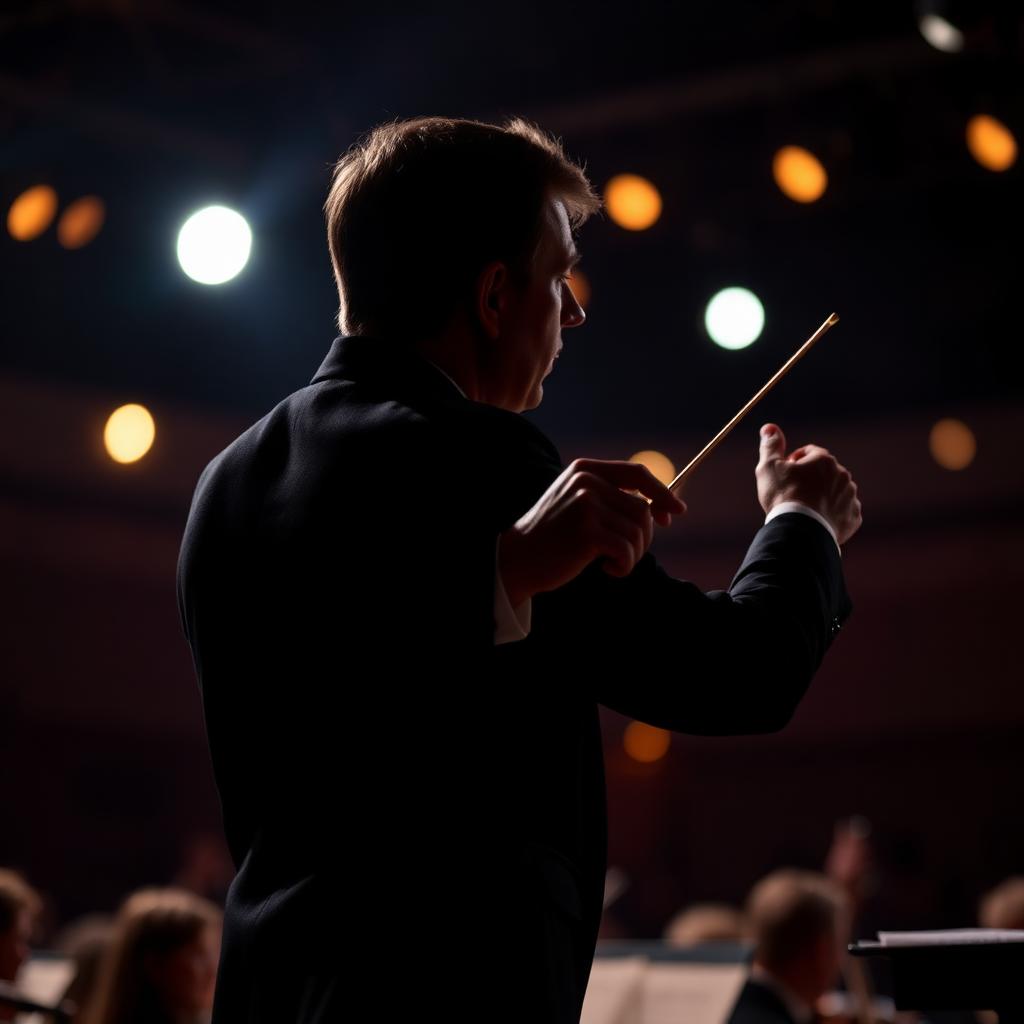
If Mozart’s music often feels like a conversation between witty friends, Beethoven’s music feels like an argument with the universe. It is music of tension and release. He took the established forms of his day — the symphony, the sonata, the string quartet — and stretched them until they nearly broke.
The most recognisable trait of his style is the use of 'motifs' — tiny musical fragments that he repeats, turns upside down, and hammers home until they become an obsession. There is often a sense of struggle in the writing, mirroring his own biography: his increasing deafness, his social isolation, and his volatile political beliefs.
When you hear Beethoven live, you are hearing the sound of a man who stopped trying to please the aristocracy and started writing for posterity. It can be exhilarating, loud, and occasionally quite stubborn.
What to hear first
If you are looking for an entry point, the symphonies and concertos are the most direct route. They were written for public impact and still deliver it.
- Symphony No. 5: The 'da-da-da-dum' opening is just the start. The work is a masterclass in momentum, moving from a claustrophobic C minor to a triumphant C major finale.
- Piano Concerto No. 5 ('Emperor'): This is Beethoven at his most heroic and expansive. It is a work of great scale and virtuosity, often paired in the concert hall with other major Romantic works.
- Symphony No. 6 ('Pastoral'): A rare moment of calm. It is a 'programmatic' work, meaning it depicts a scene — in this case, the countryside, complete with birdcalls and a passing thunderstorm.
- Violin Concerto in D major: This piece starts with five quiet taps on the timpani. It is famously lyrical and expansive, requiring a soloist who can balance technical fire with a singing tone.
The Nine Symphonies
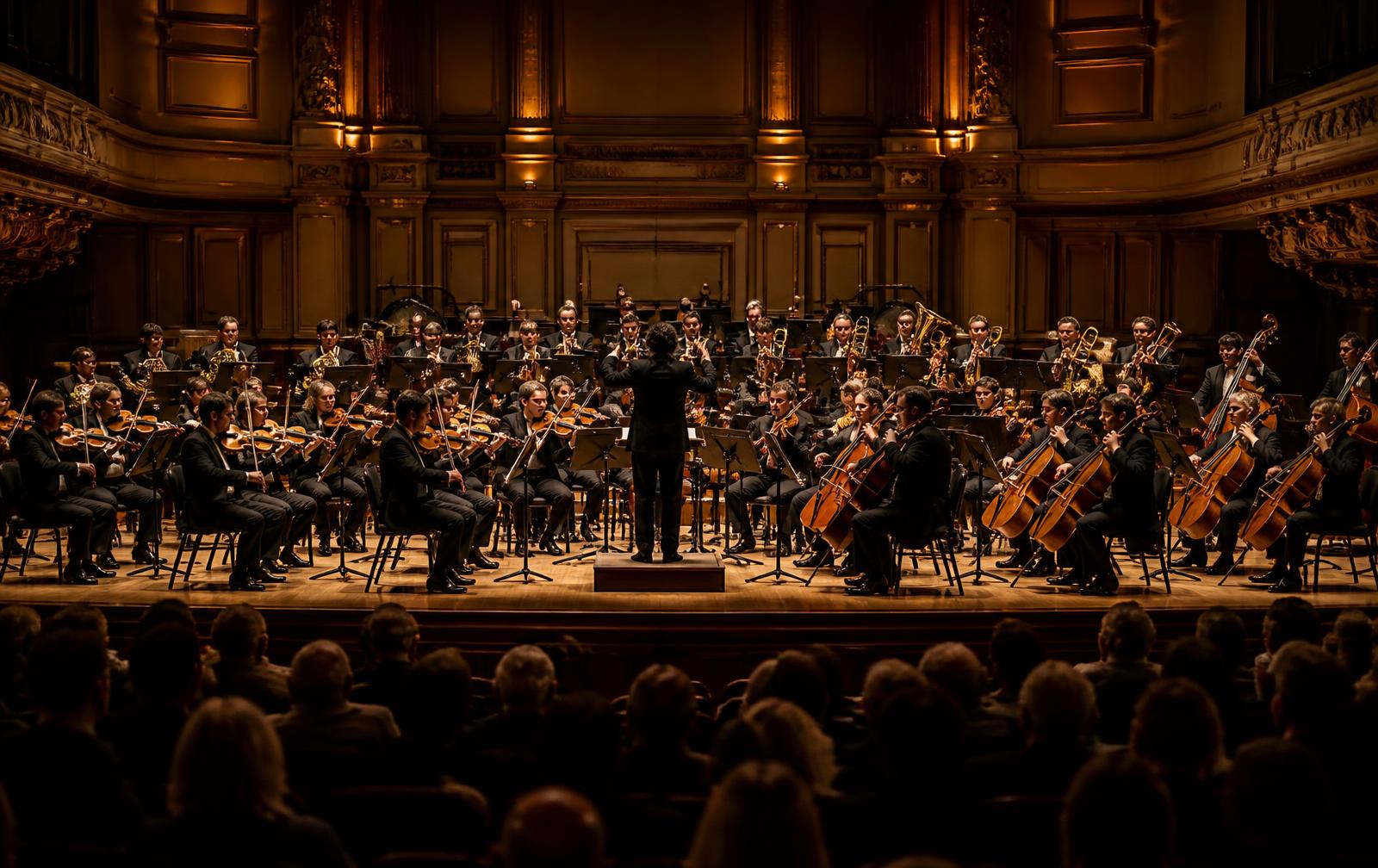
The 'Nine' are the backbone of the orchestral repertoire. Orchestras like the London Philharmonic Orchestra and the Royal Liverpool Philharmonic Orchestra return to these works constantly because they offer an infinite variety of interpretation.
The odd-numbered symphonies (3, 5, 7, 9) tend to be the giants. The Third ('Eroica') changed the symphony forever by doubling its length and complexity. The Seventh is famous for its relentless rhythm — Wagner called it the "apotheosis of the dance."
The even-numbered symphonies (2, 4, 6, 8) are often more compact and playful, though no less sophisticated. The Fourth, for instance, is a lean, witty masterpiece that provides a perfect foil to the heavier works in a programme.
The 'Late' Works: A different world
There is a subset of Beethoven’s output that even seasoned concertgoers approach with a degree of reverence: the late works. As his hearing failed entirely, his music became more internal, strange, and forward-looking.
"His late string quartets were once considered the work of a madman; today, they are regarded as the highest peak of Western chamber music."
If you see a performance of the Grosse Fuge or the late piano sonatas, be prepared for music that doesn't always try to be 'pretty'. It can be dissonant and fragmented. These works are worth the wait, but they benefit from a bit of familiarity with his earlier, more structured style.
The Ninth: A civic event
The Ninth Symphony ('Choral') sits in a category of its own. It was the first major symphony to use a choir and solo singers, set to Friedrich Schiller’s poem An die Freude (Ode to Joy).
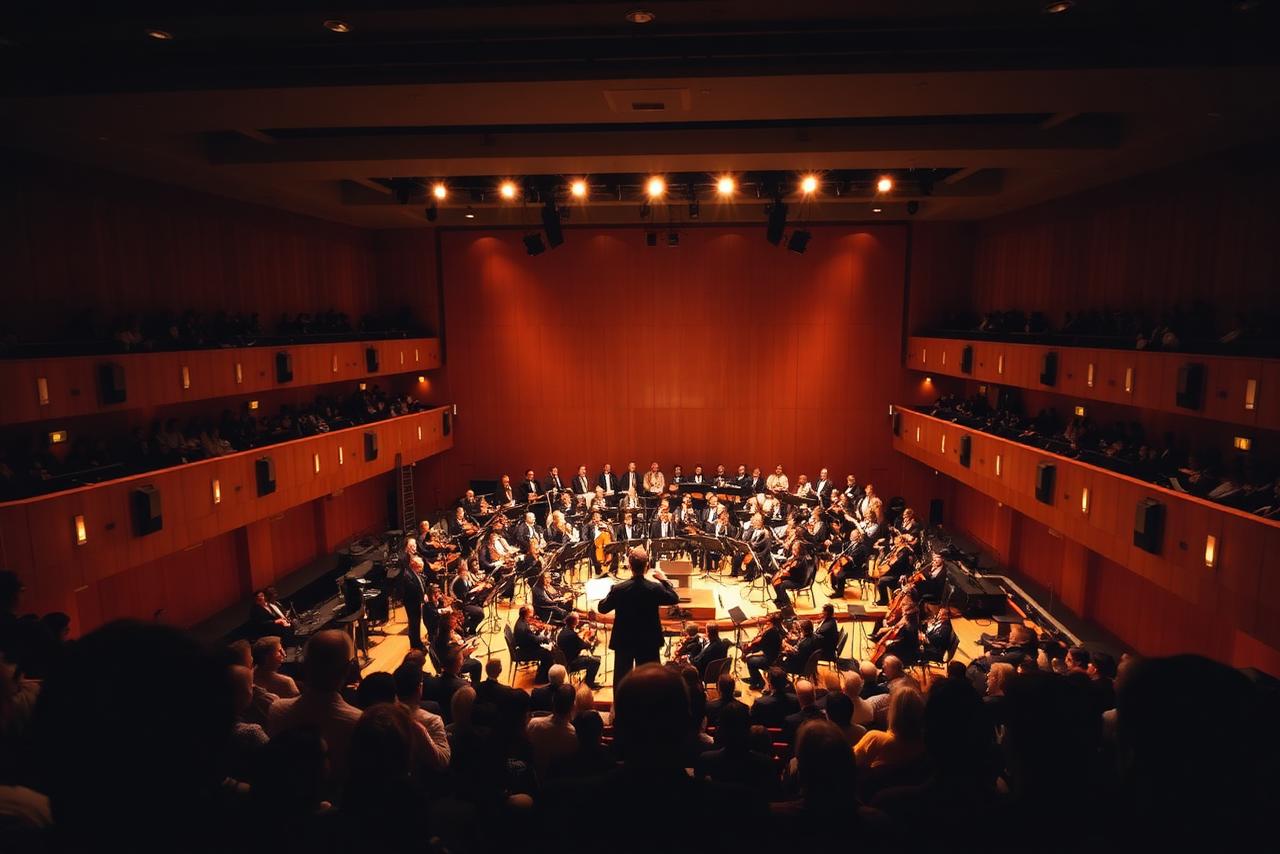
Because of the forces required — a full orchestra, a large chorus, and four soloists — it is usually programmed as a standalone event or the climax of a festival. It is a physical experience; when the choir stands up for the final movement, the sheer volume of sound in a space like the Royal Albert Hall or Ulster Hall is something no recording can replicate.
Beethoven in the concert hall
Listening to Beethoven at home is fine, but his music was designed for the physical acoustic of a hall. He was one of the first composers to truly exploit the 'extremes' of the orchestra — the contrast between a single flute and the full weight of the brass and strings.
- Dynamics: Beethoven is the king of the subito piano — a sudden drop from very loud to very quiet. In a live setting, these 'surprises' have a physical impact that keeps you on the edge of your seat.
- Orchestral Scale: While some ensembles use period instruments (gut strings, natural horns) to recreate a leaner 19th-century sound, many of the UK’s major orchestras, such as the Philharmonia or the City of Birmingham Symphony Orchestra, use modern instruments for a richer, more powerful sound. Both approaches are valid.
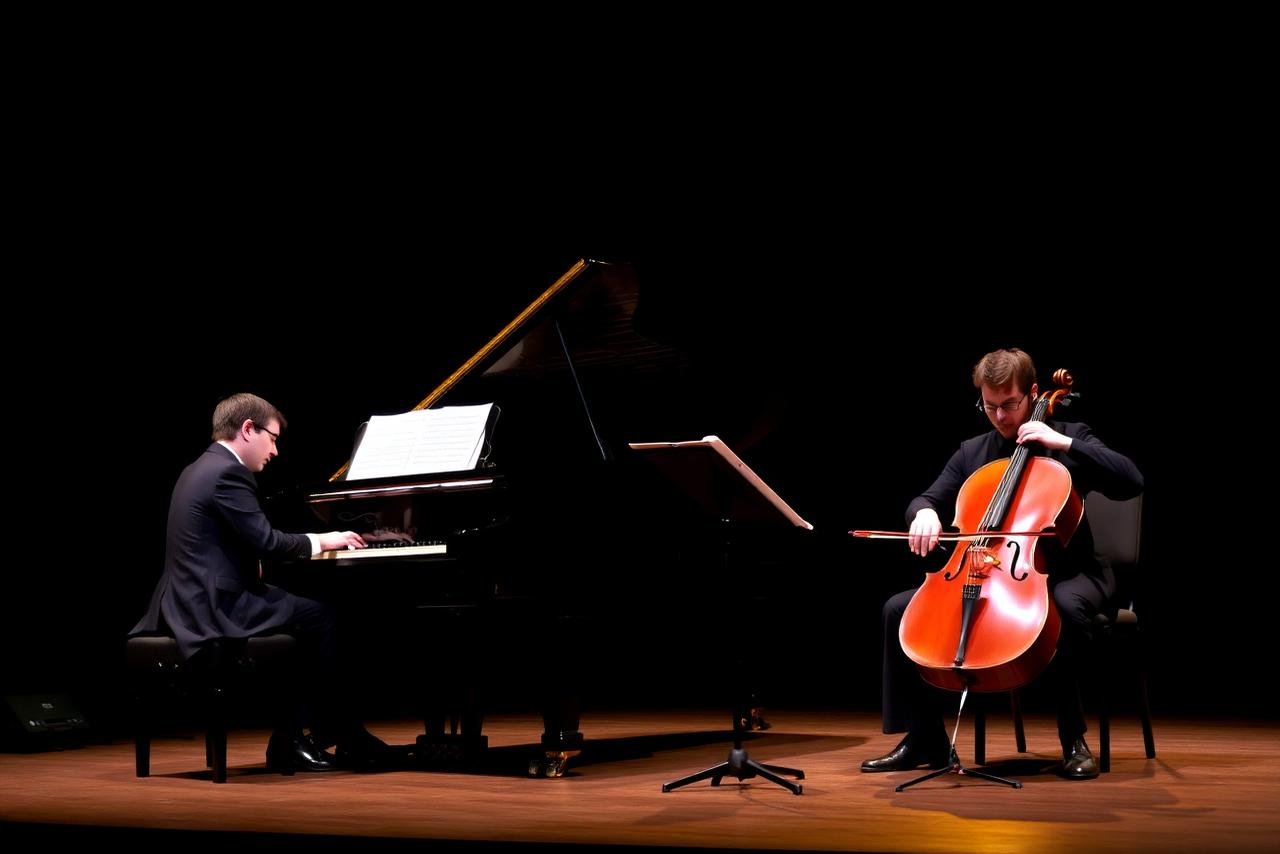
- The Triple Concerto: Keep an eye out for this curiosity. It features a trio of soloists (piano, violin, and cello). It is less frequently performed than the symphonies but offers a wonderful, democratic interplay between the three soloists and the orchestra.
Practicalities and Booking
Beethoven is a staple for a reason: his music wears well. You can hear the Fifth Symphony ten times and find something new in the eleventh.
In the UK, you can find tickets for as little as £6, though a typical entry-level price is closer to £18. Major venues like Liverpool Philharmonic Hall and the Symphony Hall, Birmingham have excellent acoustics specifically suited to the scale of his orchestral works.
- To see where the symphonies are being played this season, visit /calendar.
- For more deep dives into the forms Beethoven mastered, see our other /guides.
- To understand how we select the performances we list, read our /editorial-policy.
The Bravura diary currently lists dozens of opportunities to hear these works live, from the major London houses to regional cathedrals and concert halls across Scotland and Wales. Whether it is a solo piano recital or a full-scale choral symphony, there is rarely a week where Beethoven is not being celebrated somewhere in the country.