Tchaikovsky: the ballets, the symphonies and the concertos
The most familiar music in the repertoire, and far stranger and sadder than its reputation suggests.
The Bravura editorial team
Published 6 September 2026 · Last reviewed 6 September 2026 · How we research and review
Pyotr Ilyich Tchaikovsky is the most performed composer in the history of the concert hall, yet he remains one of the most misunderstood. His music provides the soundtrack to the holiday season and the foundation of the classical dance repertoire, but beneath the glittering surface of his ballets lies a body of work defined by an astonishing level of emotional exposure.
For a new listener, Tchaikovsky is the ultimate "gateway" composer. He wrote melodies that seem as though they have always existed, and he used the orchestra with a vividness that few have matched since. However, we should be careful not to mistake his popularity for simplicity. His music is frequently high-strung, obsessively structured, and haunted by a sense of impending disaster.
The Man and the Myth
Tchaikovsky’s life (1840–1893) is often framed as a Victorian tragedy. A sensitive, highly disciplined man who struggled with his sexuality in the repressive atmosphere of Tsarist Russia, he frequently sought refuge in his work. He was not, as some older biographies suggest, a man constantly on the verge of a breakdown; he was a prolific professional who toured internationally and enjoyed significant success during his lifetime.
However, a "Fate" motif — a recurring, aggressive musical theme representing an unstoppable external force — runs through his major symphonies. His death, just days after the premiere of his bleakest work, the Symphony No. 6, remains a subject of intense debate among historians, though most now accept cholera as the cause. When you listen to his music, you are hearing a man who felt everything at maximum volume.
What the Music Sounds Like
If you are new to the concert hall, Tchaikovsky’s sound is instantly recognisable. We find it helpful to look for three specific traits:
- The Big Tune: Tchaikovsky was a master of the "long-breathed" melody. Unlike Beethoven, who built masterpieces out of tiny rhythmic fragments, Tchaikovsky gives you full, singing themes that build to enormous, heart-on-sleeve climaxes.
- The Dance Impulse: Even in his serious symphonies, there is often a waltz or a march hidden nearby. He brought the elegance of the ballroom into the concert hall, giving his music a physical, rhythmic propulsion.
- Brilliant Orchestration: He knew how to make an orchestra glitter. Whether it is the crystalline sound of the celesta in The Nutcracker or the terrifying roar of the brass in the symphonies, the "colours" of his music are never muddy.
Four Works to Hear First
If you are looking at /calendar and wondering where to start, these four works represent the different sides of his personality.
The Nutcracker / Swan Lake
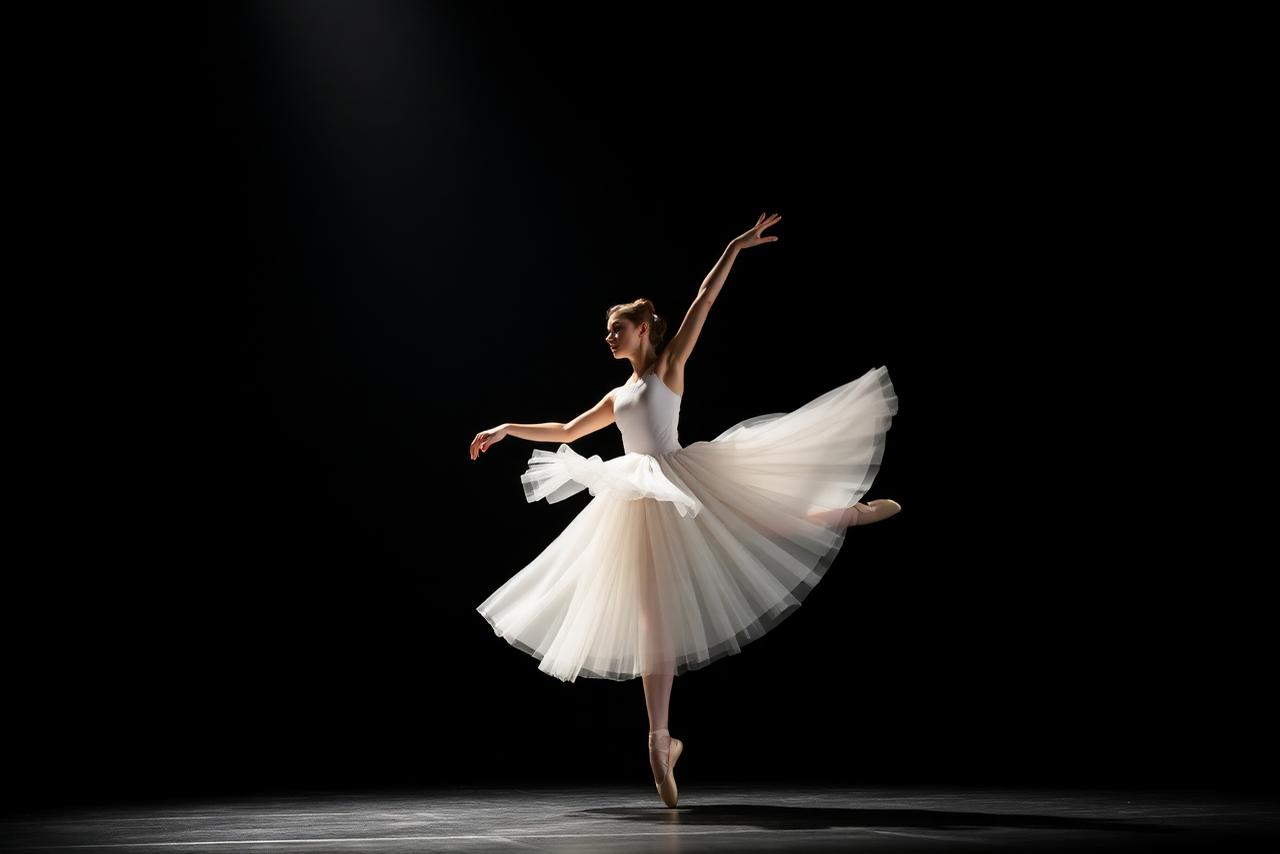
It is impossible to separate Tchaikovsky from the ballet. Swan Lake is currently a staple of the UK touring circuit, with major runs by Birmingham Royal Ballet and English National Ballet. While the stories are aimed at families, the scores are sophisticated. Tchaikovsky elevated ballet music from mere background noise to a symphonic art form. The "Swan Theme" is perhaps the most perfect example of his ability to blend beauty with a sense of mourning.
Symphony No. 4
If you want to understand the "Fate" element of his work, this is the place to start. It opens with a terrifying brass fanfare that Tchaikovsky himself described as the "sword of Damocles." It is a high-octane, dramatic work that ends in a frenzy of orchestral fireworks. Look for performances by major ensembles like the London Philharmonic Orchestra or the Berlin Philharmonic at the Royal Albert Hall.
Romeo and Juliet Fantasy Overture
This is not a long symphony but a twenty-minute "symphonic poem." It contains arguably the most famous love theme in history, but it also features violent, dissonant music representing the feud between the Capulets and Montagues. It is a perfect distillation of his style: violent, tender, and tragic.
Piano Concerto No. 1
The opening bars — huge, crashing chords on the piano against a soaring melody in the strings — are iconic. It is a battle between soloist and orchestra, demanding immense physical stamina from the pianist. It remains the quintessential Romantic concerto.
What to Save for Later
While Tchaikovsky is generally accessible, some of his works require a bit more patience or a familiarity with his darker moods.
- Symphony No. 6 (Pathétique): This is his masterpiece, but it is not a "feel-good" evening. It ends not with a bang, but with a slow, fading heartbeat in the low strings. It is profoundly moving but can be draining for a first-time concertgoer.
- The String Quartets: Tchaikovsky’s chamber music is excellent, but it lacks the technicolour brilliance of his orchestral writing. Save these for when you have fallen in love with his larger sound and want to hear his more intimate, private voice. You might see his Souvenir de Florence programmed by groups like the Strings of the Orchestra of Opera North; this is a more energetic, sunny exception to the rule.
The Live Experience
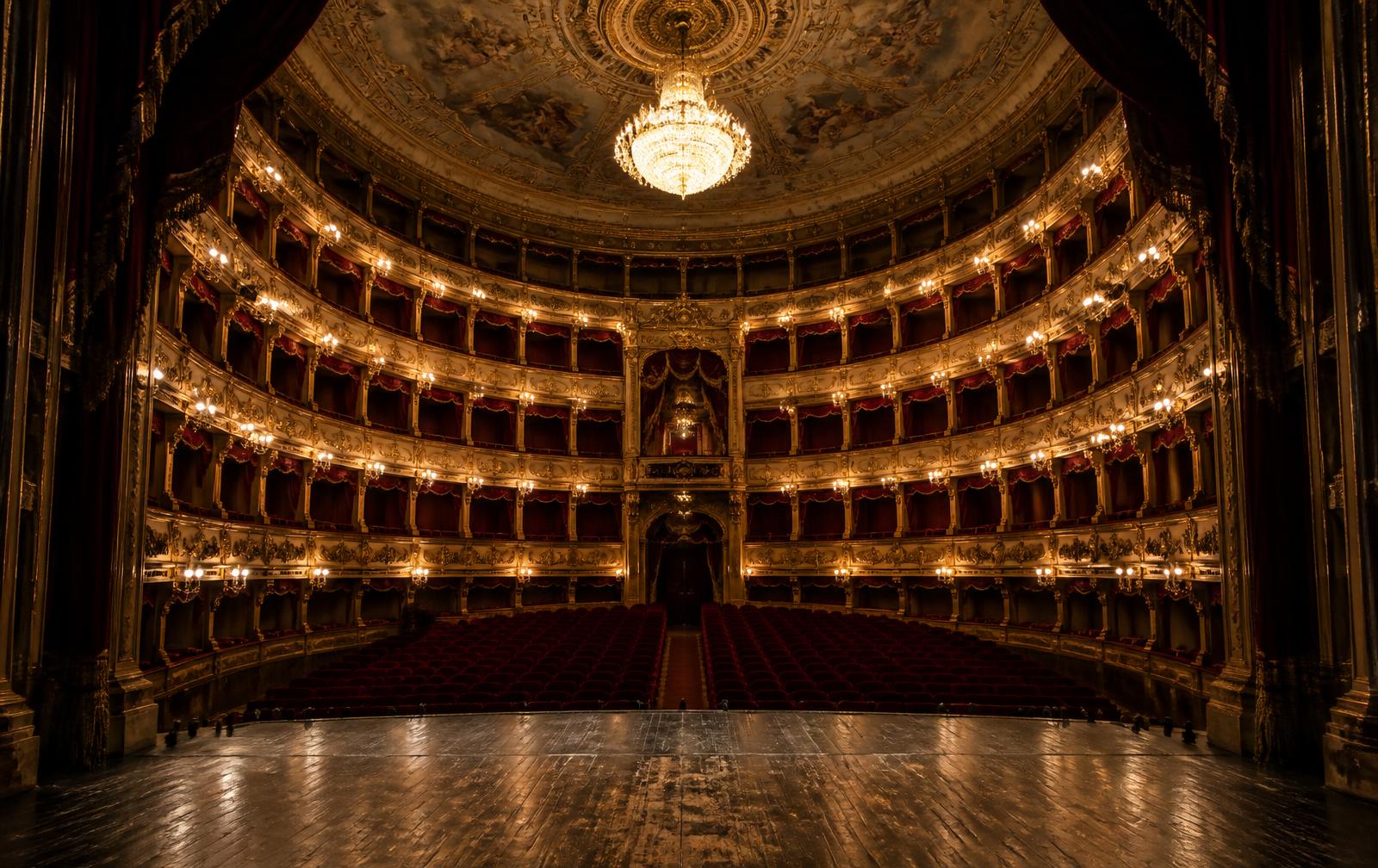
There is a specific thrill to hearing Tchaikovsky live that a recording cannot replicate. His music relies on extremes of volume. The "typical" Tchaikovsky climax involves the entire brass section playing at full tilt, which, in a hall like Symphony Hall, Birmingham or the Royal Festival Hall, creates a physical vibration you can feel in your chest.
"Tchaikovsky’s music doesn't just ask for your attention; it demands your emotional complicity. You don't just listen to the Fourth Symphony; you survive it."
Conversely, his quiet moments are incredibly delicate. In a large venue, the silence following a solo woodwind passage can be breath-taking. Because he is so popular, you will find his work performed everywhere from grand cathedrals like Ripon Cathedral to regional town halls. Each venue changes the character of the music: a cathedral adds a ghostly resonance to his choral and string works, while a modern concert hall brings out the surgical precision of his orchestration.
Practicalities: Tickets and Timing
Because Tchaikovsky is a "big box office" composer, performances often sell out faster than those of contemporary or more niche composers.
- Prices: You can often find tickets for as little as £6.60 for certain student or restricted view schemes, but a typical starting price for a professional orchestral concert is closer to £19.
- Duration: A Tchaikovsky symphony usually lasts between 40 and 50 minutes. If you are seeing a full ballet like Swan Lake, expect a three-hour evening including intervals.
- Clapping: In his Symphony No. 6, there is a very loud third movement that sounds like an ending. Audiences almost always clap here. Don't worry if you do too; even the most seasoned concertgoers get caught out.
Where to find Tchaikovsky
With over 120 upcoming performances across the UK, there is no shortage of opportunities to hear this music. Whether it is a major residency by the Birmingham Royal Ballet at the Birmingham Hippodrome or a touring production by Northern Ballet, the dance works are widely available.
For the orchestral music, keep an eye on the programming for the Philharmonia Orchestra and the BBC National Orchestra of Wales, who frequently pair Tchaikovsky with other Romantic heavyweights. To see what is playing near you, from Leeds to Belfast, consult the /calendar for the most up-to-date listings and booking links. For more introductory essays on the giants of the repertoire, visit our /guides page.