Mozart: where to start, and what to hear live
Six hundred works, an unfair number of them perfect. A route in, and what changes when you hear them in a hall.
The Bravura editorial team
Published 4 September 2026 · Last reviewed 4 September 2026 · How we research and review
Wolfgang Amadeus Mozart occupies a strange position in our culture. He is simultaneously the face of "relaxing" background music and the composer most likely to make professional musicians sweat with anxiety. To the casual listener, his music sounds like sunlight and order; to the performer, it is a high-wire act where the slightest wobble in phrasing or intonation is visible to everyone in the hall.
Born in Salzburg in 1756 and dead by 35 in Vienna, Mozart’s life is often framed as a tragic trajectory of a "child prodigy" who never quite fit into the adult world. This is largely a myth. While he was indeed a touring sensation at age six, adult Mozart was a shrewd, hard-working freelancer, a billiard-playing socialite, and a sophisticated dramatist who revolutionised every genre he touched.
The Sound: Clarity and Subversion
If you are new to the concert hall, Mozart is the most reliable entry point. His music is defined by clarity. You can usually hear exactly what is happening: a clear melody, a transparent accompaniment, and a structure that feels symmetrical and "right."
However, the reason we still play him 250 years later is that this perfection is a front. Beneath the elegance, Mozart is the master of the "wrong" note that feels perfectly placed. He is rarely just happy; his major keys often have a touch of longing, and his minor keys (which he used sparingly) are devastating.
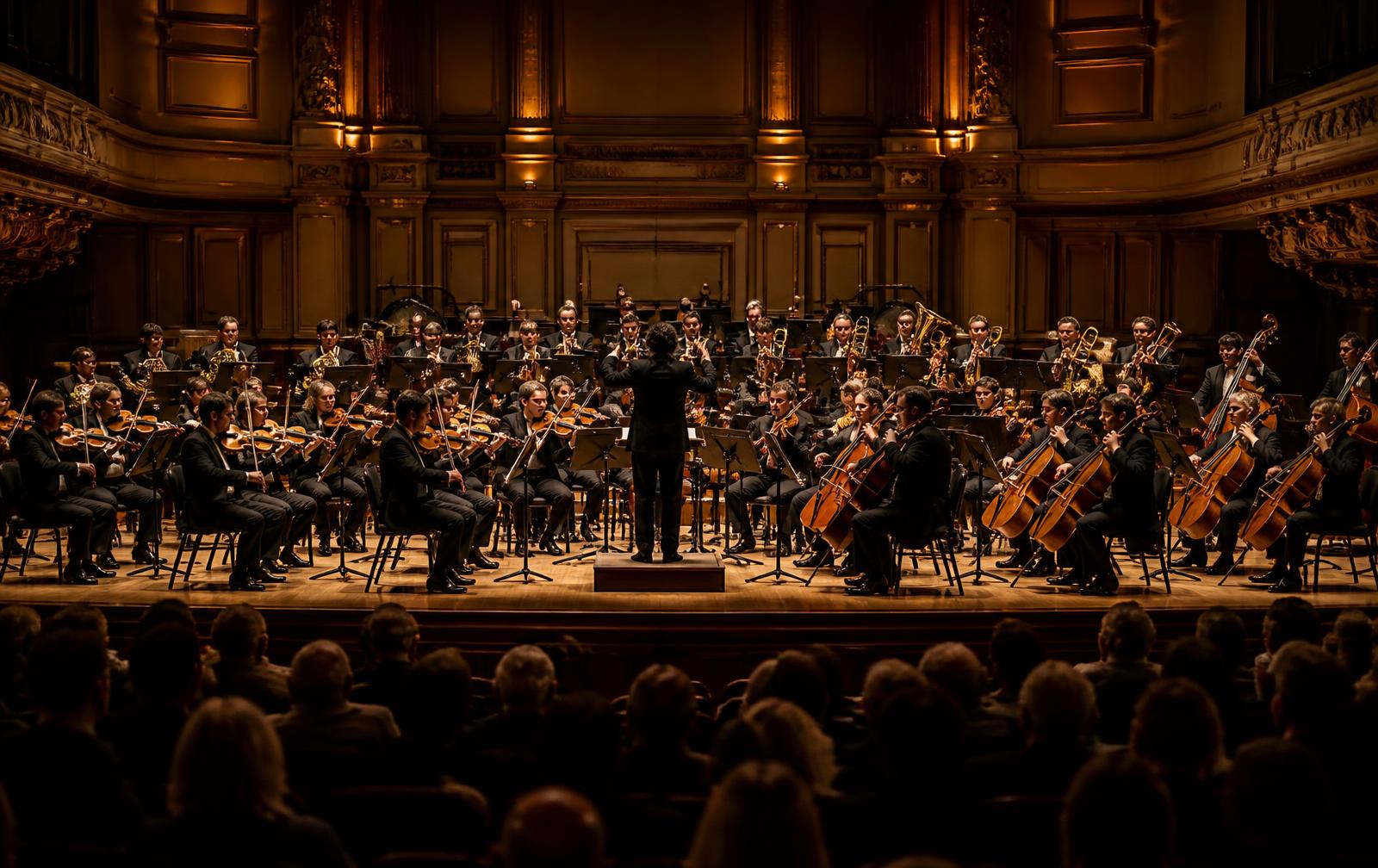
In a live setting, Mozart requires a smaller orchestra than the thunderous works of Mahler or Wagner. This creates an intimacy that suits venues like Ayr Town Hall or Milton Court Concert Hall. You aren't being blown back into your seat by volume; you are being invited into a conversation.
What to Hear First
With over 600 works in the catalogue, the "K" numbers you see on programmes (named after Ludwig von Köchel, who chronologically catalogued the music) can be daunting. Start with these pillars of the repertoire.
- Clarinet Concerto in A major, K. 622: One of his final completed works. It is the definition of "autumnal"—mellow, soulful, and incredibly beautiful. It features frequently in the Bravura diary, with upcoming performances by the Royal Philharmonic Orchestra in Guildford and Reading.
- Symphony No. 41, 'Jupiter': Mozart’s final symphony. It is a massive, complex achievement that ends with a finale where five different melodies are played at the same time. You can hear it conducted by Vasily Petrenko at Cadogan Hall.
- Piano Concerto No. 20 in D minor: If you think Mozart is all tinkling tea parties, listen to this. It is stormy, dark, and nervous. It influenced Beethoven immensely and remains a litmus test for great pianists.
- Serenade No. 13, 'Eine kleine Nachtmusik': You will know the tune within three seconds. Hearing it live, played by an ensemble like the BBC Scottish Symphony Orchestra, reminds you that it isn't a ringtone; it is a perfectly constructed piece of chamber music.
The Magic of the Mozart Opera
Mozart’s true heart was in the theatre. Even when he was writing a symphony or a sonata, he was thinking like a playwright. His operas — particularly The Marriage of Figaro, Don Giovanni, and The Magic Flute — replaced the stiff, formal "statues" of older opera with real people who argue, lie, and forgive.
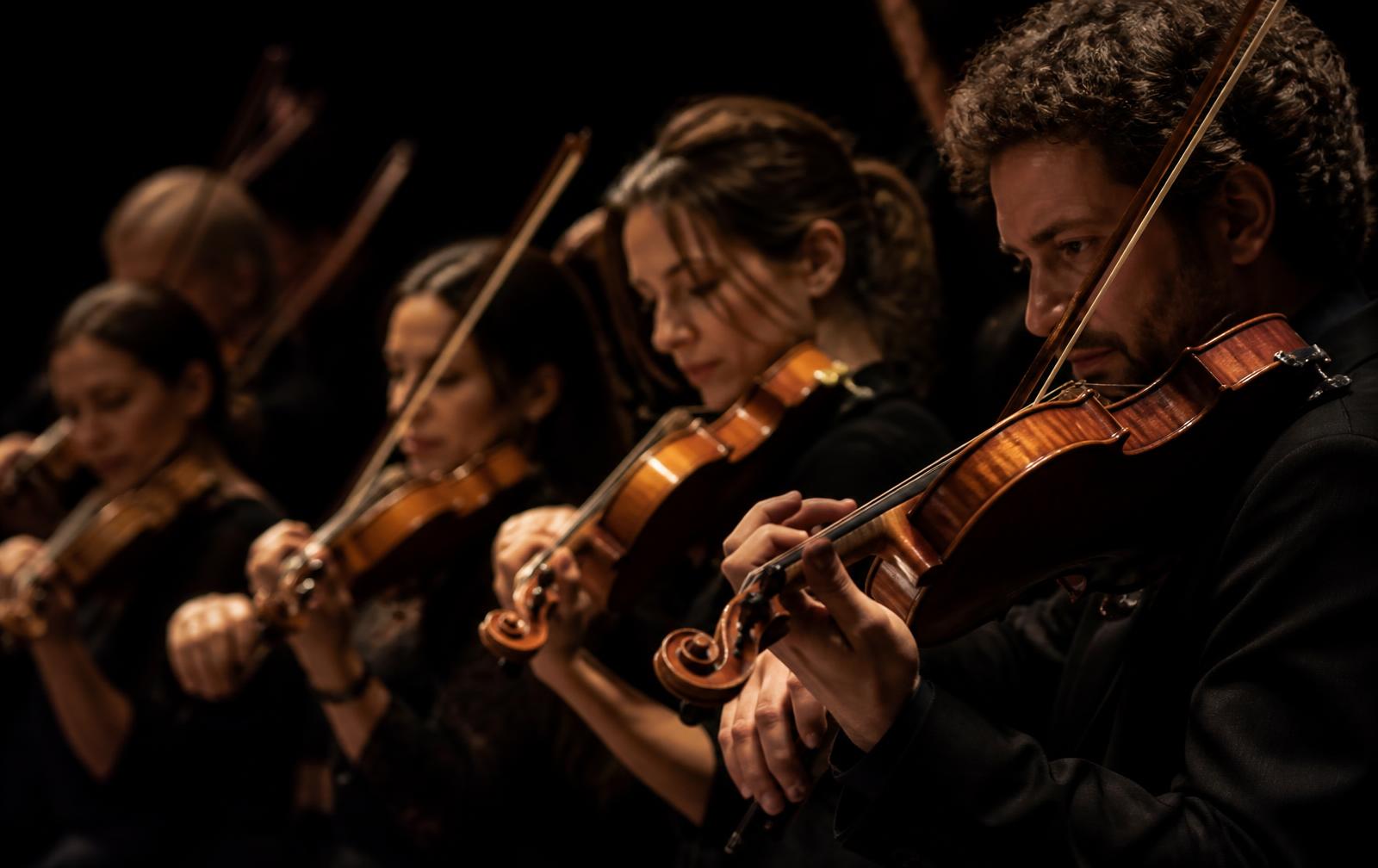
The Hallé Orchestra often includes overtures like The Magic Flute in their "Classical Extravaganza" programmes. These overtures function like a movie trailer, giving you a three-minute burst of the opera's energy and themes. Even without the singers, you can hear the characters scurrying about in the violins.
The Sacred and the Profane
Mozart was a man of the Enlightenment, but he wrote some of the most enduring religious music in the Western canon. The Requiem, left unfinished at his death, is the most famous, but the Mass in C minor is arguably his choral masterpiece.
"Mozart is the highest, the culminating point that beauty has attained in the sphere of music." — Pyotr Ilyich Tchaikovsky
Hearing a large-scale choral work like the Mass in C minor in a non-traditional space, such as the upcoming performance by the Philharmonia Orchestra at Bold Tendencies in Peckham, changes the experience entirely. The acoustics of a concrete car park or a cavernous cathedral (like Lincoln Cathedral, where the Academy of St Martin in the Fields perform this season) highlight the sheer scale of Mozart’s architecture.
What to Save for Later
While most Mozart is accessible, some of his chamber music — specifically the later string quartets — can be dense. They are incredible works, but they require a level of "active listening" that might be taxing if you are still getting used to the language of the period.
Similarly, his very early symphonies, written when he was a child, are fascinating historical documents but lack the emotional depth of his later years. If you see Symphony No. 1 on a programme (such as the Academy of Ancient Music's "Times of Transition" series), enjoy it for what it is: the astonishing output of an eight-year-old trying to sound like a grown-up.
The Live Experience: What to Watch For
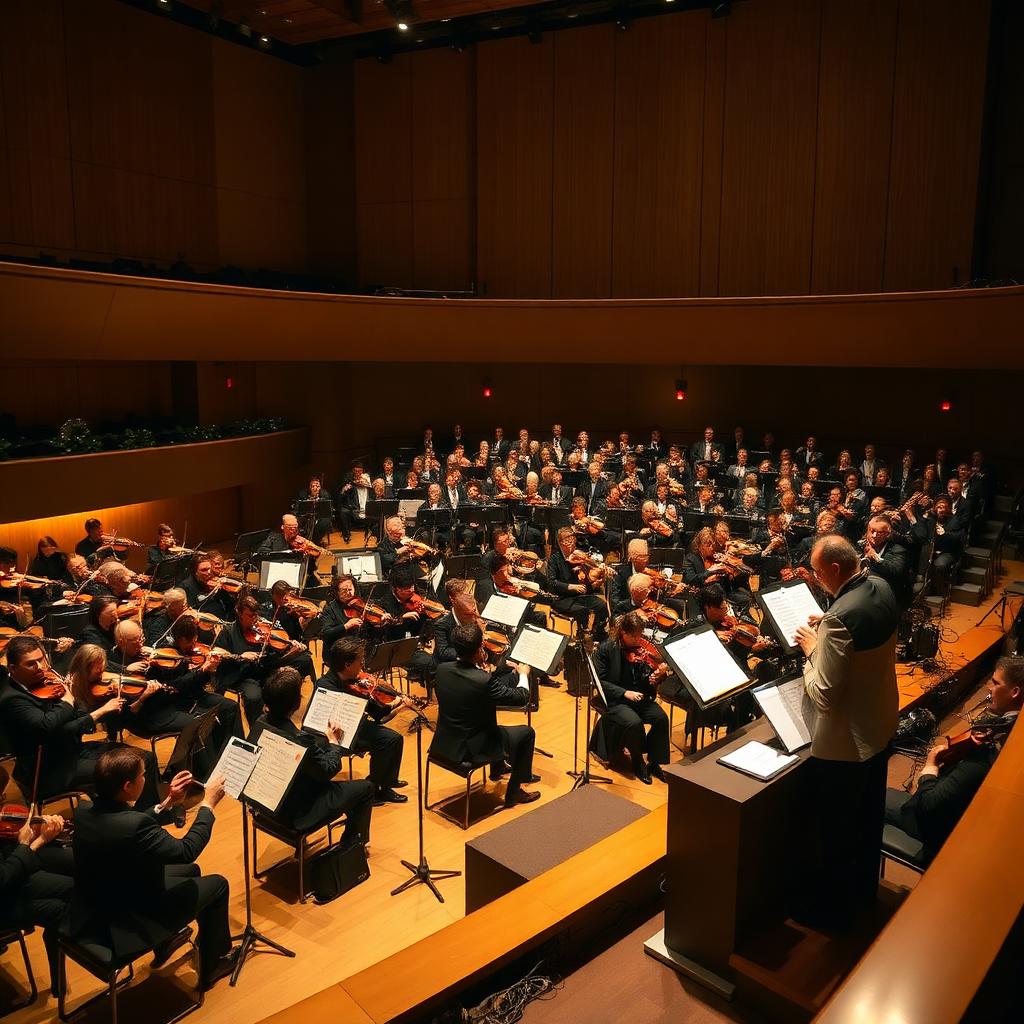
When you see a Mozart performance, pay attention to the size of the orchestra. You will notice fewer brass instruments and no percussion other than timpani (kettledrums). This leaves the woodwinds — flutes, oboes, clarinets, and bassoons — with a lot of work to do.
- The Woodwind Conversations: In the concertos and later symphonies, watch how the flute and oboe pass melodies back and forth like two people gossiping.
- The Lack of a Conductor: Occasionally, you will see a chamber orchestra like the Academy of St Martin in the Fields perform Mozart without a conductor, led instead by the lead violinist (the leader). This requires intense eye contact and physical cues, making the performance feel more like a high-stakes team sport.
- The Cadenza: In a concerto, the orchestra will eventually stop and leave the soloist to play alone. This is the "cadenza." In Mozart’s day, these were often improvised. Today, they are usually written down, but they remain the moment where the performer can show off their individual personality.
Finding Mozart in the Diary
Mozart remains a staple of the UK concert scene because his music provides a sense of balance that modern life often lacks. Whether it is a solo piano sonata at Liverpool Philharmonic Hall or a full symphony in Belfast, these works are designed to be heard in a room with other people.
Tickets for Mozart performances in the Bravura diary currently start from £10, though you should expect to pay around £20 for a standard seat at a major orchestral concert. Because these works are so popular, they often sell out faster than contemporary programmes, so it pays to look ahead.
To see what is currently bookable, from the BBC National Orchestra of Wales in Cardiff to the Royal Scottish National Orchestra in Ayr, browse the /calendar or search by composer in our guides section.