Elgar: beyond Nimrod and the Pomp
The cello concerto, the symphonies and the oratorios — a composer far stranger and sadder than his reputation.
The Bravura editorial team
Published 7 September 2026 · Last reviewed 7 September 2026 · How we research and review
Edward Elgar occupies a strange, slightly uncomfortable position in the British psyche. To some, he is the mascot of the Edwardian era: all stiff collars, imperial pomp, and the sturdy optimism of Land of Hope and Glory. To others, he is the ultimate outsider, a self-taught provincial who spent his life feeling undervalued by the London establishment and haunted by a profound, restless melancholy.
If you have only heard his music at a coronation or a graduation ceremony, you have heard the public mask. The private music is something else entirely — complex, psychologically frayed, and often devastatingly beautiful. Getting to know Elgar is an exercise in unpeeling these layers. He was a composer of enormous technical skill who could make a massive orchestra sound like a single, sighing voice.
The Outsider from Worcester
Unlike many of his contemporaries, Elgar did not attend a prestigious conservatory. He was the son of a piano tuner and music shop owner in Worcester, learning his trade by playing the organ in local churches and the violin in regional orchestras. This lack of a "proper" musical education left him with a lifelong chip on his shoulder, but it also meant he wasn't shackled by the rigid academic styles of the day.
His breakthrough didn't come until he was 42, with the Enigma Variations. Before that, he was a jobbing musician, teaching violin to the daughters of the local gentry and conducting the band at the Worcester County Lunatic Asylum. This sense of being an interloper never quite left him, even when he became the "Master of the King’s Musick." His best work is often written in the gaps between public confidence and private doubt.
What Elgar Sounds Like
If you were to describe Elgar’s sound in one word, it might be "nobilmente" — a direction he frequently wrote in his scores. It implies a kind of dignified grandeur, but in Elgar’s hands, that nobility is always teetering on the edge of a breakdown.
- The Big Tune: Elgar had a genius for long, sweeping melodies that seem to expand as they go. They don't just repeat; they evolve, often reaching a climax that feels earned rather than forced.
- Orchestral Colour: He was a master of the orchestra. He knew how to use the woodwinds to create a pastoral, "English" atmosphere, and how to use the brass to create a terrifying, metallic weight.
- Restlessness: His music rarely sits still. It is full of nervous energy, sudden shifts in tempo, and little bursts of chromaticism (notes outside the standard scale) that suggest a mind that is constantly questioning itself.
Three Works to Hear First
If you are looking at the Bravura diary, you will see that Elgar is a staple of the UK orchestral season. Here is where we suggest you start.
The Cello Concerto
This is Elgar’s late masterpiece, written in 1919 in the shadow of the First World War and the failing health of his wife, Alice. It is a stark, lonely work. The solo cello begins with a series of jagged, mournful chords, and the music that follows feels like a long look back at a world that no longer exists. It is arguably the most famous cello concerto in the world, but it never feels "populist." It is a private grief shared with several thousand people.
The Enigma Variations
This is the work that made him famous. It is a set of musical portraits of his friends, each variation capturing a personality trait — a nervous laugh, a stammer, or a shared memory. Variation IX, Nimrod, is the one everyone knows; it is frequently played at funerals and memorials for its sheer, understated dignity. However, hearing it within the context of the whole piece makes it even more powerful, as it emerges from a series of lighthearted sketches into something profound.
Symphony No. 1
Elgar waited a long time to write a symphony, and when he did, he produced a massive, hour-long epic. It begins with a "motto" theme — a steady, walking tune that represents the "hope and future" of the composer. Throughout the four movements, this theme is battered, distorted, and almost lost, before returning in a blaze of brass at the very end. It is one of the great emotional journeys in the orchestral repertoire.
"I have written out my soul in the concerto, and you know it." — Edward Elgar on his Cello Concerto.
What to Save for Later
Elgar’s choral music is monumental, but it can be a lot to take in for a first-timer. The Dream of Gerontius is his most famous oratorio, a setting of a poem about the journey of a soul after death. It is deeply Catholic, intensely dramatic, and musically radical, but it requires a certain amount of stamina.
Similarly, the Symphony No. 2 is a more difficult beast than the First. It is dedicated to the memory of King Edward VII, but it is not a celebratory work. It is hallucinatory, troubled, and ends not with a bang, but with a quiet, fading sunset. Save these for when you have fallen in love with the Cello Concerto and the Enigma.
The Live Experience
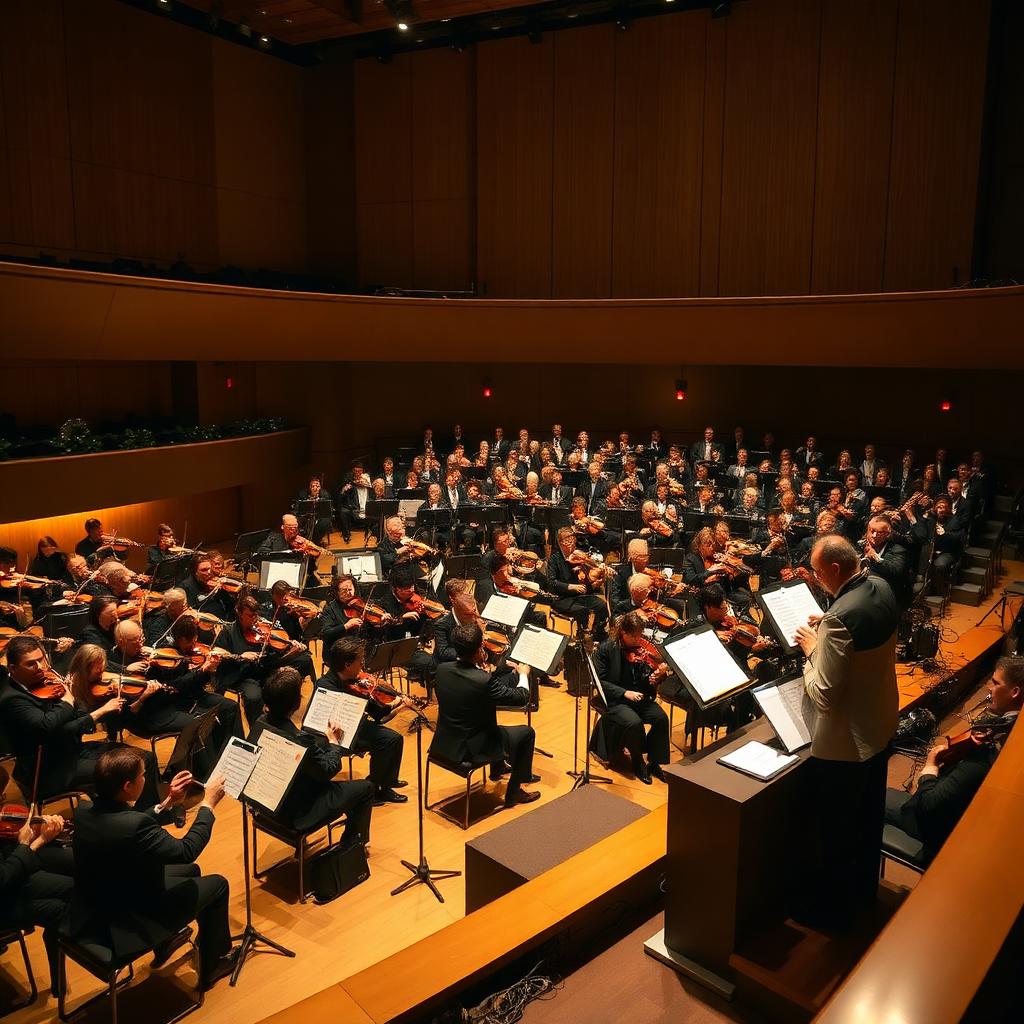
Elgar is a composer who benefits immensely from being heard in a concert hall. His orchestrations are thick and complex; on a recording, they can sometimes sound muddy. Live, you can hear the "inner voices" — the violas and bassoons that provide the rich, dark texture that is so characteristic of his sound.
A performance like the Royal Scottish National Orchestra playing the Symphony No. 1 in Edinburgh or Glasgow, or the Hallé under Thomas Adès in Manchester, allows you to feel the sheer physical weight of the sound. Elgar’s music often moves from a whisper to a roar in a matter of seconds; the dynamic range is something that home speakers rarely capture accurately.
Practical Tips
- The Pacing: Elgar’s symphonies are long. The First Symphony usually clocks in at over 50 minutes. It requires focus, but the rewards of that final, triumphant return of the opening theme are significant.
- The "Nimrod" Trap: If you see "Nimrod" listed on a programme (often at "Last Night of the Proms" style events or New Year's Day concerts), it will be just that single movement. While beautiful, it is essentially a snippet. To understand Elgar's genius for structure, look for the full Enigma Variations.
- The Conductor Matters: Elgar is notoriously difficult to conduct because of his frequent changes in tempo. Look for conductors who have a reputation for "English" music, but don't ignore international perspectives — the music is universal enough to survive many different interpretations.
Why He Matters Now
We often look to the past for a sense of stability, but Elgar’s music tells us that the past was just as anxious and uncertain as the present. He caught the feeling of a world on the brink of change. In his music, you hear the grandeur of the British Empire, but you also hear the cracks beginning to show. It is this tension — between the public duty and the private doubt — that makes him more than just a purveyor of "patriotic" tunes. He is a composer of the human condition, in all its messy, melancholic glory.
Where to find Elgar
Elgar remains one of the most performed composers in the British Isles. You can find his major orchestral works scheduled throughout the year across the UK's major concert halls.
For current listings of the Cello Concerto, the Enigma Variations, and the Symphonies with orchestras like the Royal Philharmonic or the City of Birmingham Symphony Orchestra, please consult the Bravura diary. Our guides page also features introductions to other late-Romantic contemporaries if you find Elgar's sound to your liking.