Classical music in Glasgow: the RSNO, Scottish Opera and City Halls
Scotland's busiest classical city, with two orchestras, a national opera company and famously cheap seats.
The Bravura editorial team
Published 4 September 2026 · Last reviewed 4 September 2026 · How we research and review
Glasgow is a city that wears its culture without affectation. While its eastern neighbour, Edinburgh, often feels like a museum piece during festival season, Glasgow functions as the year-round engine room of Scottish classical music. It is home to two major symphony orchestras, the national opera and ballet companies, and a conservatoire that keeps the city’s bars and cafes populated with musicians.
For the listener, this means a density of performance that is rare for a city of its size. It also means that classical music here lacks the stiff formality often associated with London or Vienna. You are just as likely to see a premiere in a converted tram depot as you are a Mahler symphony in a purpose-built hall.
The Big Two: RSNO and the BBC SSO
The city’s orchestral life is defined by the friendly rivalry between the Royal Scottish National Orchestra (RSNO) and the BBC Scottish Symphony Orchestra (BBC SSO). Both are world-class ensembles, but they occupy different physical and stylistic spaces.
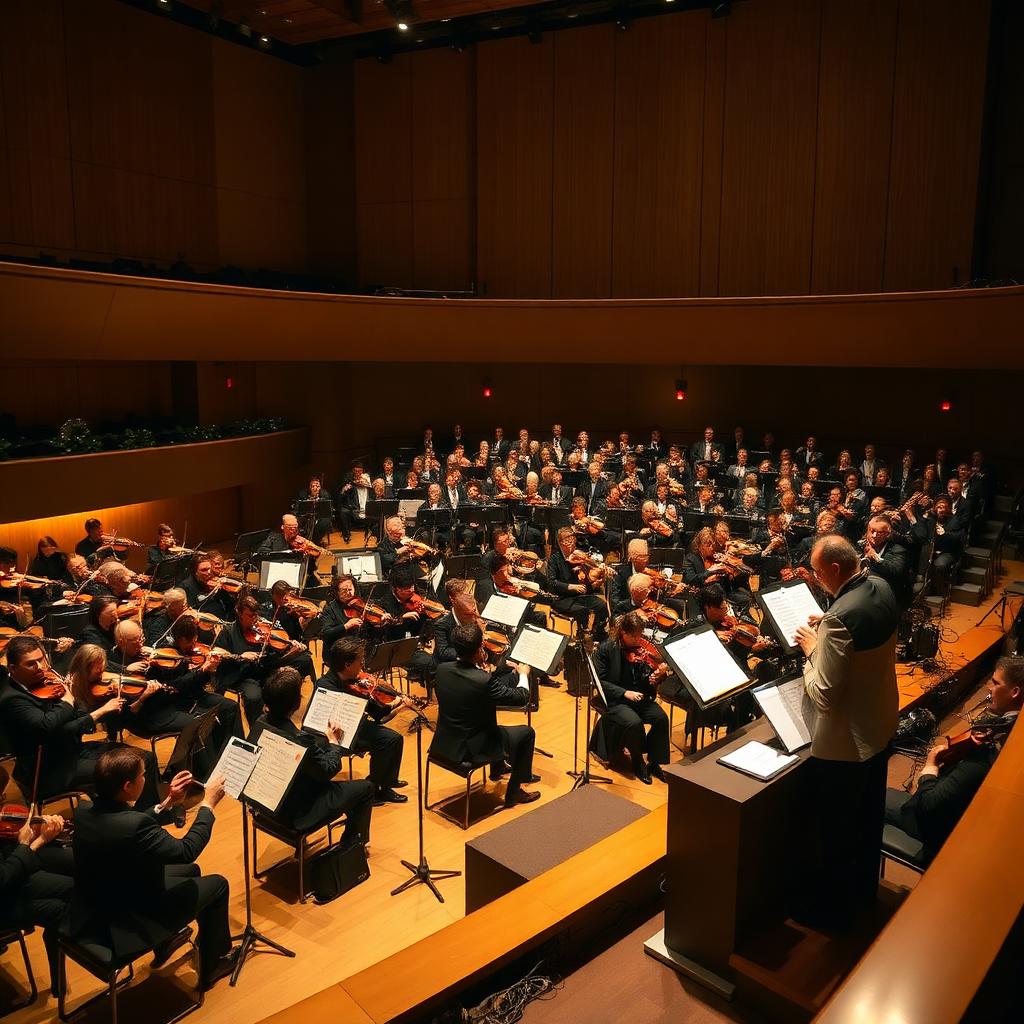
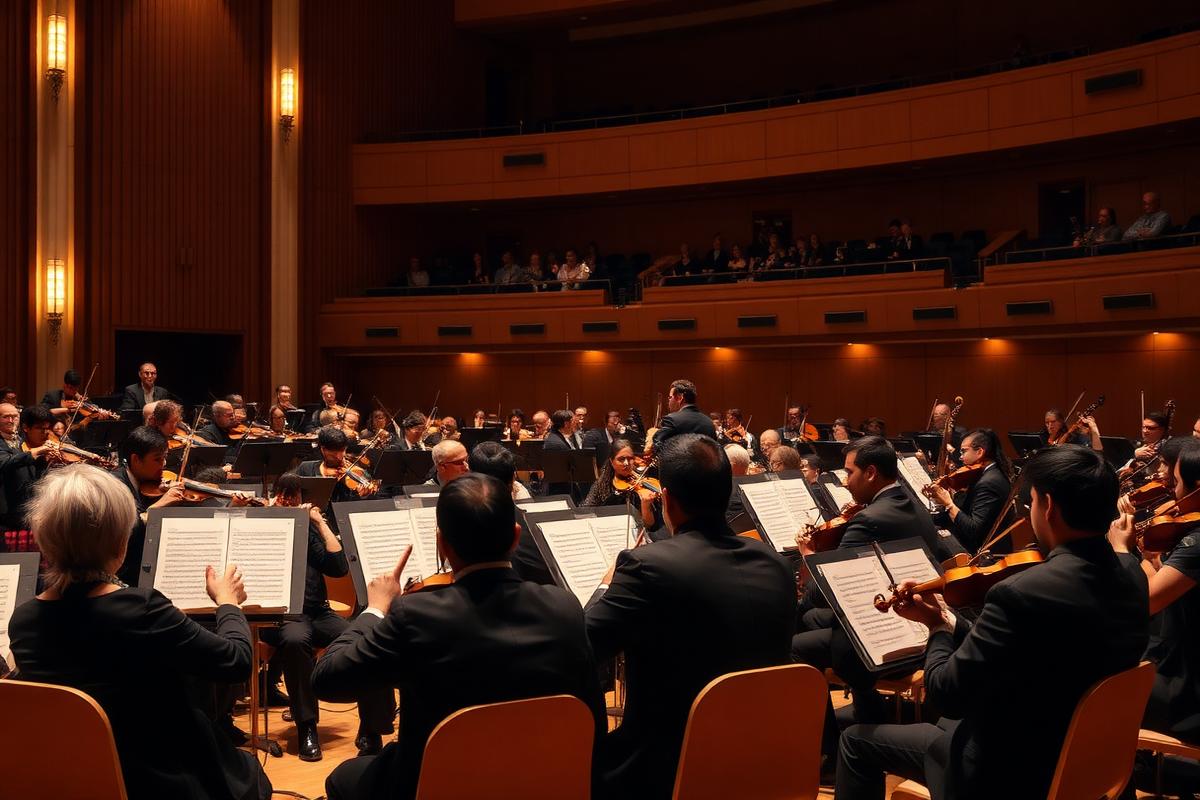
The RSNO is the heavyweight occupant of the Glasgow Royal Concert Hall. They tend to handle the large-scale Romantic repertoire — think Mahler, Rachmaninov, and Sibelius — with a lush, powerful sound. As you will see in the Bravura diary, their programming often features major symphonic cycles and international soloists. They are the orchestra for those who want the full, roof-shaking experience of a hundred musicians in peak form.
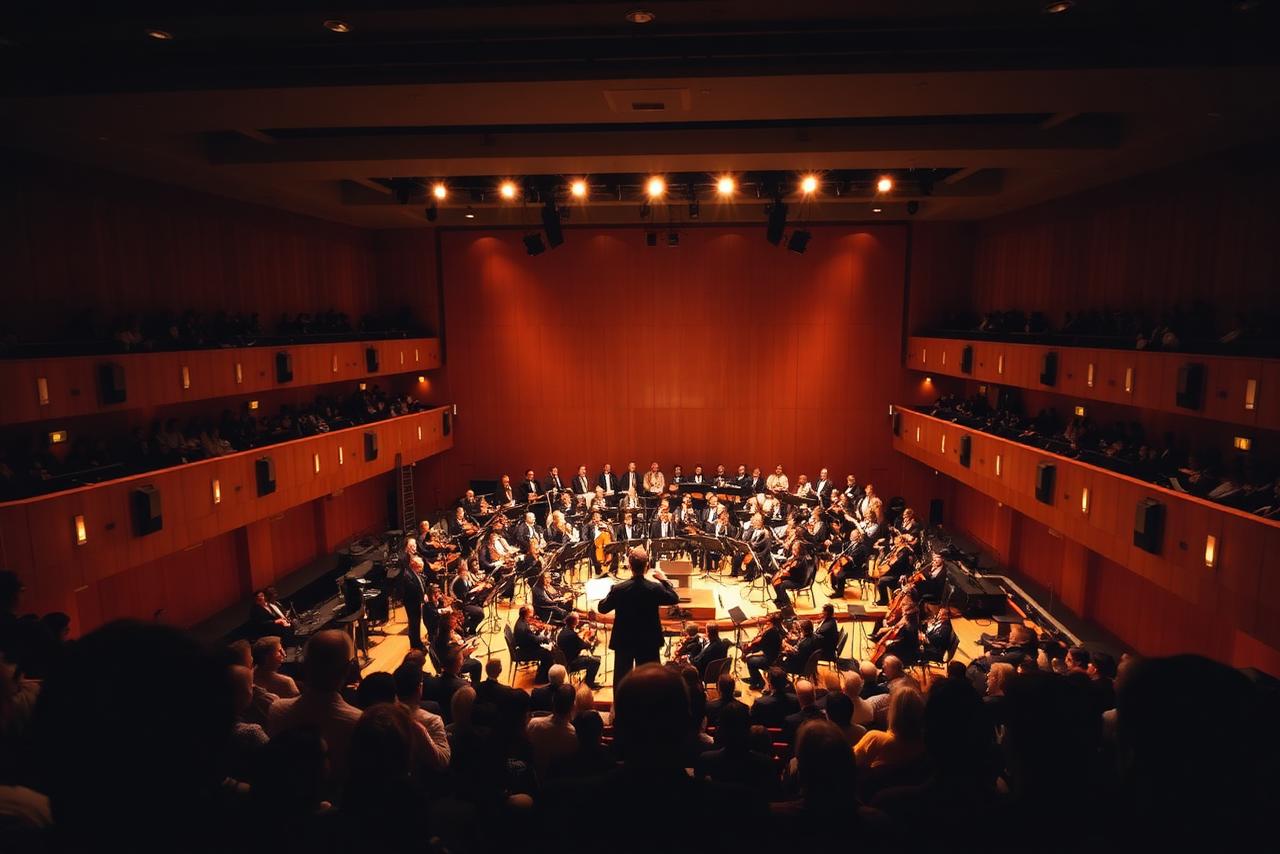
The BBC SSO, by contrast, is based at Glasgow City Halls in the Merchant City. As a broadcasting orchestra, their remit is slightly wider and often more adventurous. They are the primary champions of contemporary composers and neglected 20th-century works. If you want to hear Steve Reich, Arvo Pärt, or a premiere by a living Scottish composer, the BBC SSO is usually your best bet. Their home, the Old Fruitmarket-adjacent City Halls, offers an acoustic that is tighter and more intimate than the Royal Concert Hall.
The Royal Concert Hall and the New Auditorium
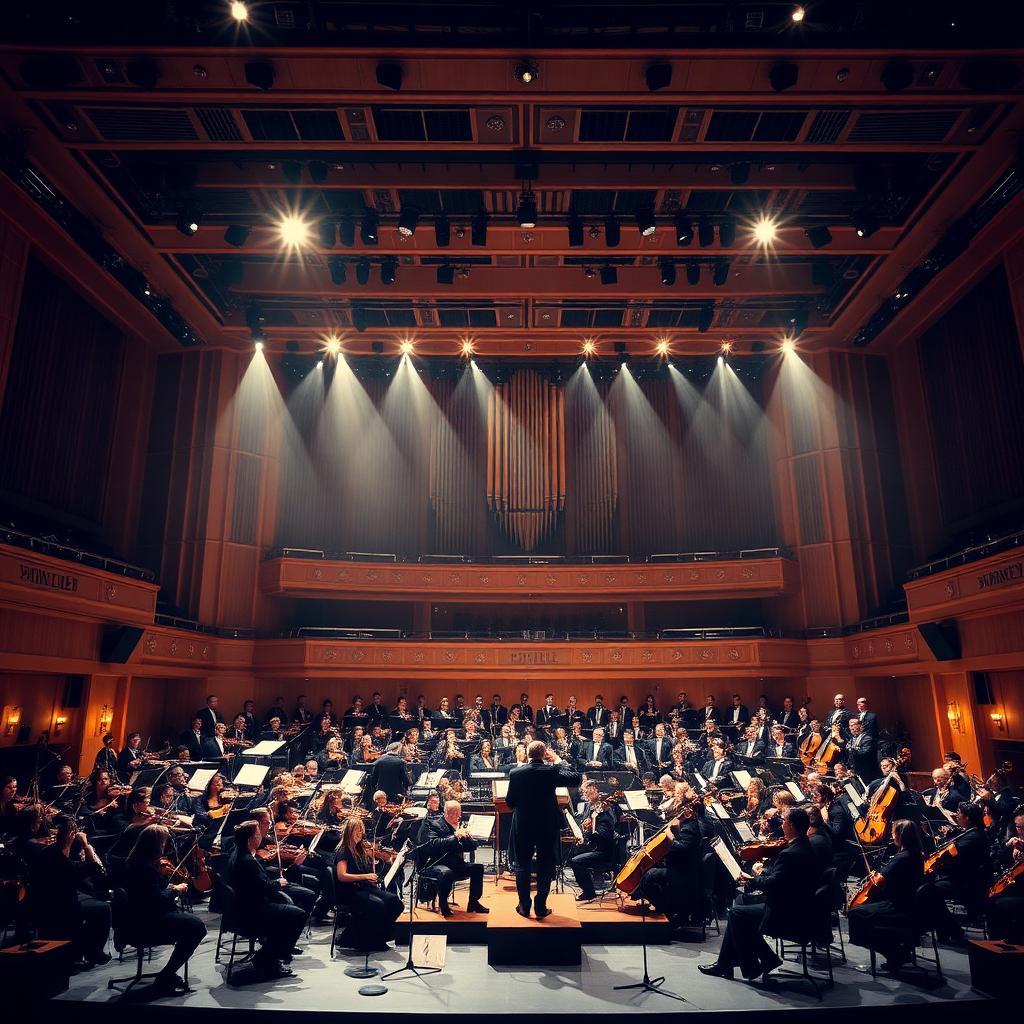
Sitting at the top of Buchanan Street, the Glasgow Royal Concert Hall is the city’s primary classical hub. The Main Auditorium is a vast, wood-clad space with a clear, neutral acoustic. It is comfortable, though the sheer scale can feel slightly impersonal if the hall isn't full.
However, the building also houses the New Auditorium. This is a smaller, modern space used frequently by the RSNO for chamber music and smaller-scale experiments. It is an excellent place to hear a string sextet or a wind dectet where you can see the sweat on the performers' brows.
In Glasgow, the music is rarely kept behind a velvet rope; the city’s venues are built for sound, not for showing off your finery.
Opera and Ballet at the Theatre Royal
If you are looking for drama, the Theatre Royal on Hope Street is the base for both Scottish Opera and Scottish Ballet. Unlike many national companies that feel tethered to a single historic house, these companies are highly mobile, but their Glasgow seasons are their cornerstone.
Scottish Opera has a reputation for gritty, intelligent productions. They don't just stick to the 'greatest hits', though you will regularly find staples like Puccini’s Turandot in the schedule. The Theatre Royal itself is a Victorian gem that has been modernised with a striking contemporary foyer; the auditorium remains intimate enough that you don't need binoculars to see the singers’ expressions.
Scottish Ballet, meanwhile, is one of the most innovative companies in the UK. While they perform the classics, they are equally known for commissioning new choreography and modern scores. They often bridge the gap between traditional ballet and contemporary dance, making them a good entry point for those who find the 'tutu and tiara' school of dance a bit stale.
Unexpected Venues: From Tramway to Abbeys
One of Glasgow's strengths is its willingness to put classical music in 'non-classical' spaces. Tramway, a former tram depot in the Southside, is frequently used for large-scale contemporary works that require a more industrial aesthetic. It is a raw, flexible space that suits the minimalist pulse of Philip Glass or the avant-garde.
Further afield, Paisley Abbey provides a medieval acoustic for choral works and early music ensembles like the Dunedin Consort. The stone walls and soaring ceilings offer a natural reverberation that no purpose-built concert hall can replicate. Even the city's parks and smaller community hubs occasionally host brass quintets or youth choruses, reflecting a city where music is woven into the geography rather than confined to a single district.
Practicalities and Booking
One of the most refreshing things about Glasgow’s classical scene is the price. While top-tier seats for a touring soloist can be expensive, the typical lowest price for many orchestral concerts is around £12, with some tickets starting as low as £10.
- Booking: Most major venues in Glasgow use a central booking system or their own dedicated box offices. It is always worth checking the venue’s own site for 'last minute' or 'under 26' deals, which are common in a city with such a large student population.
- Dress Code: There isn't one. You will see people in full evening wear sitting next to people in jeans and trainers. The general rule is to be comfortable.
- Timing: Most evening concerts start at 7:30 pm. For the Royal Concert Hall, the central location means there are dozens of restaurants within a five-minute walk for a pre-show meal.
- The Interval: In the City Halls, the bar area can get very crowded. It is often wise to pre-order your drinks to avoid spending your entire break in a queue.
Choosing Your First Performance
If you are new to this and unsure where to start, Glasgow offers several distinct 'flavours' of performance. You can use our guides to learn more about specific genres, but for a Glasgow-specific start, consider these options:
- The Spectacle: A full-scale symphony at the Royal Concert Hall. Look for names like Mahler, Rachmaninov or Bruckner for maximum impact.
- The Discovery: A BBC SSO concert at City Halls. These often feature a well-known concerto alongside something you’ve never heard before.
- The Drama: A production at the Theatre Royal. Opera in Glasgow is rarely stuffy and almost always visually arresting.
- The Alternative: A performance at Tramway or the New Auditorium for something that feels more like a 'gig' than a formal concert.
Planning Your Visit
Glasgow is a compact city, and most of these venues are within walking distance of the main train stations (Queen Street and Central). If you are coming from out of town, the Merchant City (near City Halls) is the best area for post-concert drinks, while the area around Hope Street (near the Theatre Royal) is better for quick dining.
For a full list of what is playing this month, including chamber recitals, choral works, and the latest orchestral programmes, consult the Bravura diary. It is updated regularly with details on conductors, soloists, and programmes across all of Glasgow's major and minor stages.