Walton: swagger, film scores and Belshazzar
Jazz-age wit, coronation grandeur and one of the loudest choral works in the repertoire.
The Bravura editorial team
Published 7 September 2026 · Last reviewed 7 September 2026 · How we research and review
William Walton is the great bridge of 20th-century British music. He sits comfortably between the pastoral, folk-inflected mysticism of Ralph Vaughan Williams and the spikey, intellectual modernism of Benjamin Britten. If you are looking for music that feels inherently 'British' but possesses the rhythmic drive of a New York jazz club and the cinematic sweep of a Technicolor epic, Walton is your composer.
Born in Oldham in 1902, the son of a singing teacher, Walton was a choirboy who became a darling of the London avant-garde, then a master of the state occasion, and finally a self-imposed exile on the Italian island of Ischia. His music is defined by a particular kind of 'swagger' — a rhythmic restlessness that feels like a caffeinated version of Edward Elgar.
The Walton Sound: Wit and Weight
To understand Walton, you have to hear the friction in his music. He was not a prolific composer; he agonised over every bar, which results in scores that are incredibly dense and meticulously constructed.
His early work is shot through with the irony of the 1920s. It is brittle, clever, and designed to shock the Edwardian establishment. As he matured, this shifted into a grand, romantic melancholy. There is often a sense of underlying tension—short, jagged melodic phrases that repeat and build until they explode.
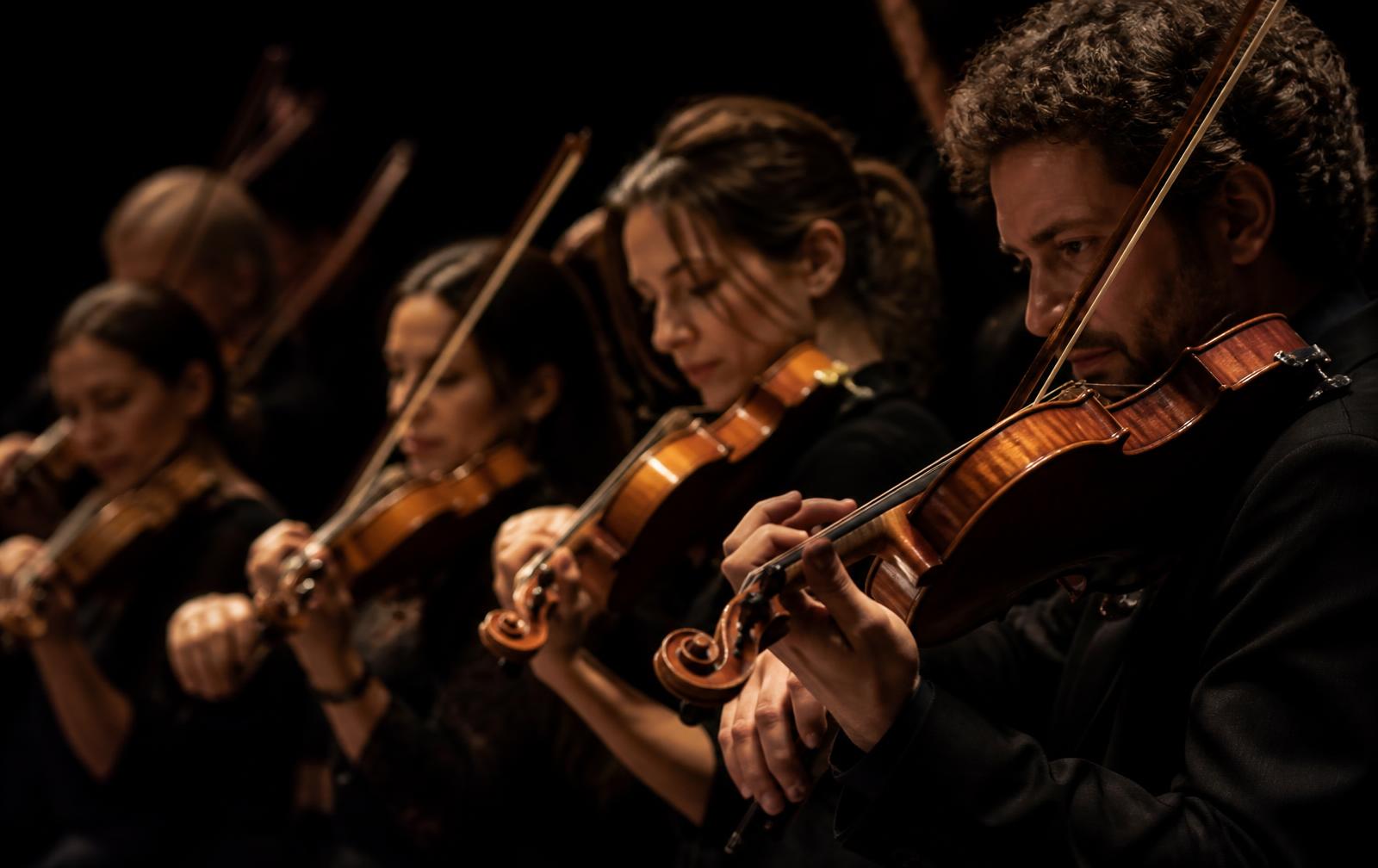
When you hear a Walton orchestration, look out for the brass. He used them with a visceral power that few others could match, often punctuated by sharp hits from the percussion section. It is music that feels physically propulsive, as if it is constantly trying to break into a sprint.
Three Works to Hear First
If you are new to the Bravura diary and looking for a starting point, these three works represent the different faces of Walton’s genius.
- Symphony No. 1: This is arguably the greatest British symphony of the 20th century. Written during a period of personal romantic turmoil, it is a volcano of a piece. The first movement begins with a low pedal note and builds a sense of dread and excitement that never lets up. The finale is a triumphant, brass-heavy release.
- Viola Concerto: Before Walton, the viola was often seen as the shy, middle-child of the string family. This concerto changed that. It is lyrical, bitter-sweet, and showcases the instrument’s soulful, husky tone. It proved Walton could do 'sad' just as well as he could do 'loud'.
- Façade: A complete departure. Originally written to accompany the rhythmic recitation of Edith Sitwell’s surrealist poems, it is a suite of parodies—foxtrots, waltzes, and polkas. It is funny, weird, and reminds us that classical music doesn’t always have to be solemn. The CBSO are performing this in Birmingham soon, offering a chance to hear Walton’s 'Roaring Twenties' side.
The Spectacle of Belshazzar’s Feast
We cannot discuss Walton without mentioning Belshazzar’s Feast. It is a massive choral work that tells the biblical story of the fall of Babylon. For a first-time listener, it is a sonic assault in the best possible way.
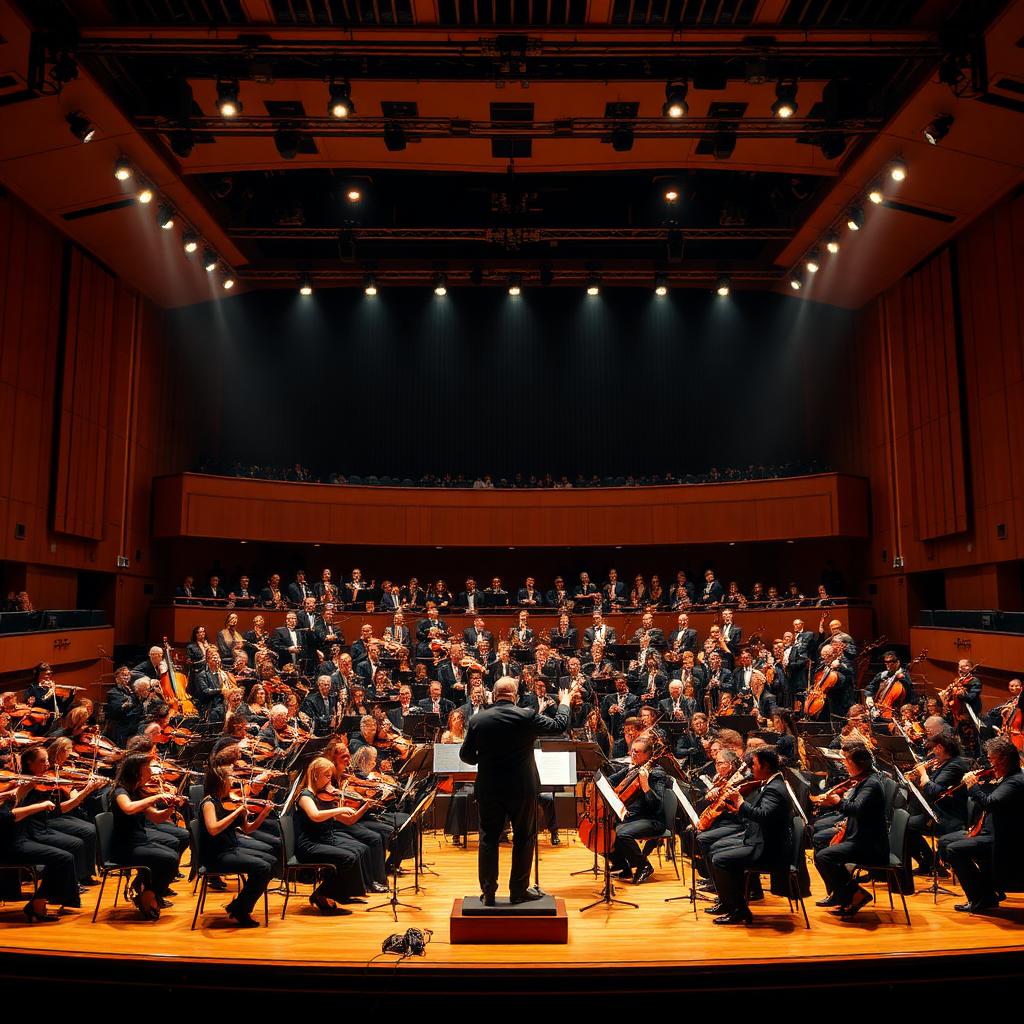
It requires a huge choir, a baritone soloist, and an enormous orchestra that includes two extra brass bands positioned away from the main stage. The moment the choir shouts "Slain!" to signal the death of the King is one of the most famous shocks in choral music. It is a work of high drama that feels more like an opera than a religious piece.
"He creates a soundworld that is simultaneously gritty and glamorous — a cinematic quality that feels remarkably modern even decades later."
The Film Music Legacy
Walton spent a significant portion of his career writing for the cinema, most famously for Laurence Olivier’s Shakespeare films (Henry V, Hamlet, and Richard III). This wasn't 'work for hire'; Walton brought the same rigour to these scores as he did to his symphonies.
His Spitfire Prelude and Fugue, written for the 1942 film The First of the Few, is a concert hall staple. It manages to capture the heroism of the RAF without falling into cloying sentimentality. The Royal Scottish National Orchestra has programmed this in their upcoming concerts in Perth, and it serves as a perfect demonstration of Walton’s ability to write a 'big tune' that still feels rhythmically sophisticated.
What to Save for Later
While Walton is generally accessible, some of his later works require a bit more patience. His only full-scale opera, Troilus and Cressida, contains beautiful music but is a long sit and has struggled to stay in the regular repertoire.
His Cello Concerto, written in 1956, is also a more meditative, elusive beast than the Viola or Violin concertos. It is sun-drenched and Mediterranean (written while he was living in Italy), favouring atmosphere over the driving aggression of his youth. The BBC Scottish Symphony Orchestra are performing this in Glasgow and Edinburgh; it is a beautiful work, but perhaps one to approach once you have grown accustomed to his earlier, more energetic style.
Hearing Walton Live
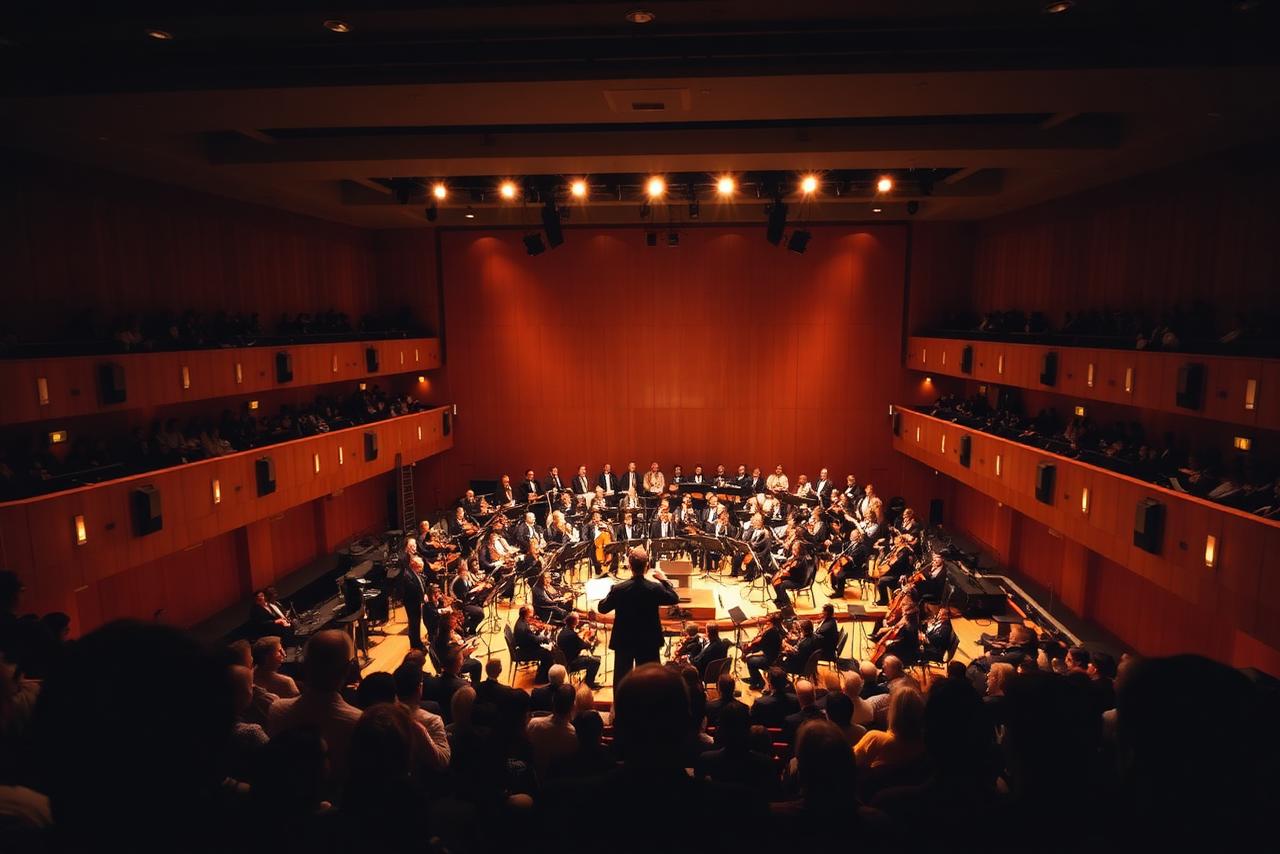
Walton’s music is designed for the physical space of a concert hall. Because he uses such large forces and relies so heavily on rhythmic precision, recordings often struggle to capture the 'shimmer' of his orchestration.
In a venue like The Bridgewater Hall or Usher Hall, you don’t just hear the brass — you feel it in your chest. The complexity of his textures means there is always something to watch: the percussionists switching between instruments at high speed, or the woodwinds playing the 'bird-like' chirps that are a Walton trademark.
For the best experience, try to find a seat where you have a clear view of the percussion and brass sections. You can browse the Bravura diary to find upcoming performances, including the BBC Philharmonic’s upcoming performance of the First Symphony in Manchester, which promises the kind of orchestral workout that defines the Walton experience.
Finding a Performance
Current listings in the Bravura diary show a healthy spread of Walton across the UK, particularly in the North and Scotland. Prices for these orchestral concerts are often very accessible, with the lowest advertised price starting at £10 and a typical lowest price around £15, depending on the venue and age concessions.
- For the film fan: Look for the Spitfire Prelude and Fugue with the Royal Scottish National Orchestra in Perth.
- For the symphony seeker: The BBC Philharmonic at The Bridgewater Hall is the place to be for the Symphony No. 1.
- For the choral enthusiast: Keep an eye on our guides for updates on major choral festivals where Belshazzar’s Feast frequently appears.
- For the intimate setting: The APOLLO5 concert at The Tung Auditorium in Liverpool offers a rarer chance to hear Walton’s smaller-scale vocal writing.
For a full list of upcoming performances, venues, and booking details, visit the Bravura diary.