Verdi: an opera beginner's route in
Twenty-eight operas, a handful of them the most watchable nights in the theatre. Start here.
The Bravura editorial team
Published 6 September 2026 · Last reviewed 6 September 2026 · How we research and review
For a century and a half, Giuseppe Verdi has been the primary architect of what the public imagines when they hear the word 'opera'. He is the man responsible for the soaring choruses, the tragic heroines dying of consumption, and the high-tenor notes that seem to defy gravity.
If you are new to the art form, Verdi is the safest and most rewarding place to start. Unlike the dense, philosophical puzzles of Richard Wagner or the delicate, polite structures of the 18th century, Verdi wrote for the gut. He lived through the unification of Italy, and his music carries that specific kinetic energy: it is direct, rhythmic, and unashamedly tuneful.
The man and the myth
Verdi was born in 1813 in a small village in northern Italy. He grew up as the son of an innkeeper and, despite his eventual status as a national hero and wealthy landowner, he maintained a prickly, practical peasant sensibility throughout his life. He was not an abstract dreamer; he was a man who understood how to sell tickets.
His early career was marked by personal tragedy — the death of his two children and his young wife — which perhaps explains why his best work focuses on the complex, often doomed relationships between parents and children. He became a symbol of the Risorgimento, the movement for Italian independence. The slogan 'Viva VERDI' was used as a secret code for the crowning of Vittorio Emanuele Re D’Italia. This political fire breathes through his scores.
What does Verdi sound like?
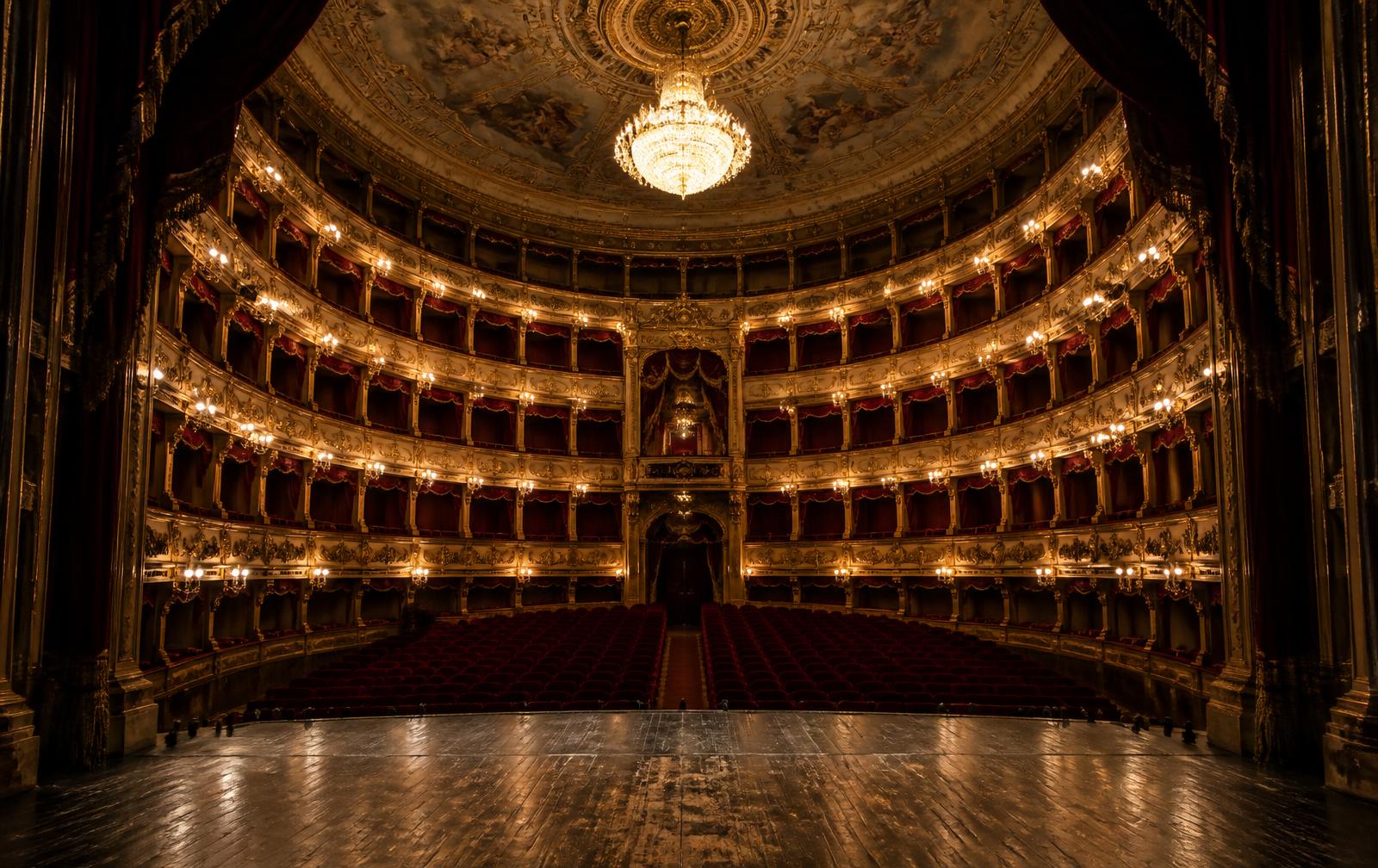
We tend to categorise Verdi by his 'big' moments, but his true skill lies in the pacing. You will notice a few distinct hallmarks when you sit down in a theatre like the Leeds Grand or the Royal Opera House:
- The 'Oompah' Bass: Especially in his early and middle periods, the orchestra often functions like a giant guitar, providing a steady, rhythmic pulse that drives the drama forward.
- The Verdi Baritone: He wrote some of his most complex, tortured music for the baritone voice — usually a father figure who is torn between his duty and his love for his family.
- Naturalism: While the plots are often outlandish (swapped babies, curses, secret identities), the emotions feel startlingly real. When a character is angry, the music is jagged; when they are heartbroken, the melody stretches and thins.
Where to start
With twenty-eight operas to choose from, a newcomer needs a roadmap. We suggest beginning with the 'Middle Period' trilogy, where Verdi perfected the balance of catchy tunes and psychological depth.
Rigoletto
This is perhaps the most tightly constructed opera ever written. It follows a court jester — a bitter, hunchbacked man — who tries to protect his daughter from his lecherous boss, the Duke. It contains 'La donna è mobile', a tune so famous it has been used to sell everything from pasta sauce to cars, but in context, it is a chilling moment of irony.
"Verdi’s genius lies in making you hum a tune that is being sung by a complete villain, forcing you to participate in the drama's cruelty."
La traviata
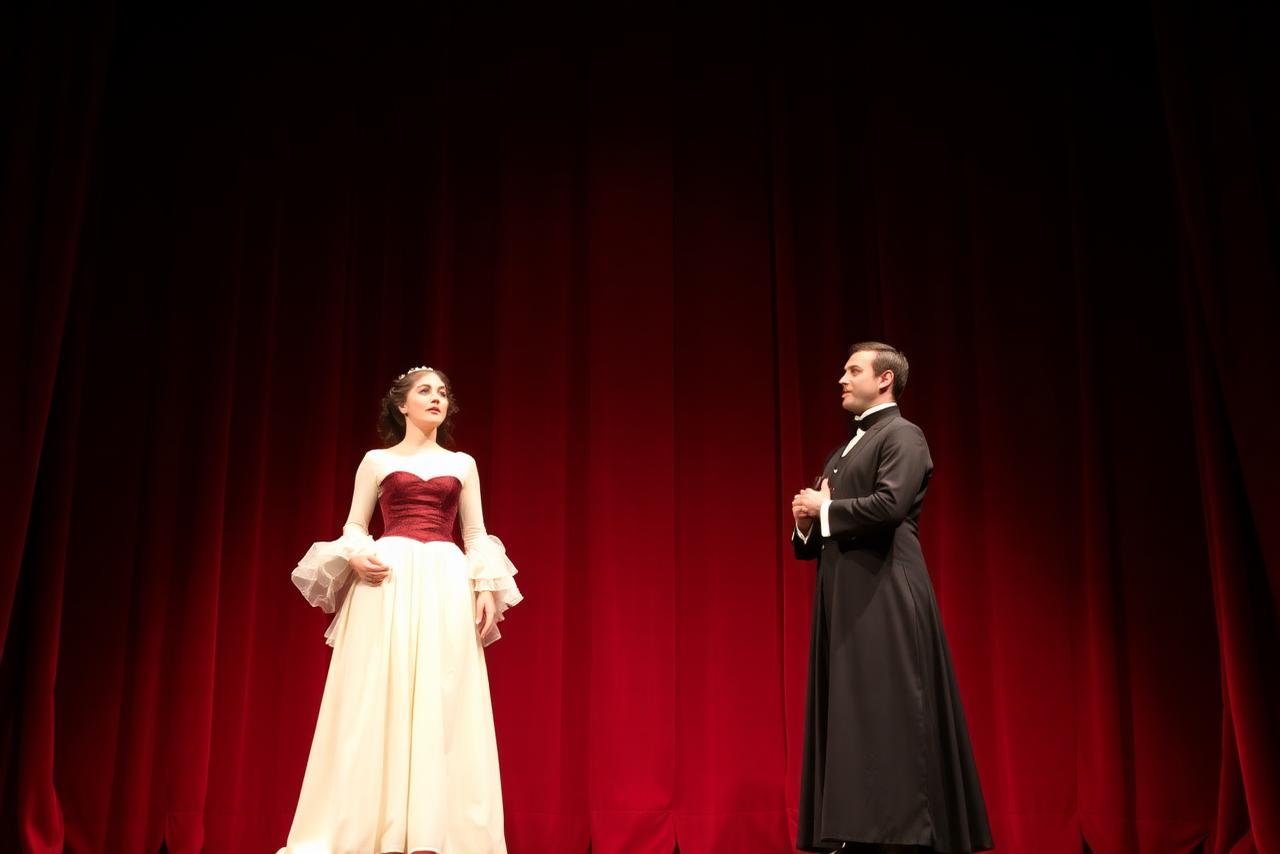
If you want to see the 'dying heroine' trope done with genuine dignity, this is it. It tells the story of Violetta, a high-society courtesan in Paris who gives up her lifestyle for love, only to be crushed by social hypocrisy. The music ranges from the champagne-soaked 'Brindisi' (drinking song) to the frail, skeletal whispers of the final act.
Aida
This is the spectacle. Set in Ancient Egypt, it features grand marches, trumpets, and massive choruses. However, at its heart, it is a private chamber drama about a love triangle. It is the perfect entry point if you want the visual grandeur that only opera can provide on a large scale.
The Requiem: Opera in disguise
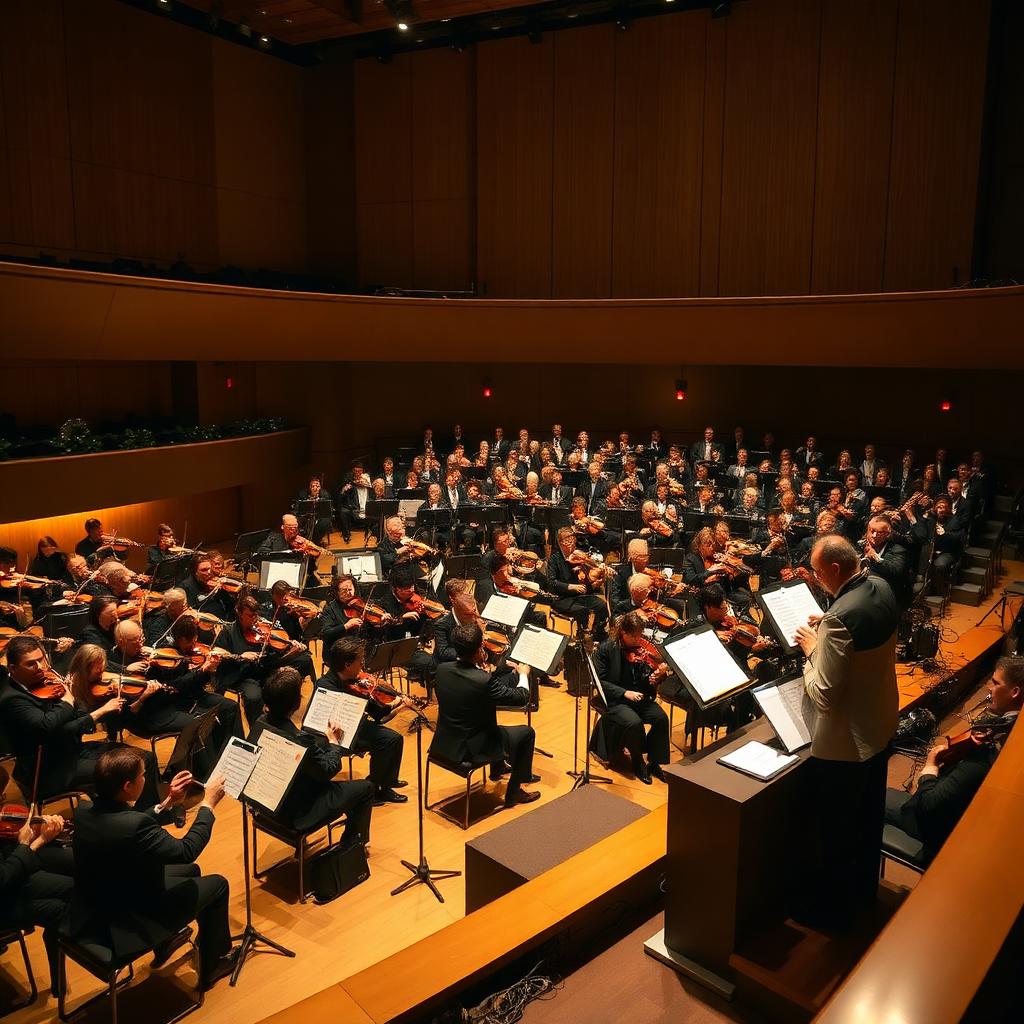
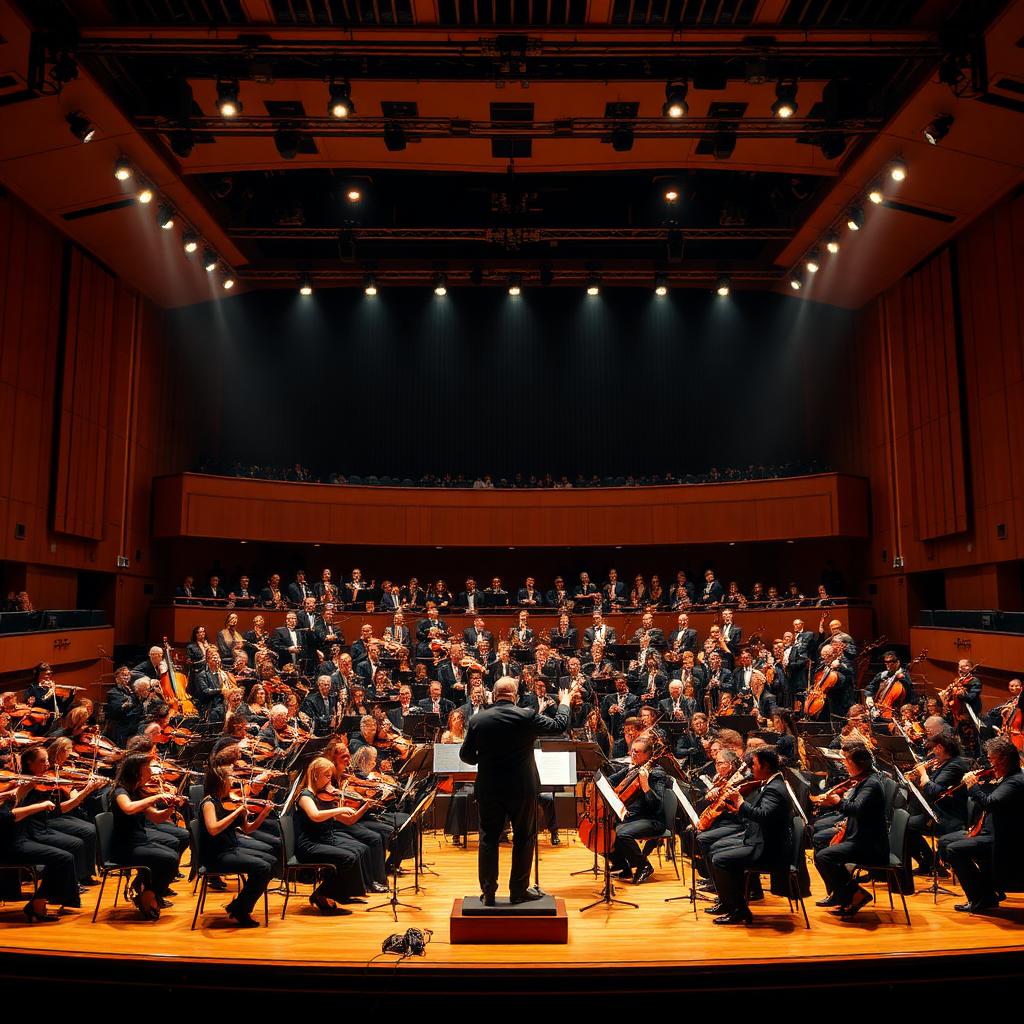
If you aren't ready to commit to three hours of staging, look for the Messa da Requiem. While technically a funeral mass, it is often called 'Verdi’s best opera'. It uses a full orchestra, a massive choir, and four soloists to depict the Day of Judgement. The 'Dies irae' movement, with its pounding bass drums, is frequently used in film trailers to signify the end of the world. It is a visceral, terrifying, and ultimately beautiful experience that fits perfectly into a concert hall setting like the Usher Hall or Symphony Hall, Birmingham.
Works to save for later
Verdi’s career lasted into his eighties, and his style evolved significantly. We recommend waiting a little while before diving into his final two masterpieces, Otello and Falstaff.
These are incredible works based on Shakespeare, but they lack the 'stand-alone' tunes of his earlier years. The music is through-composed, meaning it flows constantly without stopping for the audience to clap after a big song. They are best appreciated once you have a handle on the 'Verdi style' and can hear how he is subverting it.
Similarly, Don Carlos is a magnificent, five-act sprawling epic about the Spanish Inquisition, but its sheer length (often four hours) makes it a demanding 'first date'.
Practicalities: Seeing Verdi live
Verdi is a staple of the UK repertoire, and you will find his works staged regularly by major companies. A typical lowest price for a seat can be as little as £8, though £20 is a more realistic starting point for most touring productions.
- Subtitles: Almost every UK opera house uses 'surtitles' (projections above the stage). Even if the opera is sung in Italian, you will be able to follow every word.
- The Overture: Many Verdi operas begin with a standalone orchestral piece. These are often performed as concert highlights. For example, the Overture to The Force of Destiny is a frequent guest on orchestral programmes at venues like the Royal Albert Hall or Ripon Cathedral.
- Dress Code: Despite the myths, you do not need a tuxedo. Modern opera audiences are a mix of 'jeans and a jumper' and 'smart-casual'. The music is the focus, not your wardrobe.
Using the Bravura diary
To find a performance near you, visit the Bravura diary. Our listings include everything from full-scale productions of Rigoletto in Leeds and Newcastle to orchestral gala nights in Birmingham and London.
If you want to learn more about the technical terms used in opera — like 'aria', 'recitative', or 'coloratura' — our wider guides provide clear, jargon-free explanations to help you navigate your first night at the theatre.