Symphony Hall, Birmingham: Britain's best acoustic?
A shoebox with a reverberation chamber, and a very strong claim to the finest sound in the country.
The Bravura editorial team
Published 7 September 2026 · Last reviewed 7 September 2026 · How we research and review
Birmingham’s Symphony Hall is often cited by critics and musicians as the only venue in the United Kingdom that can look the great European halls — the Concertgebouw in Amsterdam or the Musikverein in Vienna — squarely in the eye.
Opened in 1991, it arrived at a time when British concert hall design was struggling with the "multipurpose" trap: rooms trying to be everything to everyone and succeeding at being nothing to no one. Symphony Hall took a different path. It was built specifically for the City of Birmingham Symphony Orchestra (CBSO) with a dogged, almost obsessive focus on how sound moves through space. The result is a hall that doesn't just host music; it frames it.
The Science of the "Shoebox"
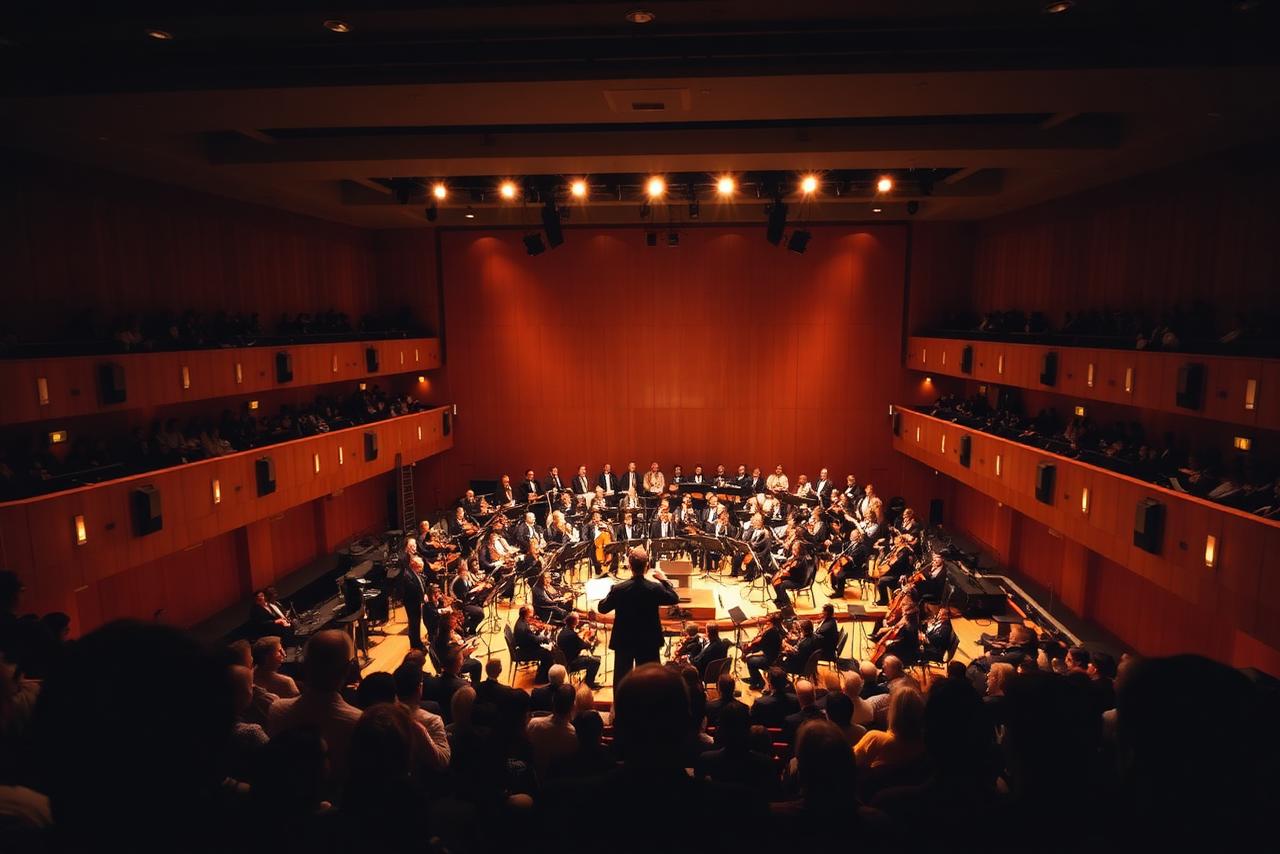
The hall follows the classic "shoebox" shape, a long, tall rectangle that provides the lateral sound reflections necessary for a sense of immersion. However, its secret weapon is hidden behind the walls.
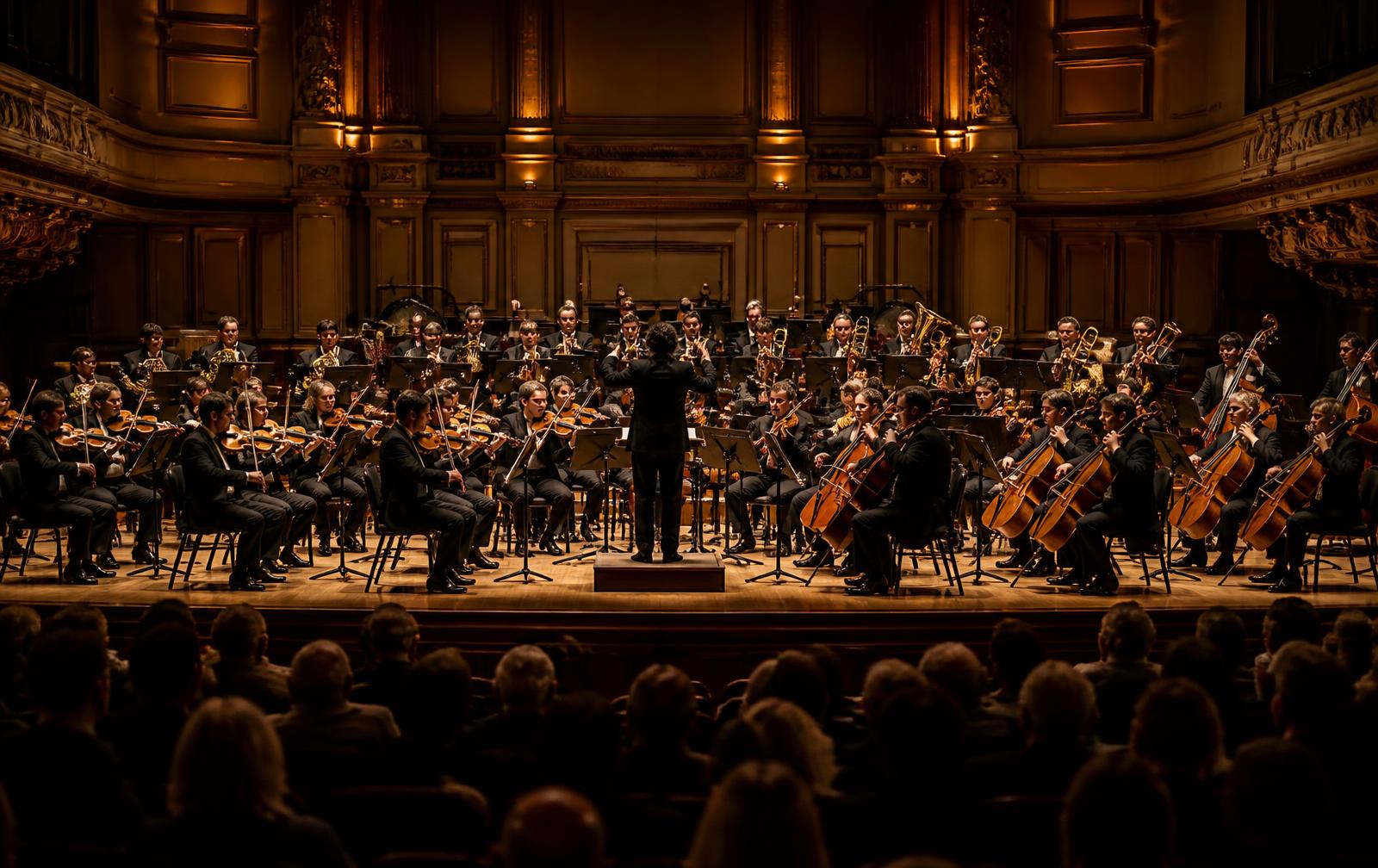
The auditorium is surrounded by a massive reverberation chamber — a series of concrete voids behind heavy wooden doors. By opening or closing these doors, the house technicians can physically change the volume of the room. When a massive work like Mahler’s Symphony No. 2 (a staple for Kazuki Yamada and the CBSO) is performed, the doors are opened to give the sound space to bloom. For a delicate Mozart concerto or a chamber recital, they stay shut to keep the detail dry and intimate.
Above the stage hangs a giant concrete canopy. It looks like a brutalist spaceship, but its function is to reflect sound back down to the players so they can hear one another, and out to the front rows. This combination of adjustable tech means that whether you are hearing the roar of Elgar’s Enigma Variations or the quietest breath of a Britten song cycle, the sound is startlingly present.
Where to Sit: Sound vs. Sight
In many halls, there is a "cheap" end where the sound is thin. At Symphony Hall, the acoustic is so democratic that you are largely choosing based on perspective.
- The Stalls: The best place to feel the physical power of the orchestra. If you are in the first few rows, you will see the sweat on the violinists' brows, but the sound may take a moment to blend. Row M and backwards offers the most balanced "stereo" image.
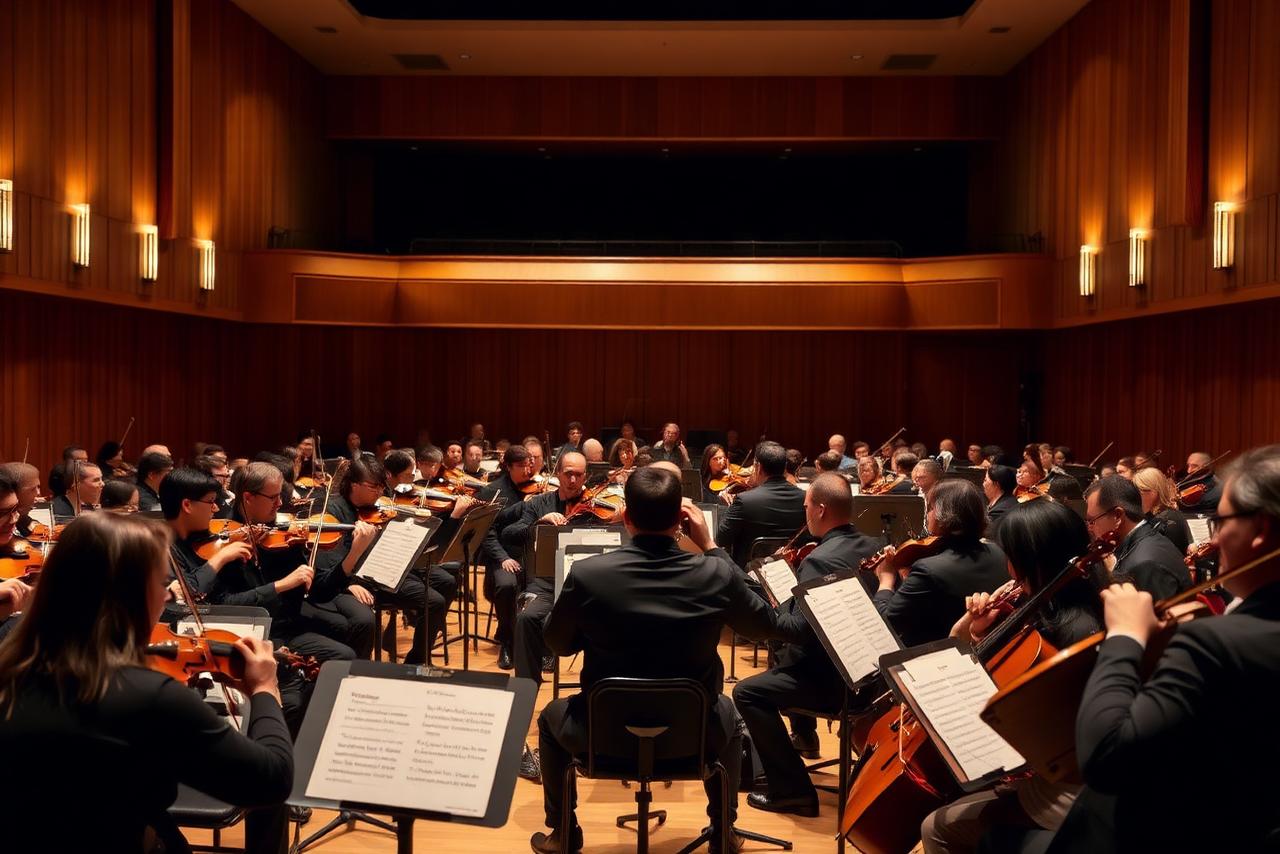
- The Circle: Many regular attendees consider the front of the Circle to be the "golden seats." You are high enough to see the layout of the percussion and woodwinds, but the sound is perfectly unified.
- The Upper Tiers: The Upper Circle and Grand Tier are very high. If you suffer from vertigo, the steep rake might be a challenge. However, the sound up here is often exceptionally clear and bright.
- Behind the Stage: The choir seats (often sold when no choir is performing) offer a fascinating "conductor’s eye view." You will see the score over the conductor's shoulder, but keep in mind you will hear a lot of brass and percussion and significantly less string detail.
The Resident Powerhouse: The CBSO
Symphony Hall is the undisputed home of the City of Birmingham Symphony Orchestra. The relationship between the room and the ensemble is symbiotic; the orchestra plays with a level of confidence and dynamic range that comes from knowing the room will catch them.
Under the current leadership of Chief Conductor Kazuki Yamada, the programming is ambitious. You will frequently find heavyweights of the Romantic repertoire, such as Mahler, Bruckner, and Sibelius, alongside new commissions and film scores. The CBSO also runs various accessible formats, such as "Notelets" for younger audiences and "First Listen" sessions, which offer a shorter, more concentrated window into major works like Schubert’s Unfinished Symphony.
While the CBSO dominates the calendar, the hall is a regular stop for the Philharmonia, the Royal Philharmonic Concert Orchestra, and major touring soloists. It also hosts the occasional foray into dance, notably from the Birmingham Royal Ballet.
Practicalities: Arriving and Navigating
Symphony Hall is part of the International Convention Centre (ICC) complex in the heart of Birmingham.
- Getting There: The venue is a 10-to-15-minute walk from Birmingham New Street station. Follow the signs for Victoria Square and the Birmingham Museum and Art Gallery, then through Paradise Circus to Centenary Square.
- Entry: You enter through the main ICC mall. It can feel a bit corporate and cavernous during the day, but the atmosphere shifts as concert time approaches.
- Bars and Intervals: There are bars on multiple levels. The main foyer bar offers the best views of Centenary Square, but it gets crowded. Pre-ordering interval drinks is a wise move to avoid the rush.
- Prices: Classical music here is remarkably accessible. You will often find tickets for CBSO performances starting as low as £5 for certain demographics or through specific schemes, with a "typical" low price for standard performances around £28.
The Experience: What to Expect
A night at Symphony Hall is generally a formal-adjacent affair. You will see people in suits and others in jeans; the venue is far less stuffy than the traditional London houses. The staff are notably helpful, and the venue's modern construction means that accessibility—lifts, ramps, and dedicated seating—is far better integrated than in Victorian-era halls.
One thing to note: the hall is incredibly quiet. The "noise floor" is so low that the sound of a dropped program or a cough carries. This is the price you pay for such a sensitive acoustic.
The hall is a giant instrument in its own right; it doesn't just amplify the music, it participates in it.
Honest Drawbacks
No venue is perfect. The aesthetic of the interior — lots of light wood and 1990s styling — can feel a little dated to those who prefer the gilded opulence of older theatres.
The surrounding ICC mall can also feel somewhat sterile. If you are looking for a historic, "old-world" night out with velvet curtains and gold leaf, you won't find it here. Furthermore, because the hall is so popular, the surrounding bars in Brindleyplace and Centenary Square can become incredibly busy on weekend nights, so booking a post-concert table is essential.
What to Hear First
If you are new to the hall, we suggest starting with a "First Listen" or a major orchestral staple to truly test the room's capabilities.
- For the Spectacle: A Mahler symphony (such as No. 2 or No. 6) to hear the full power of the reverberation chambers.
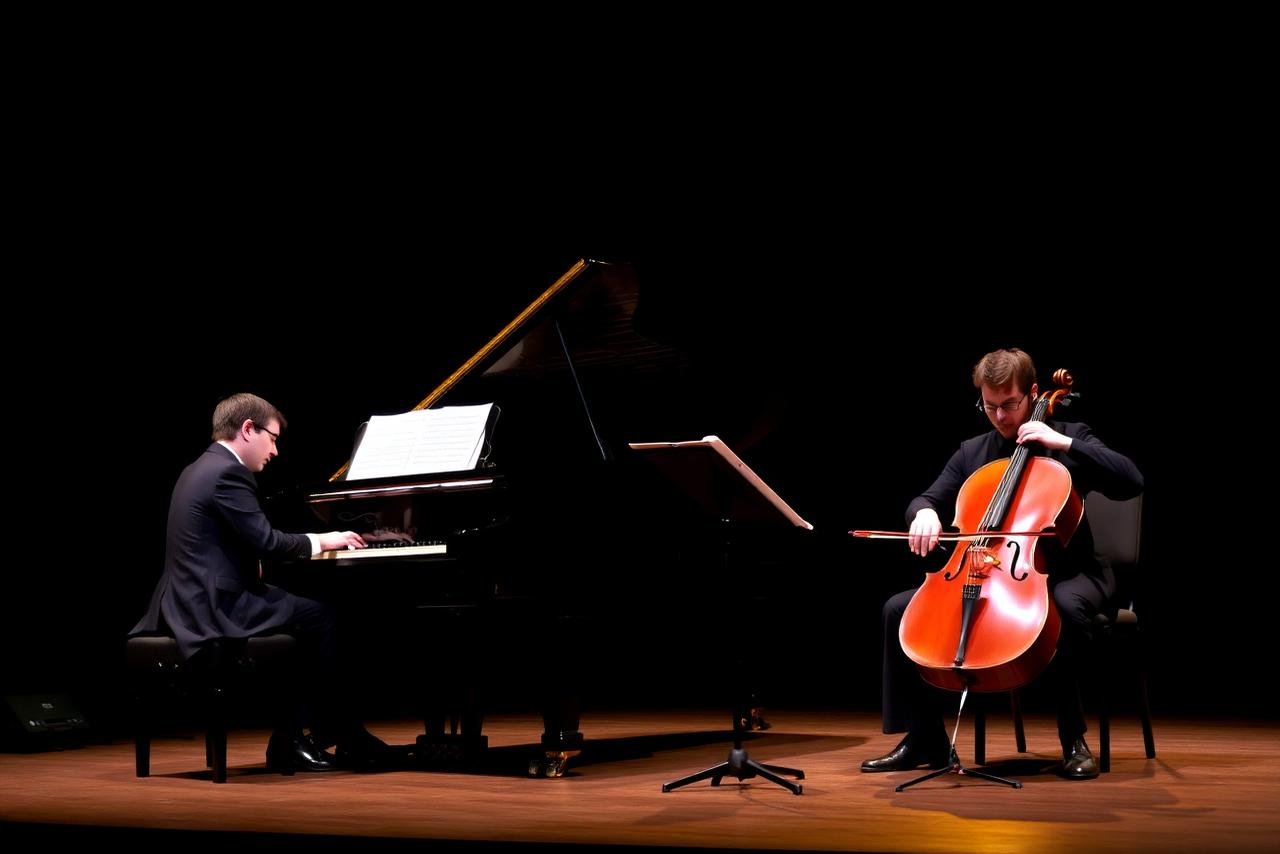
- For the Detail: A chamber serenade or a Britten choral work to appreciate the hall’s clarity.
- For the Vibe: The Viennese New Year or a "Notelets" performance if you want a more relaxed introduction to the space.
For the latest schedule of performances by the CBSO and visiting ensembles, including current pricing and availability, please consult the Bravura diary. You can also find broader context on concert-going in our guides section.