The Royal Albert Hall: a first-timer's guide
Thousands of seats, an oval plan and the Proms — how to choose where to sit in Britain's most famous room.
The Bravura editorial team
Published 7 September 2026 · Last reviewed 7 September 2026 · How we research and review
The Royal Albert Hall is an architectural anomaly that has somehow become the spiritual home of British classical music. Built in the late 19th century and modeled after a Roman amphitheatre, it is a vast, domed red-brick ellipse that dominates the southern edge of Hyde Park.
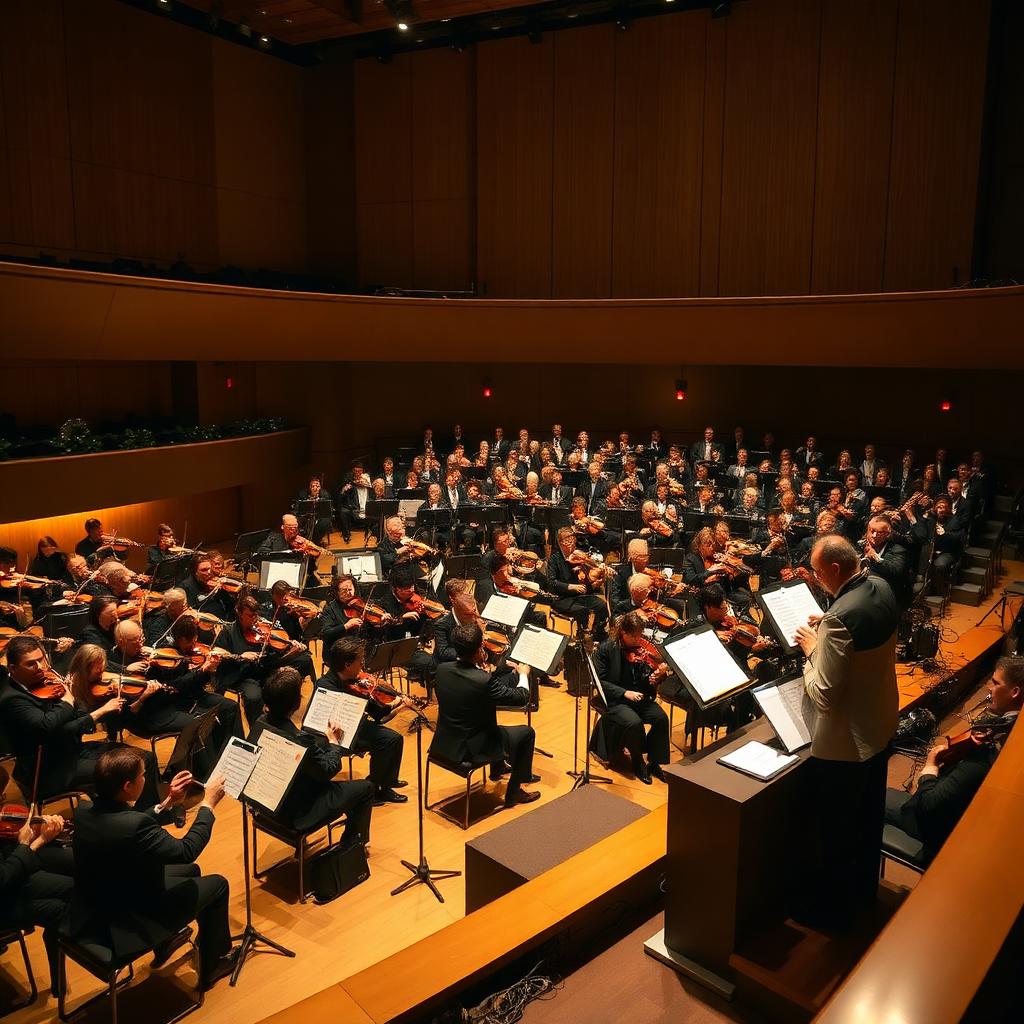
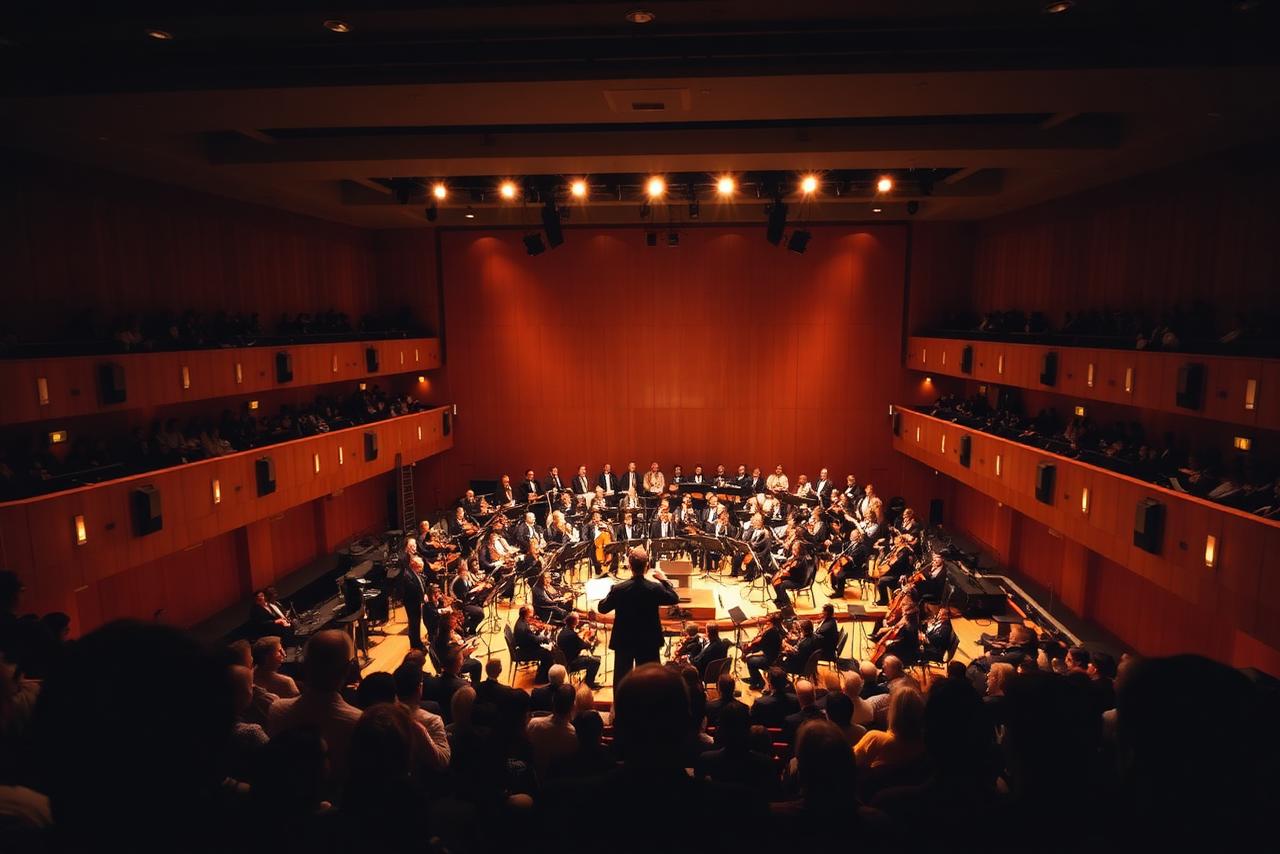
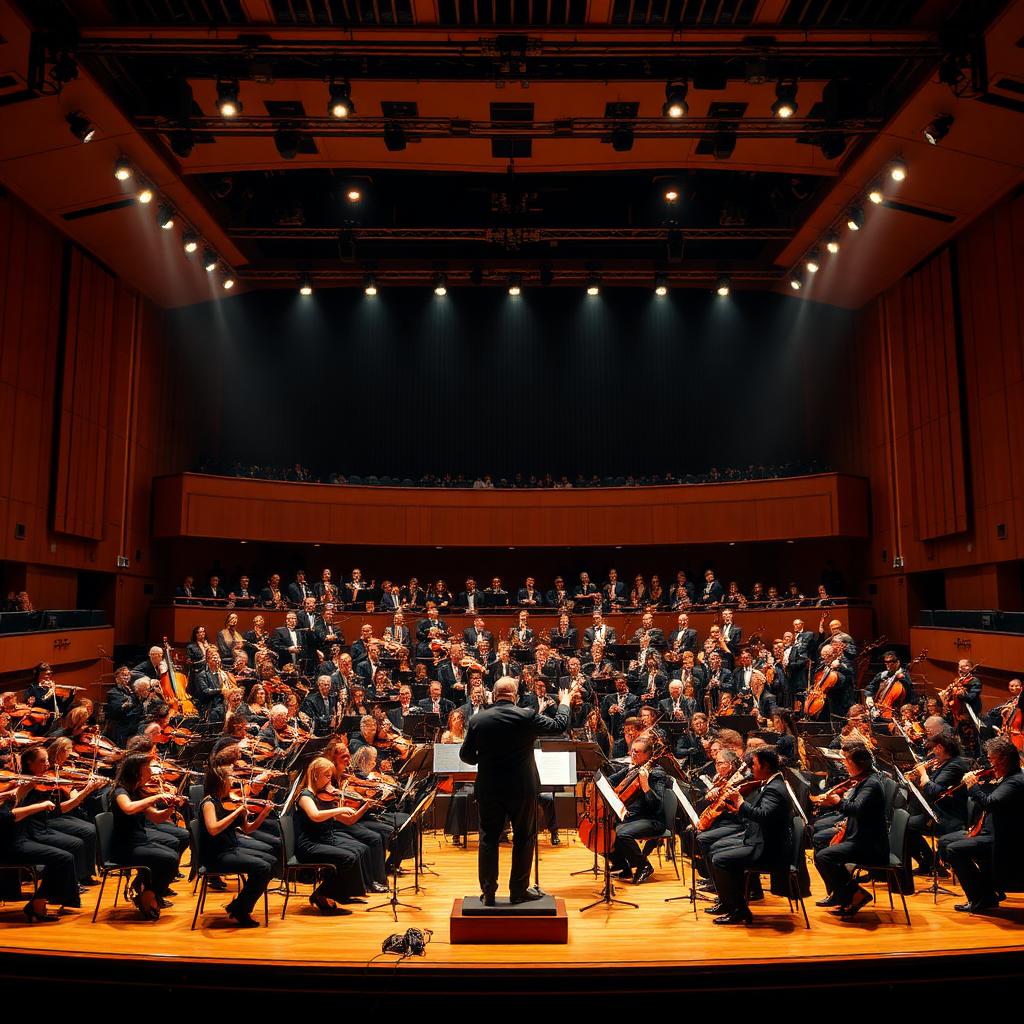
To the uninitiated, it can feel more like a sports arena than a temple of high art. It seats more than 5,000 people (and can hold a thousand more for standing events), a scale that dwarfs the typical 2,000-seat metropolitan concert hall. Because of this, the experience of hearing a symphony here is less about clinical precision and more about the visceral thrill of sound occupying a massive space.
We recommend visiting at least once, not because the acoustics are perfect — they are famously idiosyncratic — but because there is no other room in the world that generates the same level of communal electricity when the lights go down.
Understanding the "Mushrooms" and the Sound
Historically, the Hall was a nightmare for musicians. The giant glass dome created an echo so distinct that a conductor once quipped it was the only venue in London where a composer could hear his work twice. In the late 1960s, a series of large, fibreglass acoustic discs — affectionately known as the mushrooms — were suspended from the ceiling.
These discs cured the worst of the echo, but the Hall remains a "wet" acoustic environment. This means the sound lingers. A solo violin or a small choir, such as the BBC Singers, can sound ethereally beautiful here, but complex, fast-moving orchestral passages can occasionally blur into a glorious wash of noise.
For the best clarity, many regulars prefer to sit closer to the stage or lower down. However, the sheer volume of a full orchestra, such as the Royal Philharmonic Orchestra or the Berlin Philharmonic, is often best appreciated from the higher tiers, where the sound has room to bloom and blend.
A Guide to the Tiers
Choosing a seat in an oval requires strategy. Unlike a rectangular hall, where "front and centre" is the universal gold standard, the Royal Albert Hall offers different perspectives depending on your vertical and horizontal angle.
- The Arena: This is the flat floor area directly in front of the stage. For most of the year, it is filled with removable seating. During the Proms season, the seats are removed for standing "Prommers." It offers the most direct sound but can feel quite low down relative to the performers.
- Stalls: These are the seats sloping up from the Arena. They provide excellent sightlines, but check the diary for specific pricing; these are often the most expensive tickets.
- Loggia and Grand Tier Boxes: The "prestige" choice. These are private boxes ringing the Arena. They are excellent for social outings, but be aware that if you are in a side box, you will be looking at the orchestra’s profile rather than their front.
- Rausing Circle: This is the high, sweeping balcony. It is remarkably steep. If you suffer from vertigo, be cautious. However, for large-scale works like Holst’s The Planets or Mahler, the view from the Circle is breath-taking, and the sound is often surprisingly balanced.
- The Gallery: The very top level. For most concerts, this is a standing-only area. It is the cheapest place to be and offers a unique, bird's-eye view of the proceedings.
The Proms and Promming
Between July and September, the Hall hosts the BBC Proms. This eight-week festival is the reason the venue is famous worldwide. During this time, the character of the building shifts. The formal atmosphere of a London concert hall is replaced by something more democratic and boisterous.
"Promming" refers to the tradition of buying low-cost standing tickets on the day of the performance. These tickets allow you to stand in the Arena (the "Pit") or the Gallery. Prices for these can be as low as £6–£8, representing some of the best value in global arts.
"There is a specific kind of silence that only five thousand people can make; it is heavier and more expectant than the silence of five hundred."
Be warned: standing for a two-hour Mahler symphony or a Rachmaninov Piano Concerto requires stamina. If you are new to the experience, we suggest aiming for the Arena to be close to the action, or the Gallery if you want to lean against the wall and enjoy the view.
Beyond the Classics
While the Hall is the home of the BBC Symphony Orchestra during the summer, its year-round programming is diverse. It frequently hosts large-scale ballet, such as the English National Ballet, who often perform "in the round." This is a spectacular way to see dance, as the choreography is adapted to be viewed from 360 degrees.
You will also find "Live in Concert" film screenings, where a film like Harry Potter and the Philosopher’s Stone is projected on a giant screen while the Royal Philharmonic Concert Orchestra plays the score live. These are excellent entry points for those who are nervous about traditional concert etiquette.
Practicalities: Arrival and Access
The Hall is located in Kensington, a fair walk from the nearest Tube stations (South Kensington, High Street Kensington, or Knightsbridge). Allow 15 minutes for the walk from the station.
- Security: Expect bag checks at the door. Travel light to speed up your entry.
- Timing: Doors usually open 45 minutes before the start time. For popular events like the Last Night of the Proms, queues can form early, but for standard evening concerts, arriving 20 minutes before the baton drops is sufficient.
- Dress Code: There is no official dress code. You will see people in dinner jackets sitting next to people in hiking gear. The general rule is to wear what makes you comfortable, though the building itself is grand enough that many people enjoy dressing up.
- Access: Despite its Victorian bones, the Hall has made significant strides in accessibility. There are lifts to all levels, though some areas of the Circle and Gallery still require navigating steep steps. We recommend checking the venue's specific access page if you have mobility requirements.
Honest Drawbacks
It would be remiss not to mention the scale. If you are sitting in the back of the Circle, the performers will look like ants. The intimacy of a chamber recital can sometimes be lost in such a cavernous space.
Furthermore, the bars and corridors can become incredibly congested during intervals. If you want a drink, we strongly advise pre-ordering at one of the many bars before the show starts to avoid spending your entire break in a queue.
Lastly, the temperature can fluctuate. In the height of summer during the Proms, the Arena can become very warm. Conversely, in the winter, the sheer volume of the space means it can feel drafty in certain spots. Layers are your friend.
Making a Choice
Whether you are there for the Munich Philharmonic playing Beethoven or a contemporary world premiere by the Jules Buckley Orchestra, the Royal Albert Hall remains a bucket-list destination. It is a place where the spectacle is as much about the audience and the architecture as it is about the music.
To see what is currently scheduled—from the Royal Philharmonic Orchestra at 80 to late-night choral sets—consult the Bravura diary. For more advice on other London venues, visit our guides page.