The Royal Opera House: how to go without spending a fortune
Covent Garden has the reputation and the prices — and also some of the best-value seats in London if you know where to look.
The Bravura editorial team
Published 7 September 2026 · Last reviewed 7 September 2026 · How we research and review
The Royal Opera House (ROH) is a complex beast. It is simultaneously the most prestigious stage in the United Kingdom and a public building in Covent Garden that invites you to walk in and buy a coffee in the foyer. While the ticket prices for a Saturday night gala can reach eye-watering levels, we would argue that it remains one of the most accessible major opera houses in Europe, provided you understand the geometry of the room.
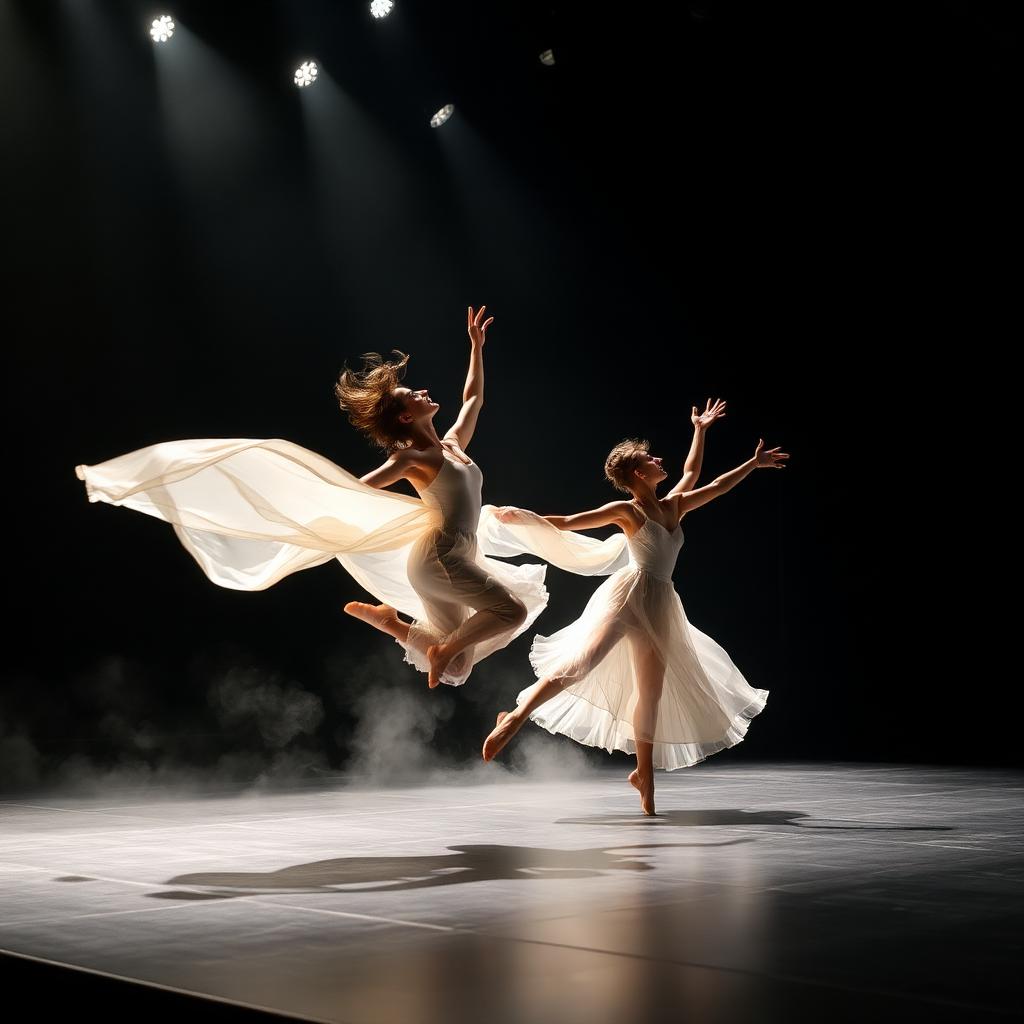
The institution has recently rebranded its resident companies as The Royal Ballet and Opera, a move that clarifies who actually lives there. Whether you are there for Mozart’s Don Giovanni or a new contemporary dance piece like The McRae / Vassilev Project, the building operates with a specific kind of choreographed efficiency.
The character of the room
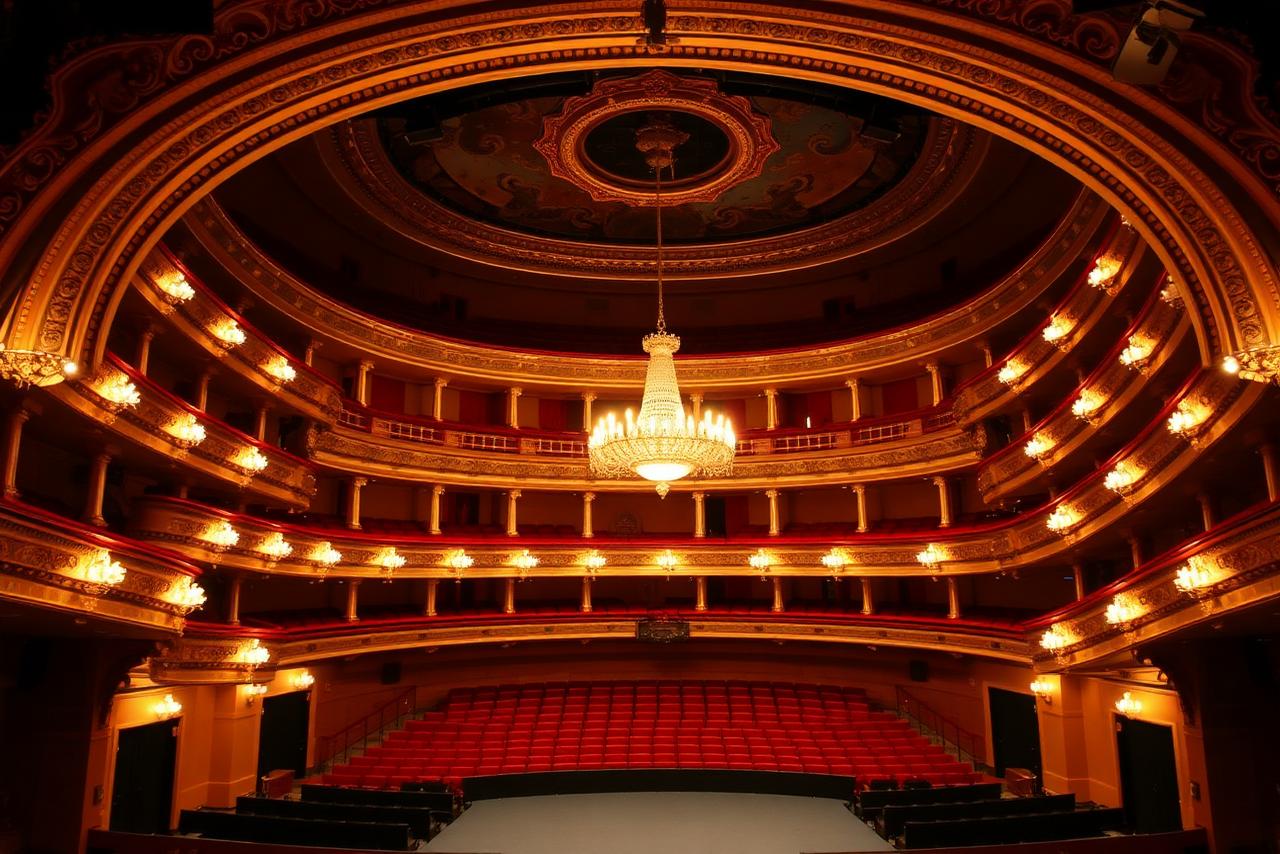
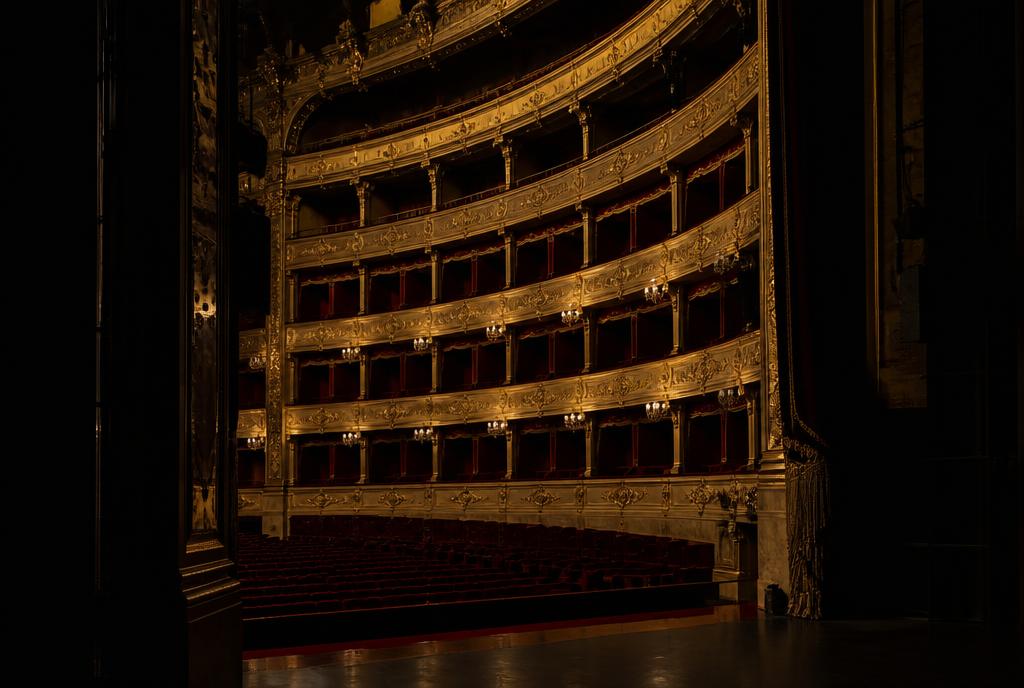
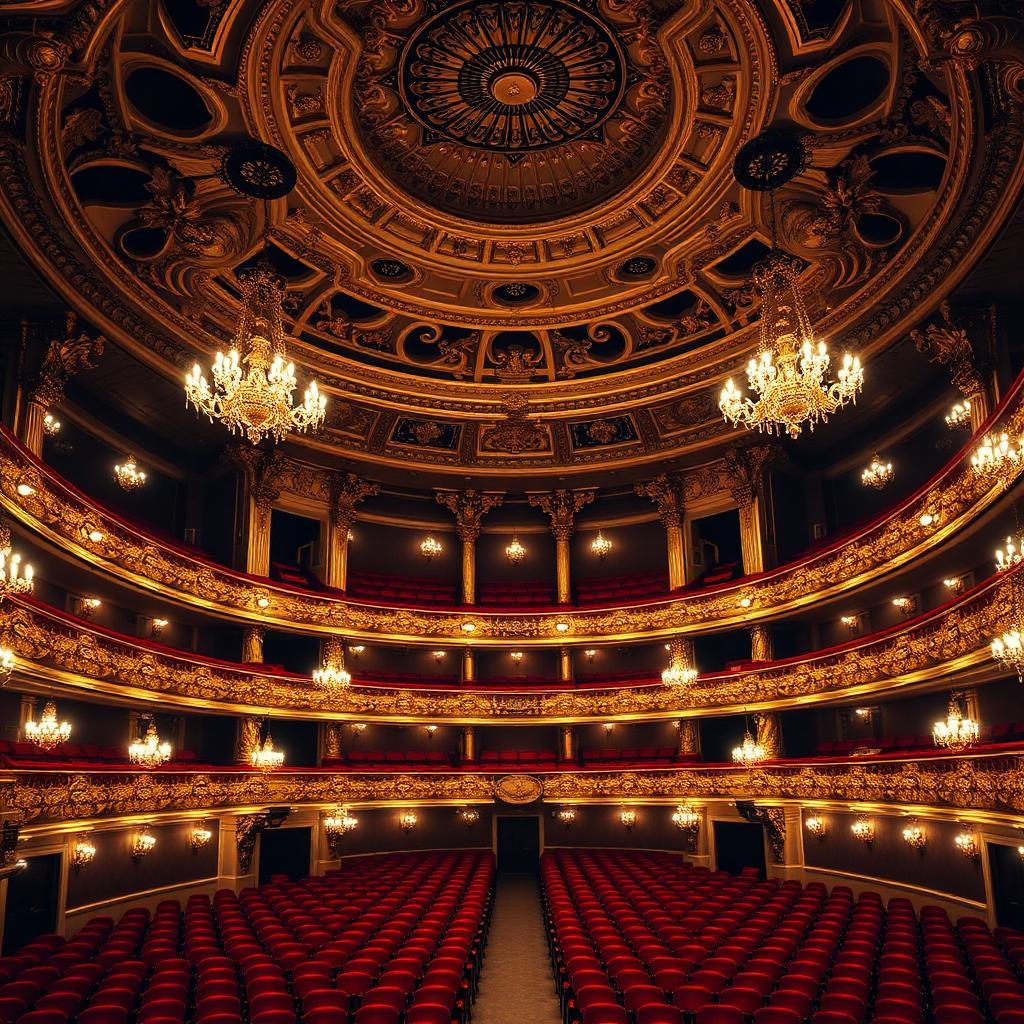
The current auditorium is the third on this site, dating back to 1858. It is a classic Victorian horseshoe: intimate, plush, and deceptively steep. Unlike the expansive, modern concrete halls you might find in Germany, the ROH feels like a red-and-gold jewellery box.
The acoustics are generally excellent, though they favour different things depending on where you sit. The closer you are to the stage, the more you hear the physical grit of the performance — the thud of a dancer’s landing or the sharp intake of a soprano’s breath. The higher you go, the more the sound blends into a single, shimmering entity.
Understanding the tiers
Choosing a seat here is an exercise in trade-offs. The house is divided into several distinct levels, and the price difference between them can be hundreds of pounds.
- The Stalls: These are the seats on the ground floor. You are close to the orchestra pit and the action. The view is clear, but you lose the "pattern" of the choreography in a ballet.
- The Stalls Circle: A ring of seats just behind and slightly above the Stalls. Be careful here; the overhang of the Grand Tier can cut off the top of the stage if you are right at the back.
- The Grand Tier: The "prestige" level. This is where you’ll find the Royal Box and the best overall perspective for ballet. It is also where the tickets are most expensive.
- The Balcony and Amphitheatre: These are the upper reaches. The Amphitheatre (or "the Amphi") is the largest section of the house and, for our money, offers the best value. The rake is steep, meaning you rarely have a head blocking your view, and the acoustic clarity is superb.
Where the value hides
If you are looking for the "Bravura" way to see opera without a second mortgage, look to the sides of the Amphitheatre or the Upper Slips.
The Slips are long benches high up on the side walls. They are arguably the least comfortable seats in London, and you will have to lean forward to see the stage. However, for a long Wagner opera or a popular Handel production like Alcina, they offer a way to hear world-class singing for the price of a cinema ticket.
The secret to the Royal Opera House isn't finding the cheapest seat, but finding the seat where the compromise feels worth it.
We suggest checking the sightline icons on the booking map carefully. "Restricted view" usually means a pillar is in the way, or you can only see two-thirds of the stage. For a recital or a vocal-heavy opera, this might not matter. For a grand ballet, it is a dealbreaker.
Arriving and timings
The ROH is located in the heart of Covent Garden. While there are multiple entrances, the main glass-fronted "Bow Street" entrance is the most straightforward.
- Timing: Aim to arrive at least 30 minutes before the curtain. The security checks are efficient but the building is a labyrinth of escalators and narrow stairs.
- Latecomers: The policy is strict. If you miss the start, you will usually be held in the foyer and forced to watch the performance on a monitor until the interval. For some operas, this might mean waiting 90 minutes.
- Intervals: They are usually 20 to 25 minutes. If you want a drink, pre-order it online or at the bar before the show starts. The stampede for the Paul Hamlyn Hall bar is legendary and best avoided if you haven't pre-planned.
Dress codes and atmosphere
There is a persistent myth that you need a tuxedo or a ballgown to enter. This is untrue. While you will see people in formal wear — usually on Friday or Saturday nights — you will also see people in jeans and jumpers, particularly in the upper tiers.
We suggest a "smart-casual" approach. The building gets surprisingly warm once the lights go down and the house is full, so layers are your friend. The only real faux pas is wearing a large hat or keeping your phone on silent-but-vibrating; the acoustic is so sensitive that the "buzz-buzz" of a notification can be heard three rows away.
Honest drawbacks
No venue is perfect. The most significant drawback of the ROH is the physical constraint of a 19th-century building. The legroom in the Amphitheatre is tight; if you are over six feet tall, you will likely find your knees pressed against the back of the seat in front.
Furthermore, the "Upper Slips" and side balcony seats require a degree of physical agility to climb into, and they are not for those who suffer from vertigo. If you have mobility issues, the house has several lifts and designated accessible spaces, but these should be booked well in advance. Check the /guides section for more on accessible concert-going in London.
Surtitles and language
Almost all opera at the ROH is performed in its original language. To help you follow the plot, surtitles (translations) are projected onto a screen above the stage.
If you are sitting in the front rows of the Stalls, you might find yourself craning your neck up to read them and then back down to see the singers. This is another reason why the Amphitheatre is often better: the screen and the stage are in the same line of sight.
Finding what's on
The repertoire at Covent Garden is a mix of the familiar and the experimental. You will regularly find staples like Don Giovanni alongside new commissions and lunch-time recitals. The latter are an excellent, low-stakes way to experience the building's acoustics without the four-hour commitment of a full opera.
The /calendar contains the most up-to-date listings for the Royal Opera House, including performances by The Royal Ballet and Opera and visiting companies like the Birmingham Royal Ballet.
To see what is currently bookable and to compare prices for upcoming performances, visit the Bravura diary.