Classical music in Liverpool: the Phil, the Hall and 185 years of habit
Britain's oldest surviving professional orchestra, in one of its most likeable halls.
The Bravura editorial team
Published 4 September 2026 · Last reviewed 4 September 2026 · How we research and review
Liverpool is a city that wears its musical identity with a specific kind of pride. While the world usually looks to the Mersey for pop history, the city’s relationship with orchestral music is arguably more deep-seated. Since 1840, the Royal Liverpool Philharmonic Orchestra (RLPO) has been the heartbeat of the local scene, making it the oldest surviving professional orchestra in the UK.
For the listener, Liverpool offers a refreshingly unpretentious experience. It avoids the stiff formality sometimes found in London’s Southbank or the Barbican. Here, classical music feels like a civic habit rather than a niche luxury. Whether you are heading to the Art Deco splendour of Hope Street or the sleek acoustics of the university’s new concert spaces, the atmosphere is generally warm and the standard of performance consistently world-class.
The Philharmonic Hall: Art Deco at its Finest
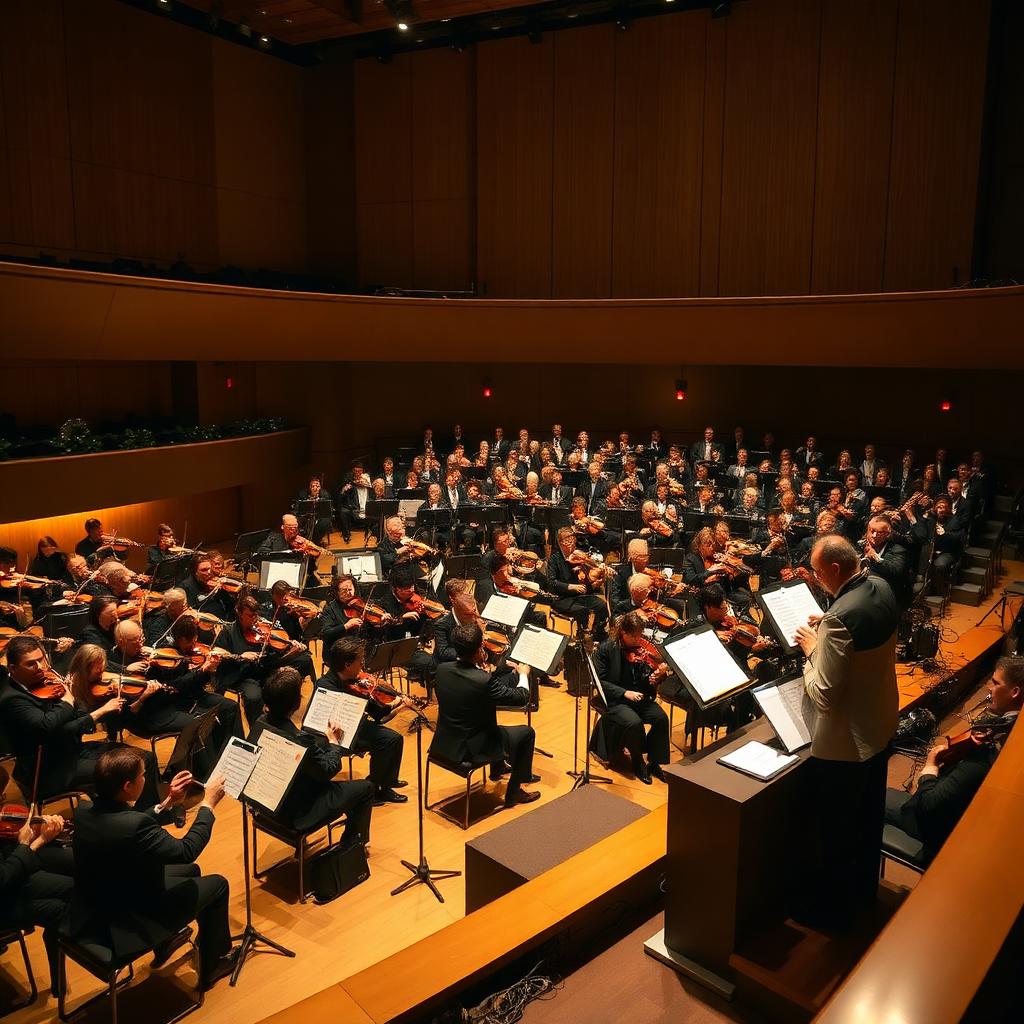
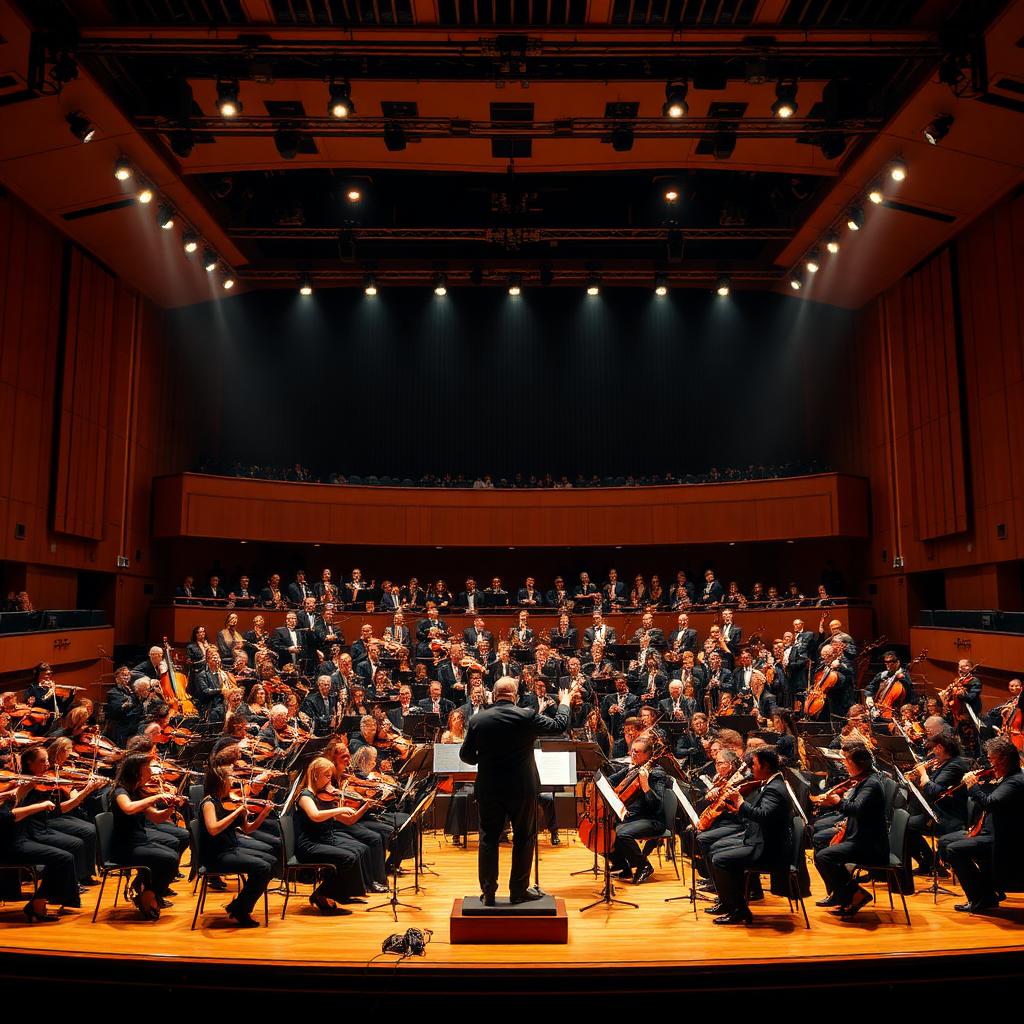
Most of your time in Liverpool will likely be spent at the Liverpool Philharmonic Hall. The building itself is an Art Deco masterpiece, rebuilt in 1939 after a fire. It feels like a grand cinema from a lost era, with etched glass, sweeping curves, and a surprisingly intimate acoustic for its 1,700-seat capacity.
The hall is the permanent home of the RLPO, and the diary shows they dominate the schedule. The programming tends to be balanced: you will find the heavy-hitters of the Romantic repertoire — Mahler, Elgar, and Strauss — sitting alongside adventurous new commissions. The hall also houses the 'Music Room,' a smaller, flexible space at the back of the building used for chamber music and contemporary sets where you can get much closer to the performers.
The 'Phil' isn't just a venue; it is a survivor of a more confident age of civic architecture, where every concert feels like an event of local significance.
The Royal Liverpool Philharmonic Orchestra
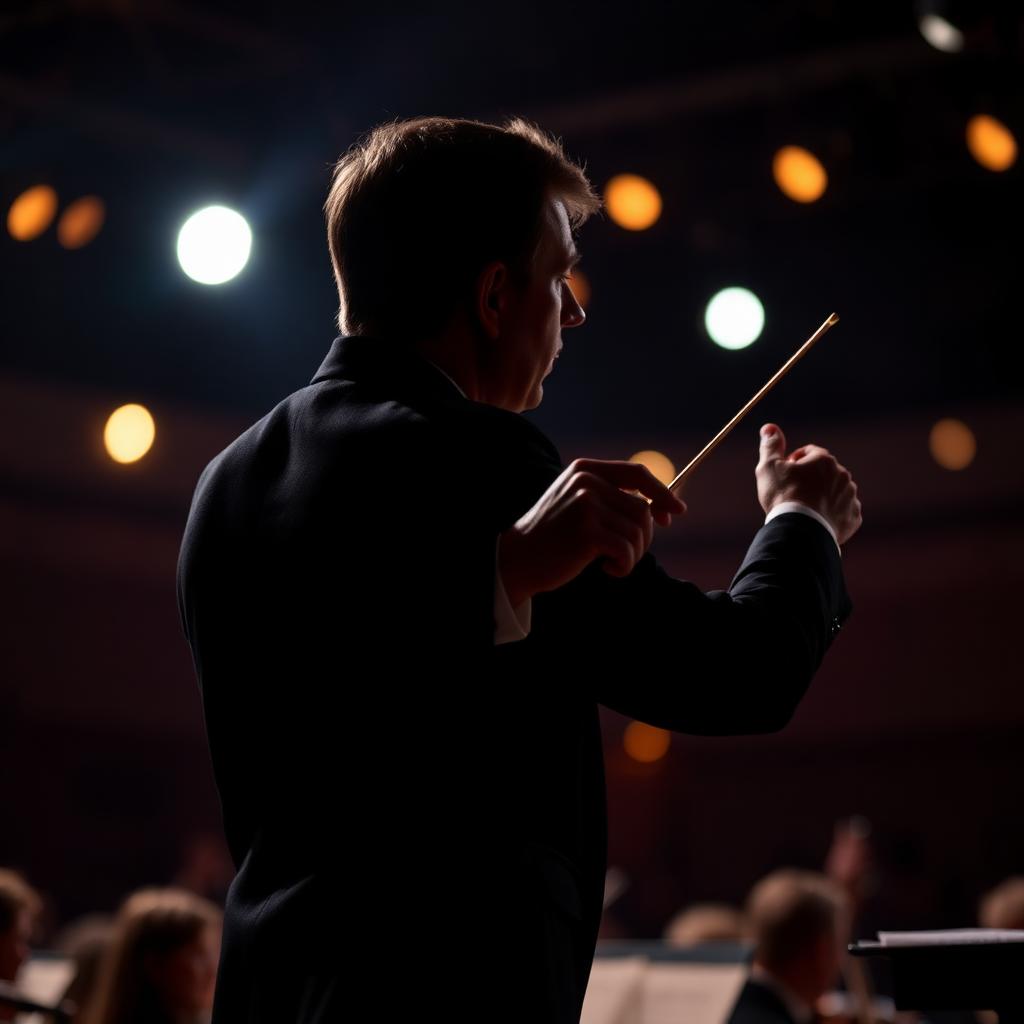
Under the current leadership of Chief Conductor Domingo Hindoyan, the RLPO has leaned into a lush, vibrant sound. The orchestra has a reputation for being exceptionally versatile. On one night, they might be tackling the primal rhythms of Stravinsky’s The Rite of Spring; on another, they are providing the cinematic sweep for a Classic FM gala or a John Williams retrospective.
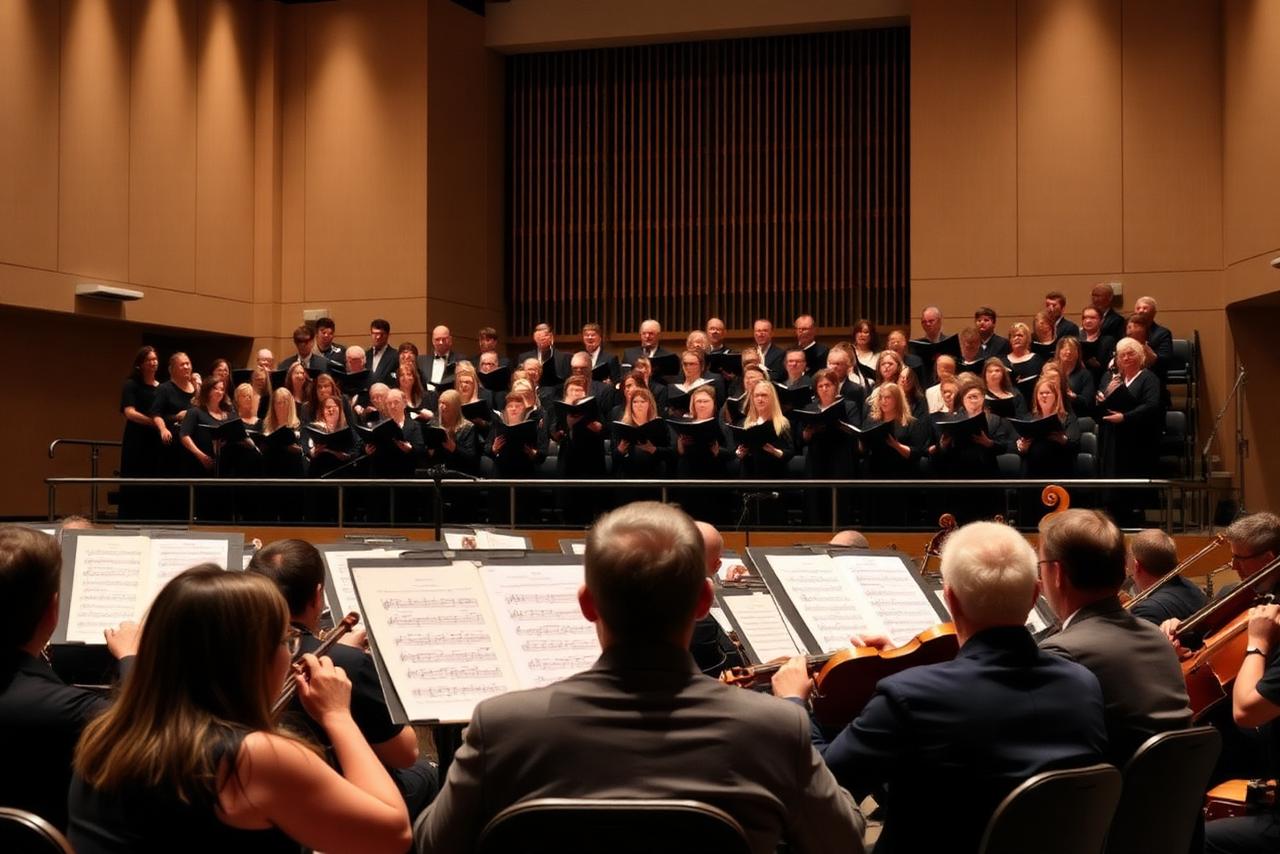
We recommend looking out for their "Season Opening" or large-scale choral works. The upcoming diary includes Mahler’s Resurrection Symphony, a piece that requires a massive orchestra and chorus, perfectly suited to the scale of the Philharmonic Hall. The orchestra also makes a point of championing British music, frequently performing works by Britten and Vaughan Williams, alongside new pieces from the Rushworth Composition Prize winners.
Beyond the Big Hall: The Tung Auditorium
For a long time, the Phil was the only game in town for serious listeners. That changed with the opening of The Tung Auditorium at the Yoko Ono Lennon Centre. This is a much smaller, timber-lined room with exceptional clarity.
If you prefer the detail of a wind quintet or the intensity of contemporary music, this is where you should look. It is the primary home for the '10:10' ensemble, the Philharmonic’s contemporary music arm. Their programmes, such as Different Trains: Made in Liverpool, often feature world premieres and 20th-century landmarks by composers like Steve Reich or Mark Simpson. It offers a sharper, more modern contrast to the grander traditions of Hope Street.
Chamber Music and Small Ensembles
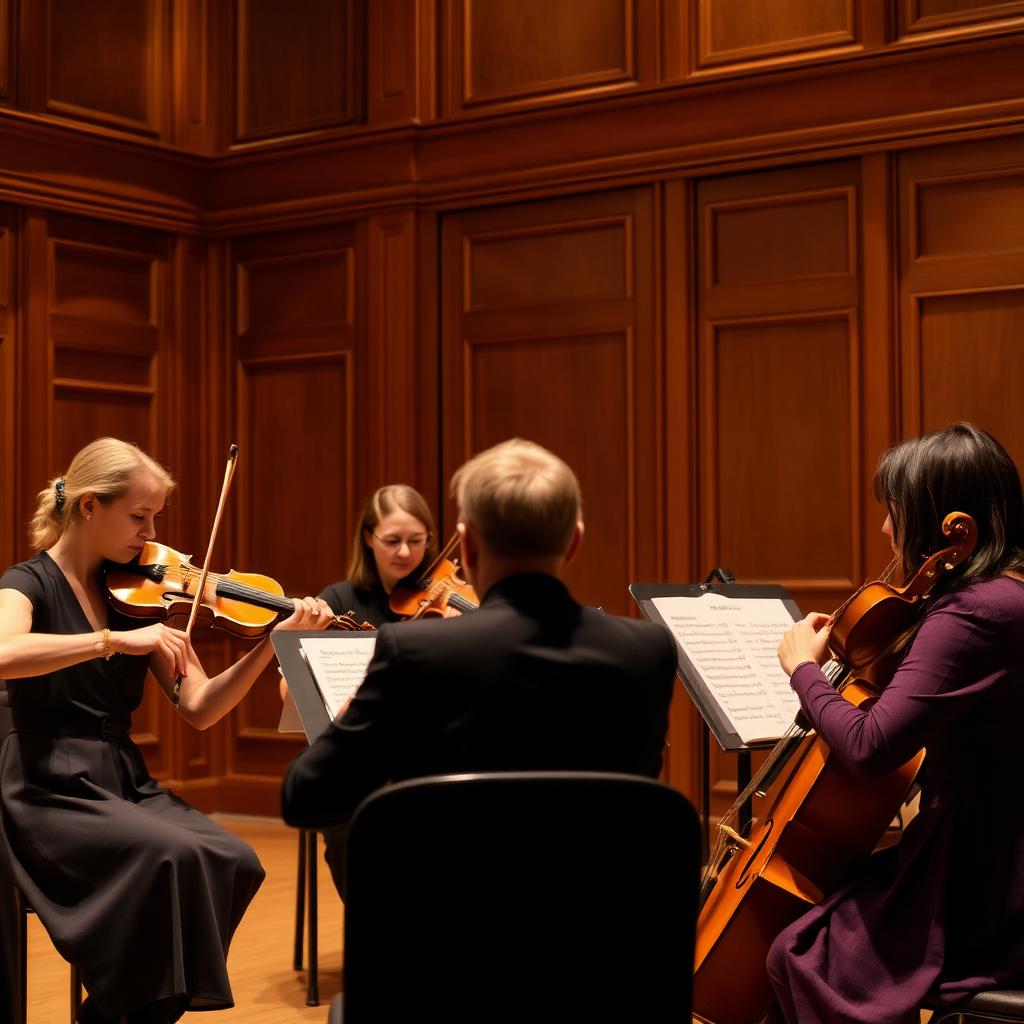
Liverpool’s chamber scene is surprisingly dense for a city of its size. The RLPO’s own musicians often break off into smaller groups, such as the Liverpool String Quartet or the Hope Street Ensemble, to perform in the Music Room or local churches.
- The Music Room: Great for informal, "up-close" recitals.
- Trio Bel Canto: Look for woodwind and piano trios featuring Poulenc or Beethoven.
- Recitals: International soloists like Nobuyuki Tsujii frequently visit for solo piano programmes, often performing works by Chopin or Liszt.
These smaller performances often bridge the gap between the monumental orchestral season and the more experimental fringes of the city's music scene.
Ballet and Opera
While Liverpool does not have a resident opera company, the city is a major stop for national tours. The Liverpool Empire, a vast touring house, is the place to see large-scale productions. The English National Ballet is a regular visitor, bringing classic stagings like Rudolf Nureyev’s Romeo & Juliet set to Prokofiev’s score.
For opera, the diary occasionally features semi-staged performances or choral masterpieces at the Philharmonic Hall. While you won't find a weekly opera schedule, the quality of what does arrive is usually high, benefitting from the large pits and stages of the city’s Victorian and Edwardian theatres.
Practicalities: Booking and Prices
Liverpool is one of the most affordable cities in the UK for high-end classical music. Tickets for major orchestral concerts often start as low as £10, making it accessible to students and first-timers alike.
- Pricing: The typical lowest price is £10, though premium seats in the centre of the stalls or the front of the circle will naturally be higher.
- Dress Code: There isn't one. You will see people in suits and people in jeans. The city is famously stylish, but that style is personal rather than prescriptive.
- Timing: Most evening concerts start at 7:30 PM. The Philharmonic Hall has several bars, and the surrounding Hope Street area is arguably the best part of the city for a pre-concert meal.
- The Rushworth: The Philharmonic has a long history of supporting new talent; if you see a 'world premiere' listed, it is often a work by a local composer funded by the Rushworth Trust.
Planning Your Evening
If you are visiting for the first time, we suggest focusing on the Hope Street corridor. The area between the two cathedrals is the city’s cultural heart. You can start with a drink at the Philharmonic Dining Rooms — a pub so ornate it is Grade I listed—before crossing the street to the Hall.
For those who prefer a quieter experience, The Tung Auditorium offers a more academic, focused environment near the University of Liverpool campus. It is a short walk from the main city centre but feels worlds away from the bustle of the Liverpool One shopping district.
What to hear first
If you are looking at the Bravura diary and aren't sure where to start, these are the safe bets for a great Liverpool experience:
- A Full Orchestral Classic: Anything featuring the RLPO at the Philharmonic Hall, especially big Romantic works like Sibelius or Rimsky-Korsakov.
- The 10:10 Ensemble: If you want to hear what the future of music sounds like in a modern acoustic at The Tung.
- Solo Piano Recitals: The Mozart+ series or visiting international soloists provide a more meditative, focused evening.
For a full list of what is currently bookable, including specific programmes for the RLPO and visiting ensembles, please visit /calendar. You can also find more detailed venue overviews in our /guides section.