Classical music in Edinburgh: the Usher Hall, the Festival and the rest of the year
Everyone knows what happens in August. The other eleven months are the locals' secret.
The Bravura editorial team
Published 4 September 2026 · Last reviewed 4 September 2026 · How we research and review
Edinburgh is a city defined by its dramatic verticality and its dual personality. For three weeks in August, it is the global centre of the performing arts, a period where the International Festival brings the world’s most prestigious orchestras and soloists to the slopes of the Castle. However, the true life of classical music in the capital happens during the other eleven months.
Without the crush of the festival crowds, the city’s resident companies — the Royal Scottish National Orchestra (RSNO), the Scottish Chamber Orchestra (SCO), and the national opera and ballet companies — take over. The pace is more deliberate, the acoustics of the Usher Hall are easier to appreciate, and the prices are significantly more palatable. If you are visiting outside of the summer peak, you are not seeing a "reduced" version of the city, but rather its authentic musical heart.
The Usher Hall: A Century of Sound
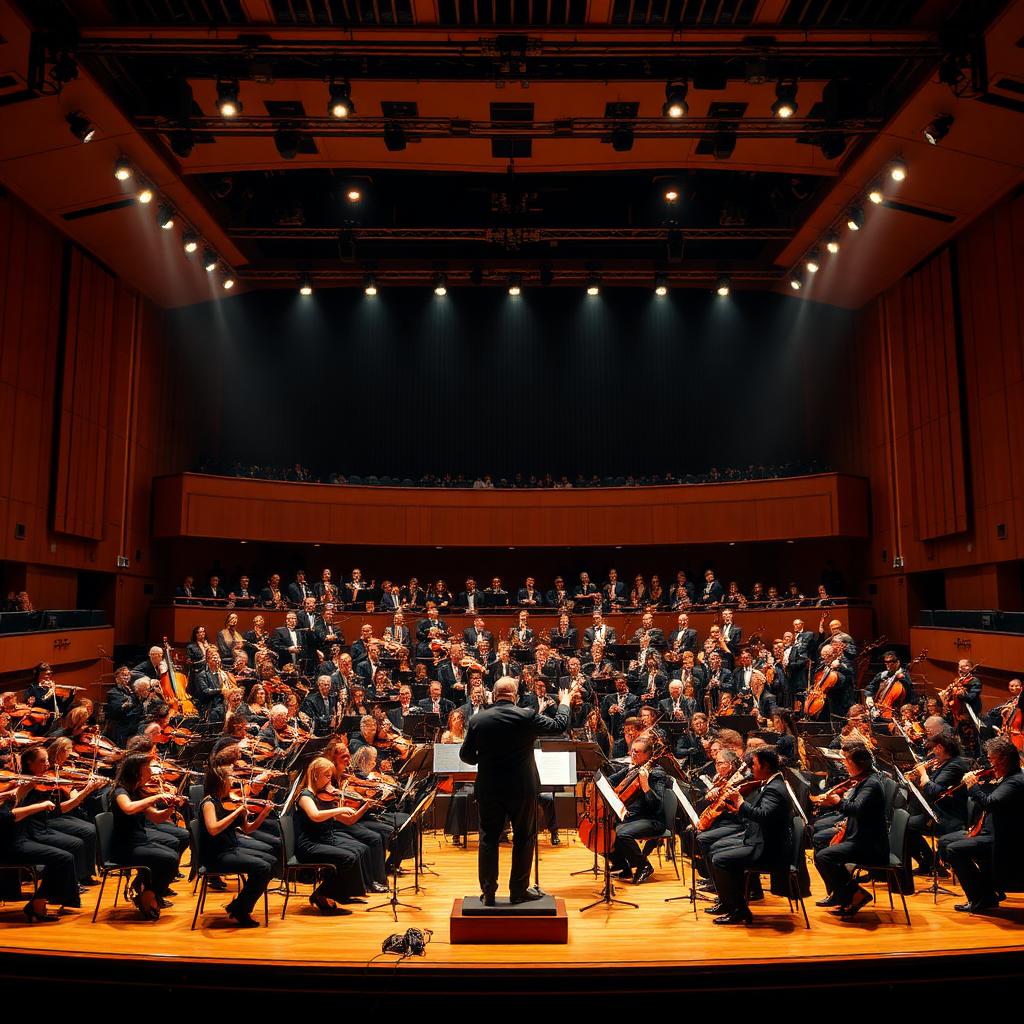
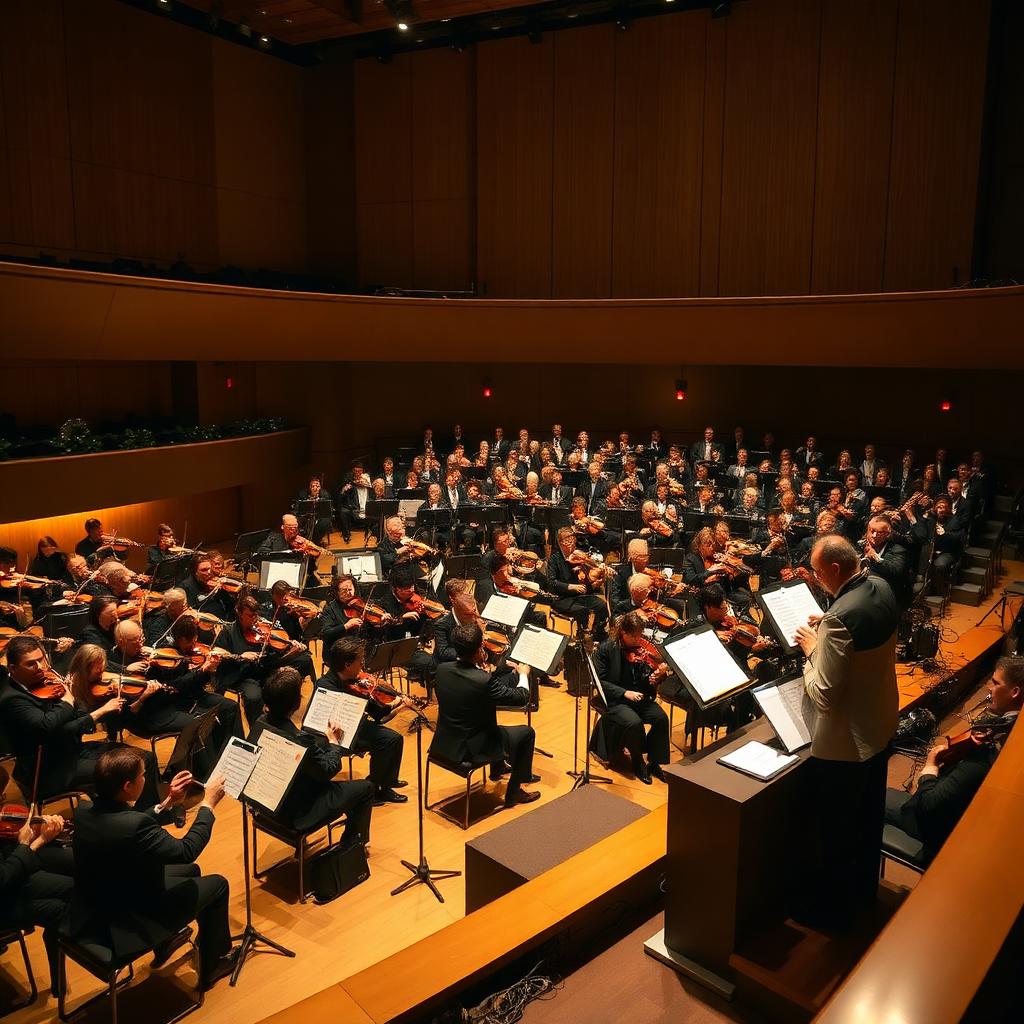
The Usher Hall is the undisputed home of symphonic music in Scotland. Opened in 1914, it is a grand, curved Edwardian barn that avoids the stuffiness often associated with such spaces. The acoustics are widely considered the best in the UK for large-scale orchestral works; it possesses a clarity and warmth that allows a single violin to be heard over a full brass section.
The layout is traditional: the Stalls, the Grand Tier, and the Upper Tier. If you value sound above all else, the Upper Tier (the "gods") offers a panoramic acoustic experience, though the stairs are steep. For a sense of occasion, the Grand Tier provides the classic view.
You will most often find the Royal Scottish National Orchestra here on Friday nights. Their programming tends toward the heavy hitters of the Romantic and 20th-century repertoire—think Shostakovich, Tchaikovsky, and Elgar. The BBC Scottish Symphony Orchestra also uses the hall for their major subscription concerts.
The Festival Theatre: Grandeur and Grit
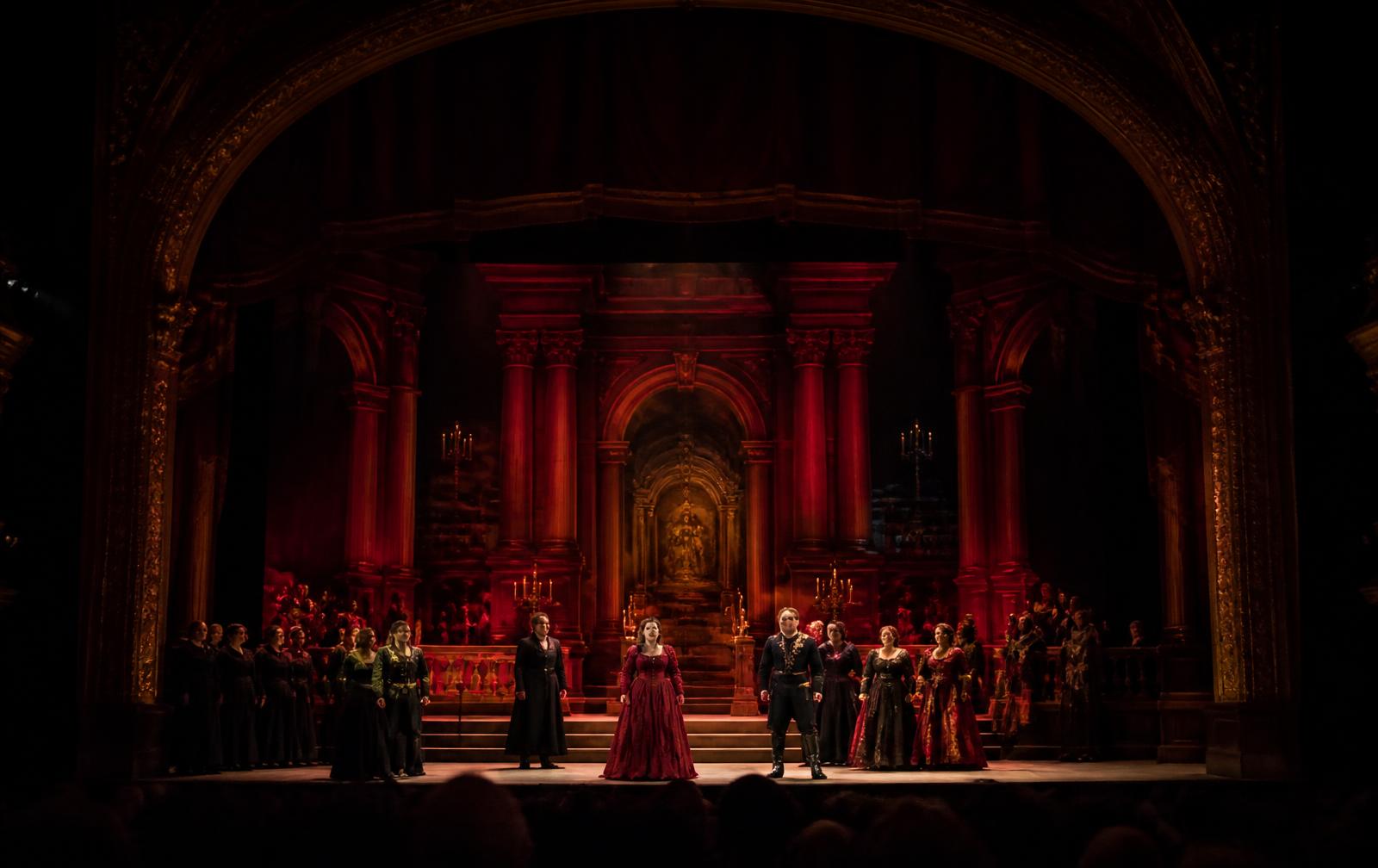
Located on Nicoloson Street, the Festival Theatre stands on the site of the old Empire Palace. Behind its modern glass facade sits one of the largest stages in the UK, framed by a beautifully preserved 1920s auditorium. This is the primary Edinburgh home for Scottish Opera and Scottish Ballet.
The theatre’s size makes it the only venue in the city capable of hosting large-scale touring productions. Because the stage is so deep, it allows for the complex technical requirements of modern ballet and grand opera. The sightlines are generally excellent, though, as with any older theatre, the very edges of the circles can occasionally obscure the rear corners of the set.
Who to Listen For
Edinburgh does not suffer from a lack of resident talent. While London orchestras often rely on freelance pools, the Scottish ensembles have a distinct, unified character born from playing together week in, week out.
- Royal Scottish National Orchestra (RSNO): The powerhouse. Expect big sounds, large choirs, and a robust approach to the Germanic and Russian classics. They are currently performing works ranging from Bach arrangements to Shostakovich’s massive Leningrad Symphony.
- Scottish Chamber Orchestra (SCO): While the RSNO provides the muscle, the SCO provides the finesse. They are internationally renowned for their Mozart and Haydn, but they are equally adept at contemporary commissions. They often perform at the Queen’s Hall, a converted chapel in the Southside that offers an intimate, almost domestic atmosphere.
- Scottish Opera: Based in Glasgow but regular residents at the Festival Theatre, they are known for imaginative stagings. Their upcoming schedule includes Puccini’s Turandot and Engelbert Humperdinck's Hansel & Gretel.
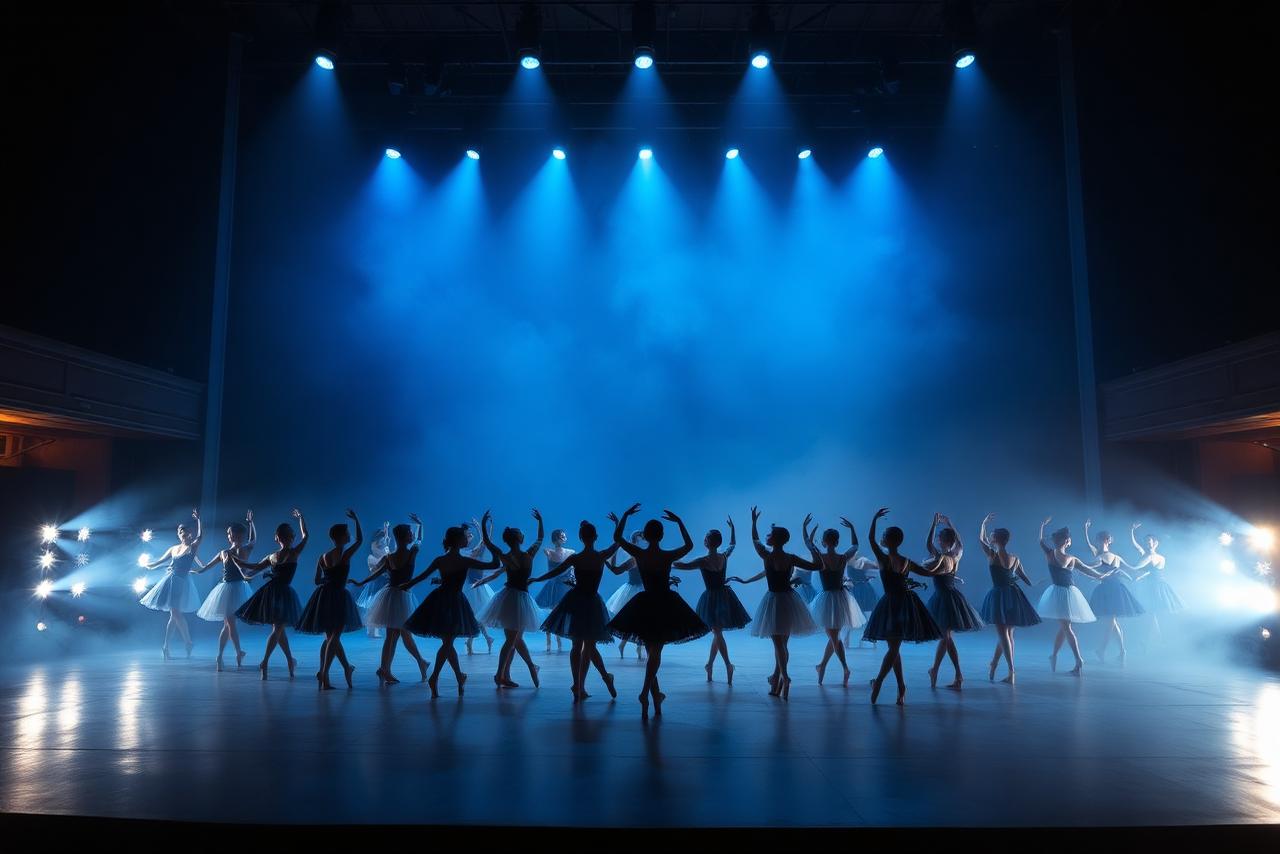
- Scottish Ballet: Scotland’s national dance company is remarkably versatile, moving between traditional narrative works like Prokofiev’s Cinders! and high-concept contemporary pieces such as Crystal Pite’s Emergence.
The Practicalities of an Evening Out
Concert-going in Edinburgh is less formal than in London or Paris. While you will see the occasional dinner jacket at a gala opening, most of the audience will be in smart-casual attire. The weather in Edinburgh is notoriously fickle; "layers" is the most important advice we can give any visitor walking between the New Town and the concert halls.
Performance times are generally standard. Most orchestral concerts at the Usher Hall begin at 7:30 PM. For opera and ballet, which can have longer running times, check the venue’s page for specific start times, as these may vary to accommodate intervals.
The Usher Hall’s acoustics are widely considered the best in the UK for large-scale orchestral works, possessing a clarity that allows a single violin to be heard over a full brass section.
Pricing and Booking
One of the greatest joys of classical music in Edinburgh is its relative affordability. While a premier seat at a London house might break three figures, the typical lowest price for a professional orchestral concert in Edinburgh starts around £15, with some tickets available from as little as £10 for students or under-26s.
- Booking: Most tickets are booked directly through the venues (the Usher Hall or Capital Theatres, who manage the Festival Theatre).
- Spontaneity: Outside of the August festival, it is often possible to get tickets on the day of the performance, though for popular works like Verdi’s Requiem or Tchaikovsky’s Symphony No. 5, booking a few weeks in advance is wise.
- The Pitlochry Connection: Occasionally, smaller-scale productions by Scottish Opera tour to the Pitlochry Festival Theatre. While this is a journey north of the city, it offers a unique way to see professional opera in a rural setting.
Planning Your Visit
If you are new to this world, we suggest starting with the symphonic repertoire at the Usher Hall. The sheer physical impact of an eighty-piece orchestra in that space is the best introduction to the medium. If you prefer storytelling, a Scottish Ballet production at the Festival Theatre offers a visual spectacle that requires no prior knowledge of the art form.
The city is small enough that you can easily dine in the New Town or the Grassmarket and walk to either major venue within twenty minutes. Just be mindful of the "Mound" — the steep hill connecting the two halves of the city — which has caught out many a concert-goer in heels.
What to Hear First
If you are browsing the Bravura diary and are unsure where to begin, consider these highlights from the upcoming season:
- For the Spectacle: Carmina Burana with the BBC Scottish Symphony Orchestra. A massive, rhythmic choral work that fills every inch of the Usher Hall.
- For the Drama: Shostakovich’s Symphony No. 5 or No. 7. These are works of intense historical weight and emotional power, perfectly suited to the RSNO’s style.
- For the Narrative: Scottish Opera’s Turandot. Puccini’s final opera contains some of the most famous melodies in the world and is visually stunning.
- For the Modernist: Crystal Pite’s Emergence with Scottish Ballet. This is world-class contemporary choreography that feels more like a nature documentary or a sci-fi film than a traditional ballet.
For a full list of what is currently bookable in the city, visit the Bravura diary. For more general advice on how to navigate a concert hall or understand an orchestral programme, see our guides section.