Classical music in Cardiff: WNO, the BBC NOW and Hoddinott Hall
A national opera company, a national orchestra and a purpose-built broadcasting hall, all within a short walk.
The Bravura editorial team
Published 4 September 2026 · Last reviewed 4 September 2026 · How we research and review
For a city of its size, Cardiff punches remarkably above its weight in the classical performing arts. It is one of the few places in the UK where you can witness the daily operations of both a full-scale national opera company and a major broadcasting orchestra within a few hundred yards of each other.
The musical heart of the city has shifted over the last two decades towards the south, specifically to the Cardiff Bay area. While the city centre still hosts grand touring concerts, the Bay is where the "home teams" — the Welsh National Opera (WNO) and the BBC National Orchestra of Wales (BBC NOW) — live and breathe. For a visitor, this means a trip to Cardiff is less about hunting for hidden recitals and more about engaging with two of the most robust institutions in British music.
The Welsh National Opera (WNO)
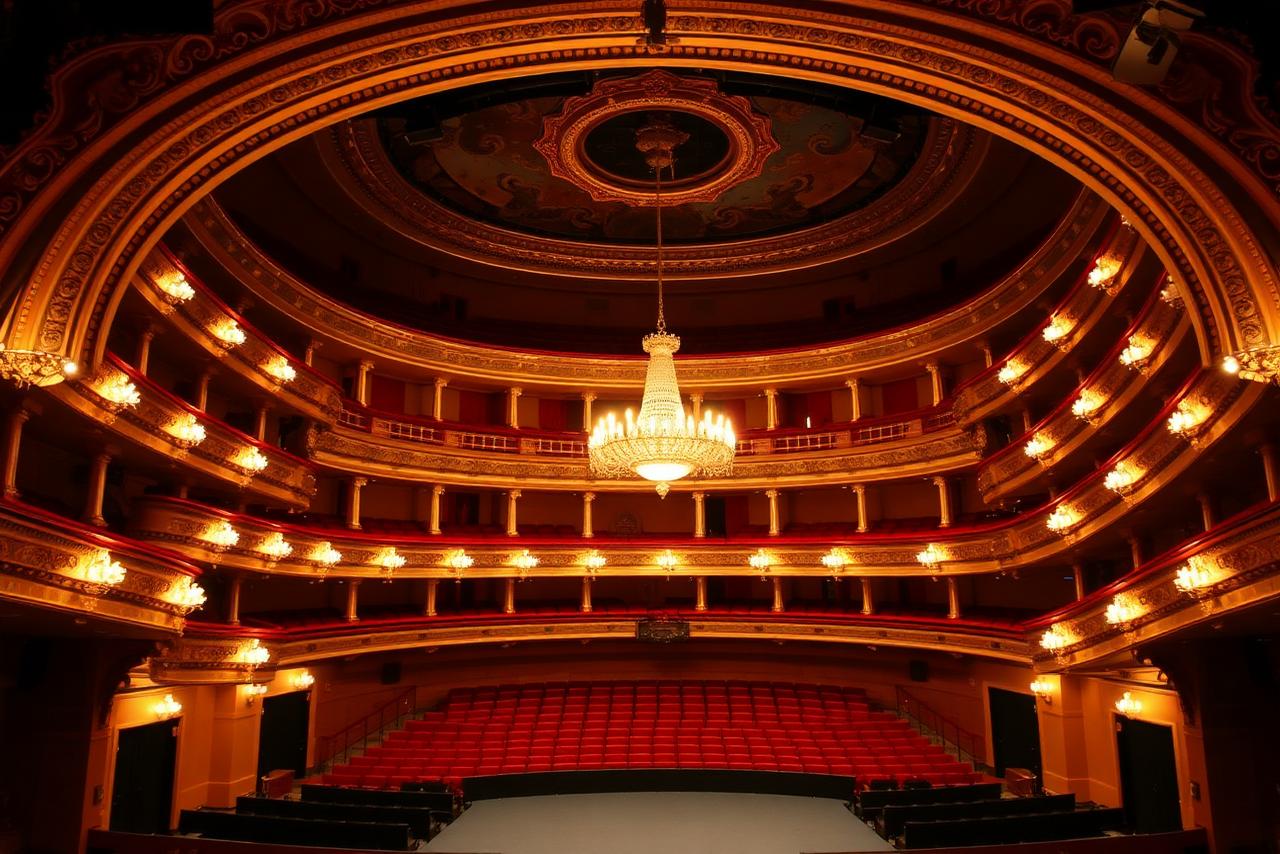
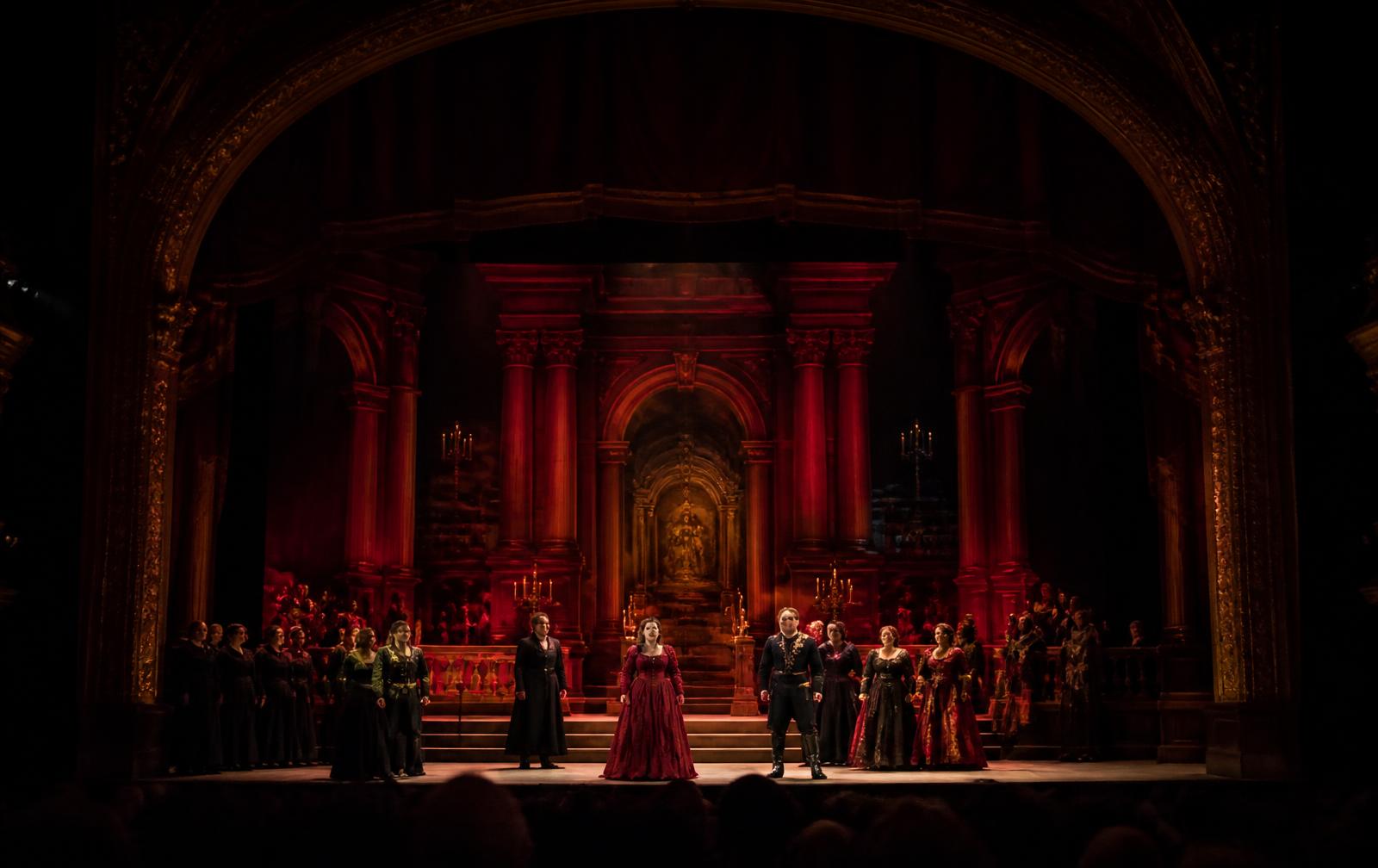
The Welsh National Opera is not just a local ensemble; it is a touring powerhouse that serves much of the UK, but its heart remains at the Wales Millennium Centre (WMC). Known for its distinctive copper-coloured façade and the enormous Welsh and English inscriptions cut into its front, the WMC is a world-class opera house with acoustics that favour the lush, expansive sound for which the WNO is famous.
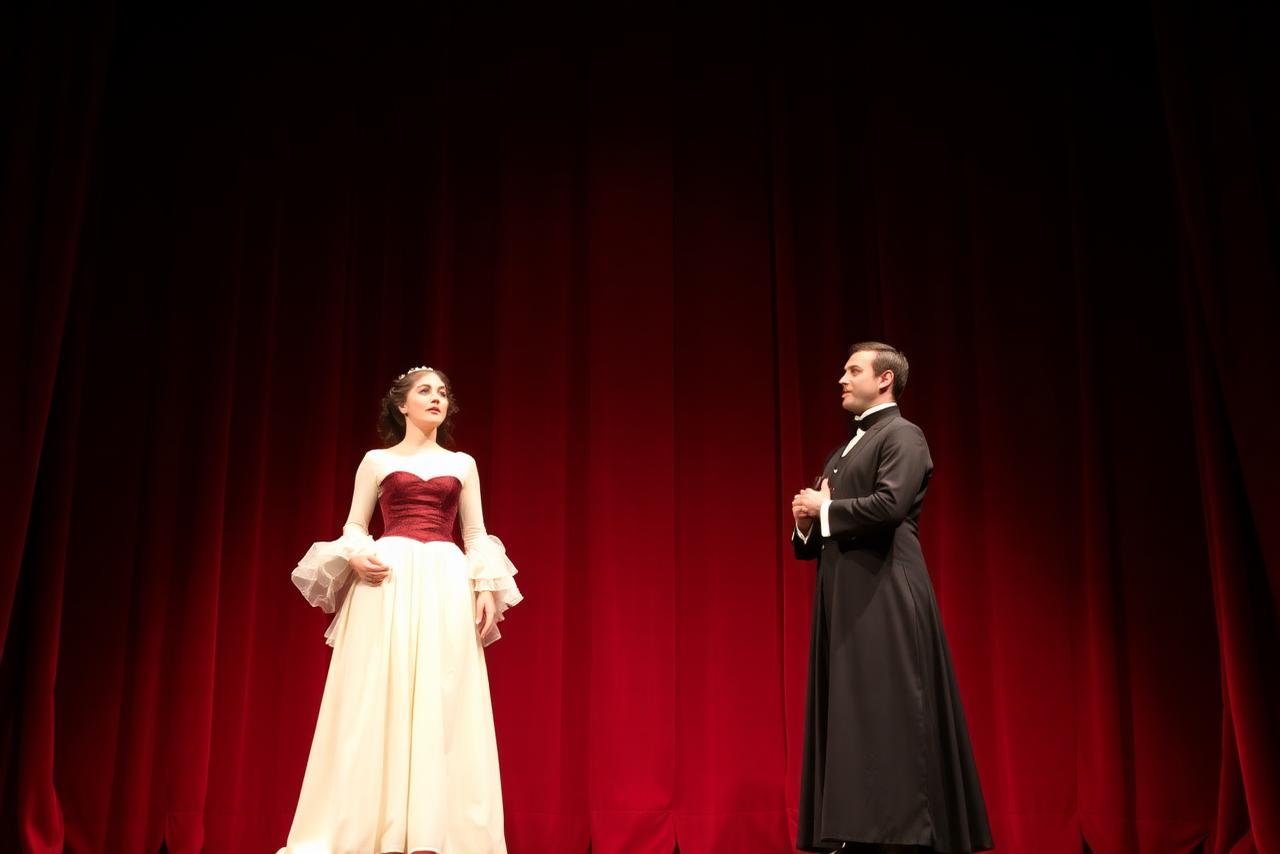
The WNO’s programming tends to balance the populist with the intellectually rigorous. You might find a staple like Puccini’s La bohème — a perfect entry point for those new to the form — running in the same season as a double bill of Bartók’s Bluebeard’s Castle and Stravinsky’s Oedipus Rex. The company is renowned for its chorus, which brings a specific, visceral power to big Romantic works.
The Cardiff experience is defined by the proximity of high art to the elements; you can leave a performance of a harrowing tragedy and be met by the bracing wind coming off the Severn Estuary within seconds.
The BBC National Orchestra of Wales
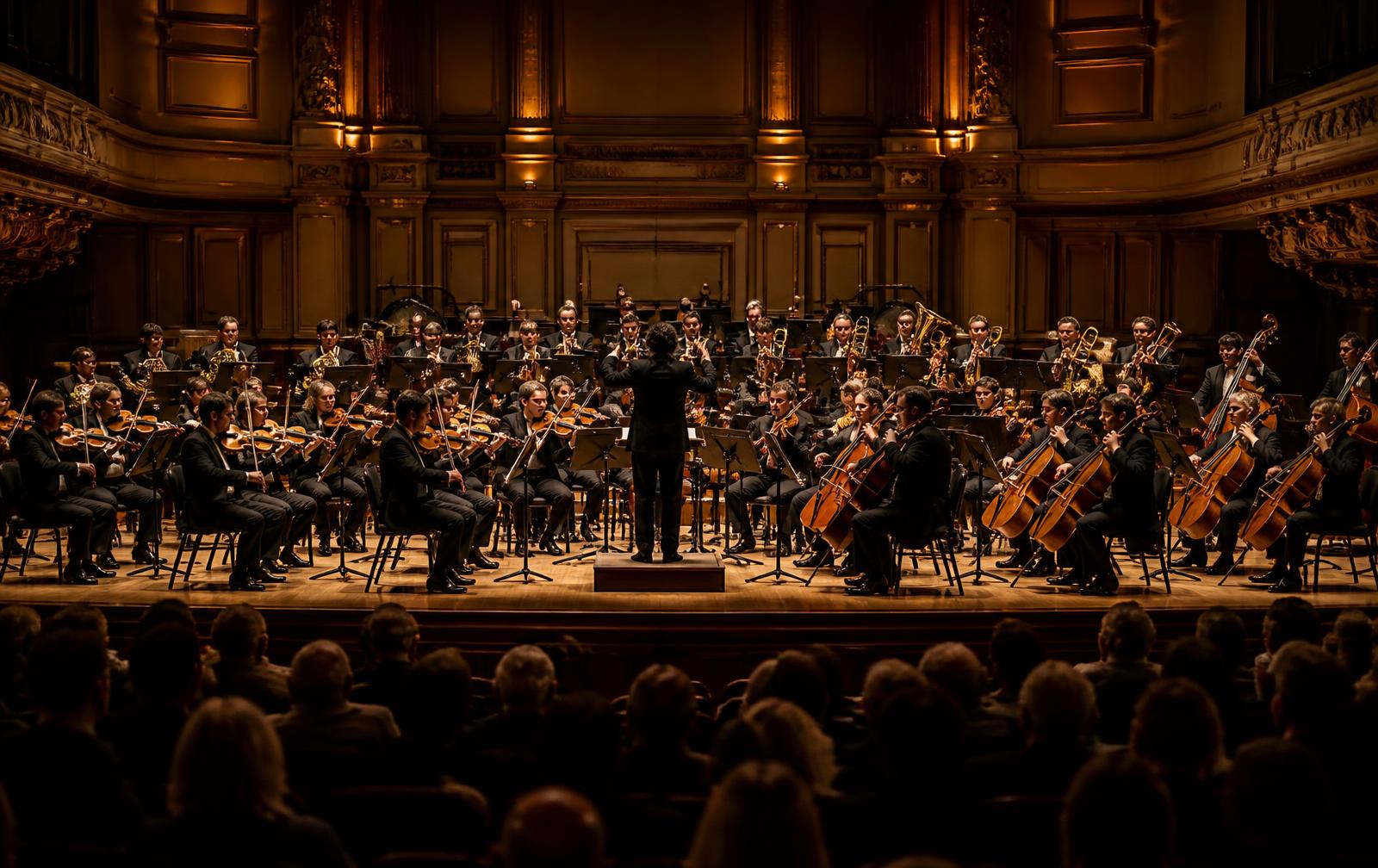
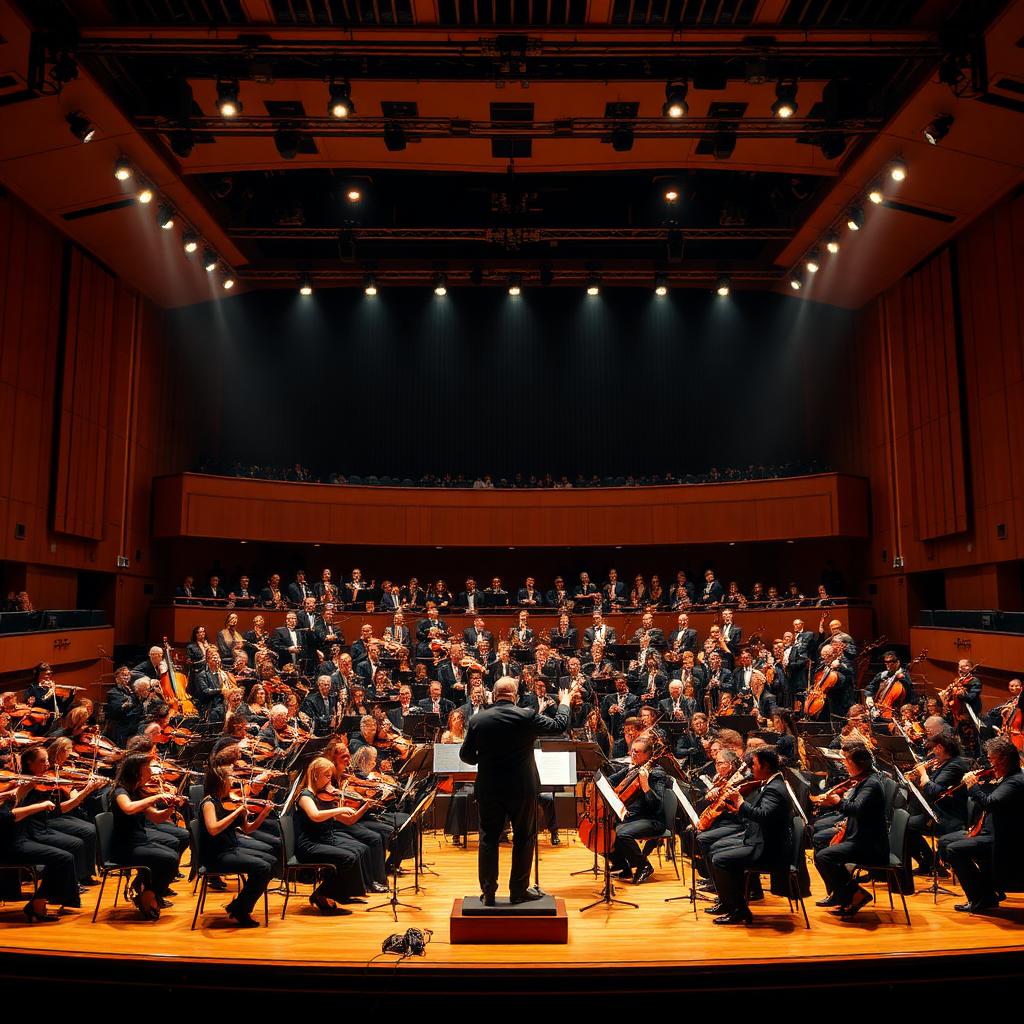
If the WNO provides the spectacle, the BBC National Orchestra of Wales provides the city’s symphonic backbone. Uniquely, they serve as both a concert orchestra and a broadcasting one, meaning many of their performances are recorded for BBC Radio 3.
The orchestra is versatile, frequently tackling everything from the core Germanic repertoire — think Beethoven’s Symphony No. 6 or Haydn’s 'Mourning' Symphony — to avant-garde premieres. They have a particular commitment to Welsh composers, often performing works by figures like Grace Williams or Alun Hoddinott. If you want to see a world-class orchestra at work without the sometimes-stiff formality of London’s Southbank, a BBC NOW concert in Cardiff is the place to do it.
The Hoddinott Hall Experience
While the Wales Millennium Centre handles the big theatrical productions, the BBC NOW’s home is tucked inside the same complex: BBC Hoddinott Hall. Named after the composer Alun Hoddinott, this is a purpose-built recording and concert space.
It is an intimate, timber-lined hall that offers a very different experience from the cavernous WMC next door. Because it was designed for broadcasting, the acoustics are exceptionally clear. It is one of the best places in the UK to hear orchestral detail. You might catch a "Discovery" concert here, or a themed programme such as their "Cities of Sound" series, which explores the musical history of places like Berlin, New York, and Vienna.
What to Hear First
If you are new to the scene, the Bravura diary suggests several ways to dive in. Cardiff is particularly good at "concept" programming — concerts built around a theme rather than just a list of pieces.
- The Grand Opera: Look for Puccini or Verdi at the Wales Millennium Centre. These are the "big nights out" with full sets and costumes.
- The Studio Session: A concert at Hoddinott Hall, such as a programme of Tchaikovsky or Stravinsky, allows you to see the orchestra up close in a modern, comfortable setting.
- The Contemporary: Cardiff is excellent at new music. Look for world or UK premieres, often conducted by rising stars or the orchestra’s Principal Conductor.
- The Family Concert: WNO and BBC NOW both frequently run events designed for younger ears, featuring excerpts from famous works like The Nutcracker or The Young Person’s Guide to the Orchestra.
Logistics and Booking
Booking in Cardiff is generally more straightforward and affordable than in London. The typical lowest price for a ticket in the city sits around £25, though you can often find entry-level seats for as little as £17.
- Venues: Most major classical events take place at the Wales Millennium Centre or BBC Hoddinott Hall. Occasionally, the BBC NOW will travel to The Riverfront in nearby Newport or other regional venues.
- Prices: Expect to pay more for opera at the WMC than for a symphony concert at Hoddinott Hall. However, even for major opera productions, there are usually tiered pricing options.
- Timing: Concerts generally start at 7:00 pm or 7:30 pm. For Hoddinott Hall, which is located at the rear of the Wales Millennium Centre complex (level 2), give yourself an extra ten minutes to navigate the building.
- Dress Code: There is no formal dress code. You will see people in suits next to people in jeans. The general rule is to be comfortable; Cardiff audiences are there for the music, not a fashion show.
Planning Your Evening
The Cardiff Bay area is well-served by restaurants and bars, ranging from quick pre-theatre chains to more independent spots. However, the area can get incredibly busy when a performance at the WMC coincides with an event at the nearby arena or a rugby match in the city centre.
If you are attending a concert at Hoddinott Hall, note that it is a "dry" hall — you can’t take drinks into the auditorium, though there is a bar in the foyer for the interval. For the WNO, the intervals are part of the experience; the foyers of the WMC are vast and offer excellent views over the Bay.
To see what is currently scheduled, including specific programmes and ticket links, you should consult the Bravura diary. For more general advice on how to get the most out of a symphonic concert or an opera, our collection of guides covers the basics of etiquette, history, and what to listen for.
Using the Diary
Cardiff’s classical scene is concentrated but active. The Welsh National Opera and the BBC National Orchestra of Wales account for the vast majority of professional classical activity in the city. Because these are both large, stable institutions, their seasons are planned well in advance.
You can check the Bravura calendar to filter by city or ensemble. Whether you are looking for a harrowing night of Strauss and Wagner or a light-hearted family introduction to the orchestra, the diary will show you what is currently bookable, where it is being performed, and the current starting prices for tickets.