Classical music in Belfast: the Ulster Orchestra and the Ulster Hall
A city with its own professional orchestra, two fine halls and short queues.
The Bravura editorial team
Published 6 September 2026 · Last reviewed 6 September 2026 · How we research and review
Belfast is one of the few cities of its size in the UK that maintains its own full-time professional symphony orchestra. For the listener, this creates a specific kind of atmosphere: the relationship between the city and its musicians is intimate, the venues are central, and the ticket prices remain refreshingly grounded.
While London audiences might spend their intervals discussing the acoustics of the Southbank versus the Barbican, Belfast listeners are more likely to be found in the Bedford Street bars discussing whether the brass section was in particularly fine form. It is a city where classical music feels less like a museum piece and more like a local industry.
The Ulster Orchestra
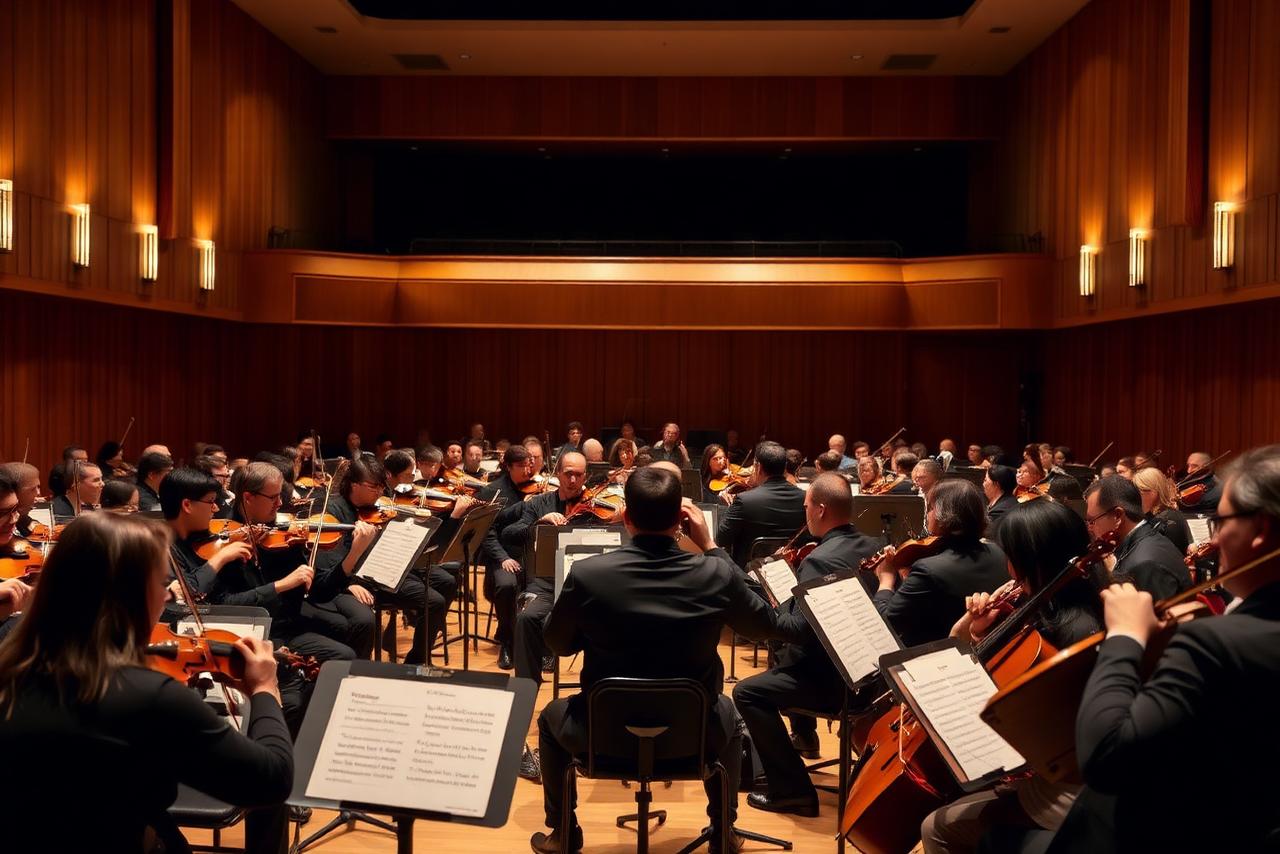
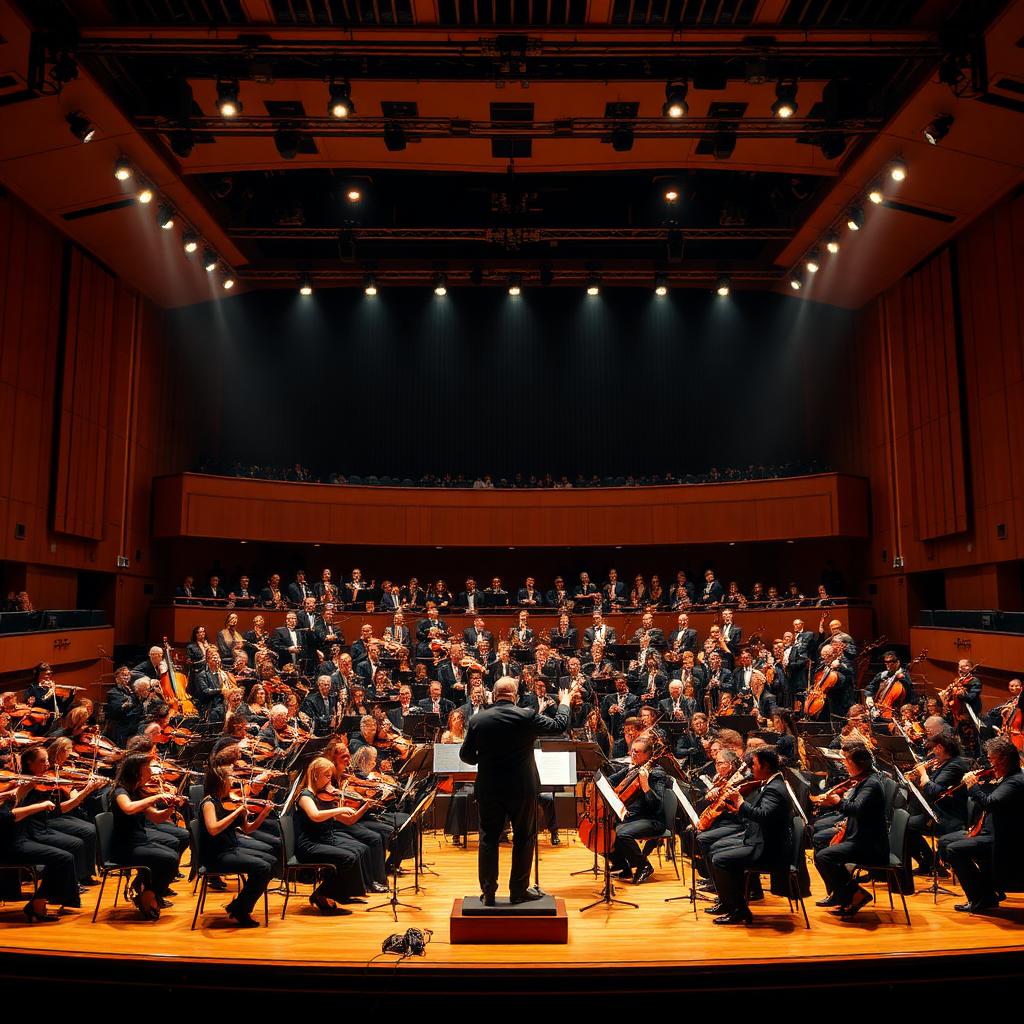
The focal point of the city’s musical life is the Ulster Orchestra. As the only professional symphony orchestra in Northern Ireland, they carry a heavy mantle, performing everything from heavy-duty Mahler to film scores and educational outreach. According to the Bravura diary, they are the primary force in the city, frequently led by high-profile conductors such as Anna Handler or Daniele Rustioni.
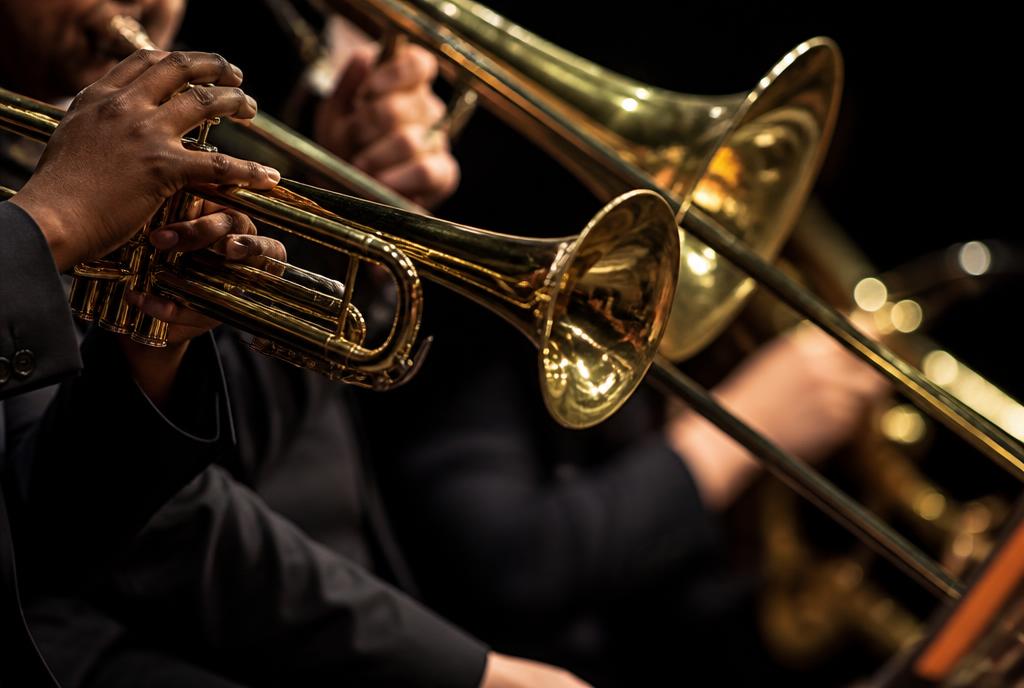
The orchestra is known for a robust, energetic sound that suits the Romantic repertoire particularly well. They have a long-standing tradition of championing Irish composers — look out for works by Hamilton Harty or Charles Villiers Stanford — but they are equally adept at the German masters. Because they play together year-round, there is a cohesive ensemble feel that you don’t always get with "pick-up" orchestras in larger metropolises.
The Ulster Hall: A Victorian Jewel
Most orchestral concerts take place in the Ulster Hall on Bedford Street. Opened in 1862, it is a classic Victorian concert hall: all ornate plasterwork, red upholstery, and a massive Mulholland Organ dominating the stage.
The acoustic here is warm and immediate. It is a "loud" hall, which means a full-blown Tchaikovsky symphony can feel thrillingly physical if you are sitting in the first few rows of the balcony.
The layout is traditional. The "Flat" (the stalls) offers a close-up view of the sweat on the conductor's brow, while the "Circle" (the balcony) provides the best acoustic balance. If you are attending a choral work, such as The Dream of Gerontius, the sight of a full choir tiered beneath the organ pipes is one of the definitive Belfast musical experiences.
The Waterfront Hall: The Modern Alternative
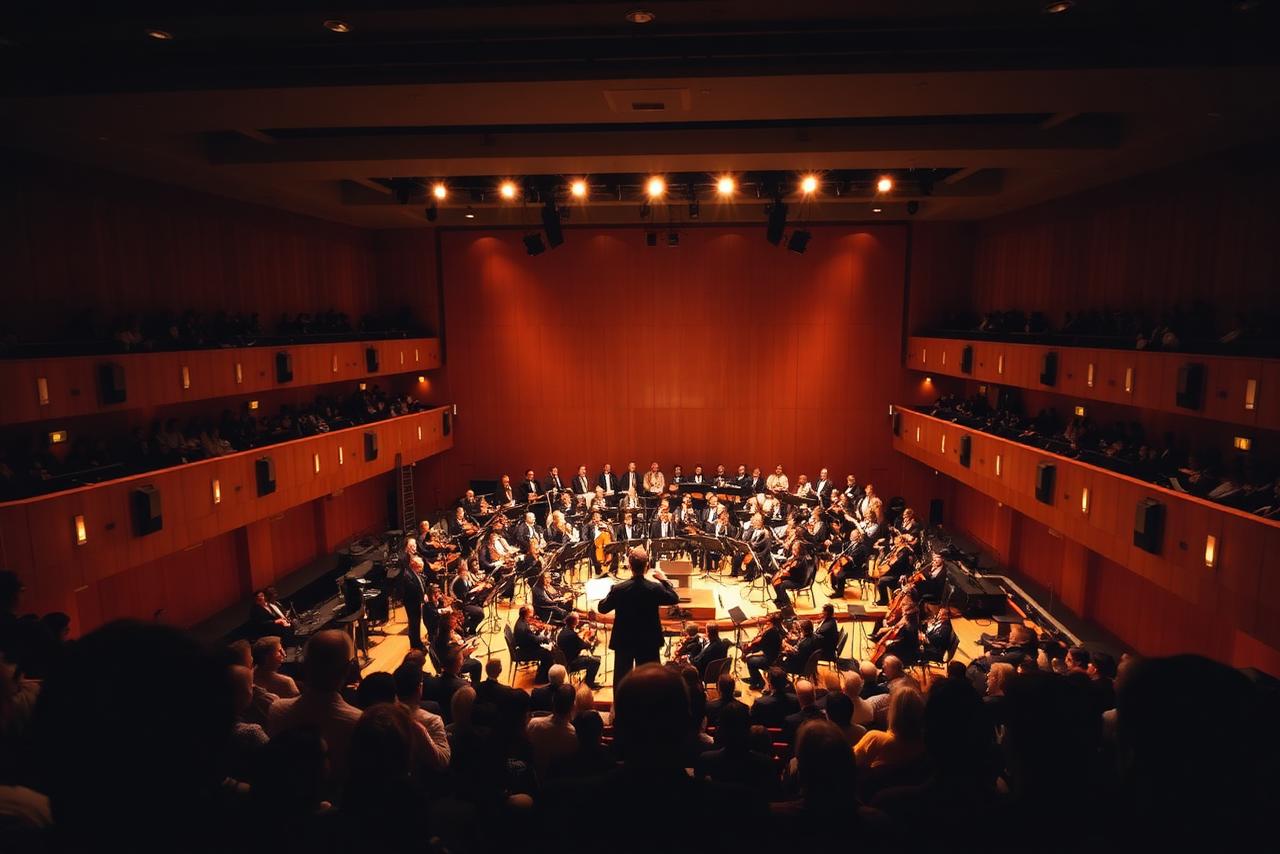
For larger-scale events or those requiring more modern facilities, the action moves to the Waterfront Hall at Lanyon Place. Unlike the rectangular Ulster Hall, the Waterfront is a "bowl" design, offering wrap-around seating and a much lighter, airier acoustic.
This venue tends to host the big seasonal highlights. According to the Bravura diary, this is where you will find the annual performances of Handel’s Messiah or family-oriented events like The Snowman. The foyer offers views over the River Lagan, providing a more "pre-theatre cocktail" vibe than the Victorian grit of the Ulster Hall.
What to Listen For
If you are new to the repertoire, the Belfast season usually offers a sophisticated mix of the "big hits" and the interestingly obscure. Based on current scheduling, a few themes emerge for the visitor:
- The Big Symphonies: The orchestra regularly tackles the pillars of the repertoire, such as Beethoven’s Ninth ("Ode to Joy") or Brahms’s Fourth. These are the best entry points for those who want to hear the full power of an ensemble.
- The Concerto: These concerts feature a guest soloist — a violinist or pianist — who takes centre stage. Keep an eye out for world-class names like Barry Douglas, a local hero who frequently returns to play the great Romantic concertos.
- Thematic Nights: The orchestra often programs around a mood or era, such as "Rhapsody in Blue" focusing on American jazz-influenced works, or "Seasons & Splendour" highlighting French Impressionism.
Practicalities: Booking and Costs
One of the great joys of classical music in Belfast is the accessibility. You can often find tickets starting at around £10, making it significantly cheaper than a premier league football match or a touring West End musical.
- Booking: Most tickets can be bought through the central box offices of the Ulster Hall or Waterfront Hall. It is rarely necessary to book months in advance for standard orchestral nights, though Christmas specials and major choral works do sell out.
- Dress Code: There isn't one. You will see people in suits and people in trainers. As long as you aren't wearing anything that jingles or glows, you will fit in.
- Timing: Concerts usually start at 7:45 pm or 8:00 pm. The Belfast audience is generally punctual, and latecomers are usually held in the foyer until a suitable break in the music.
Beyond the Symphony
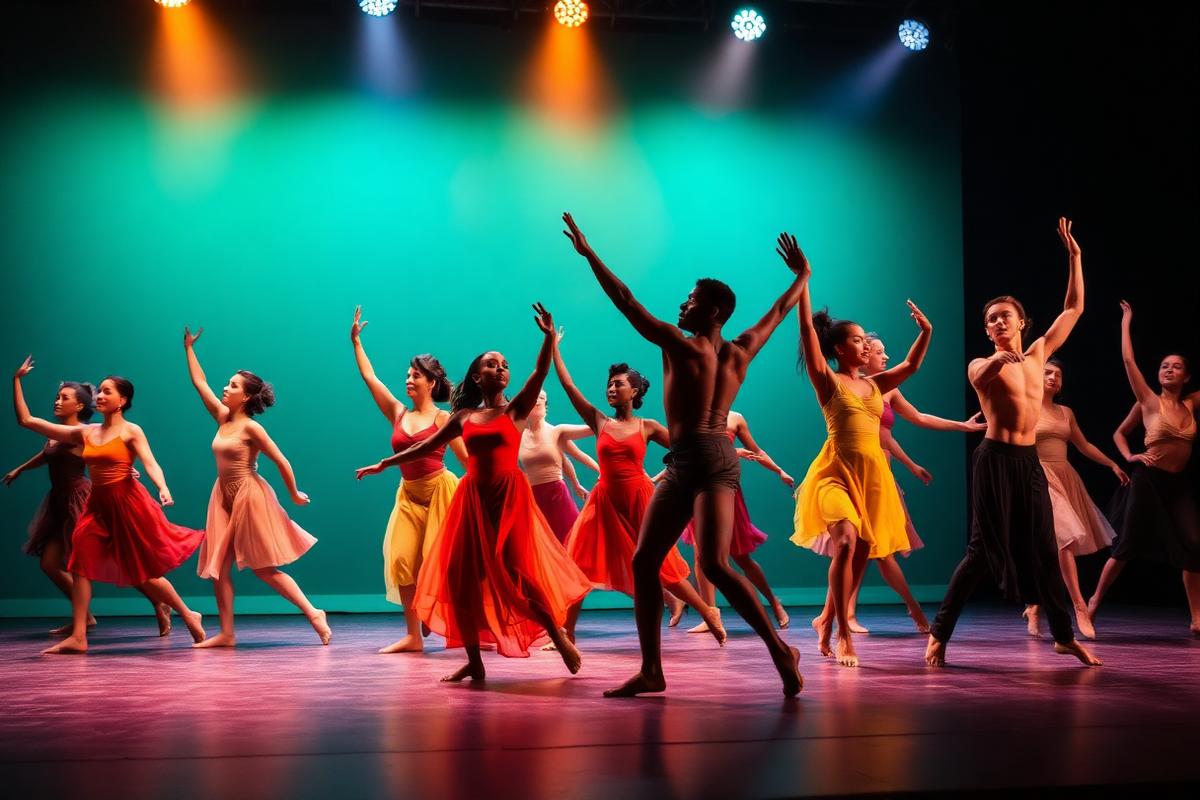
While the Ulster Orchestra dominates the diary, Belfast also hosts touring opera and dance. The Grand Opera House, a stunning piece of orientalist architecture, is the usual home for these. While the orchestra provides the symphonic backbone, the Opera House brings in national companies for short runs of ballet and grand opera.
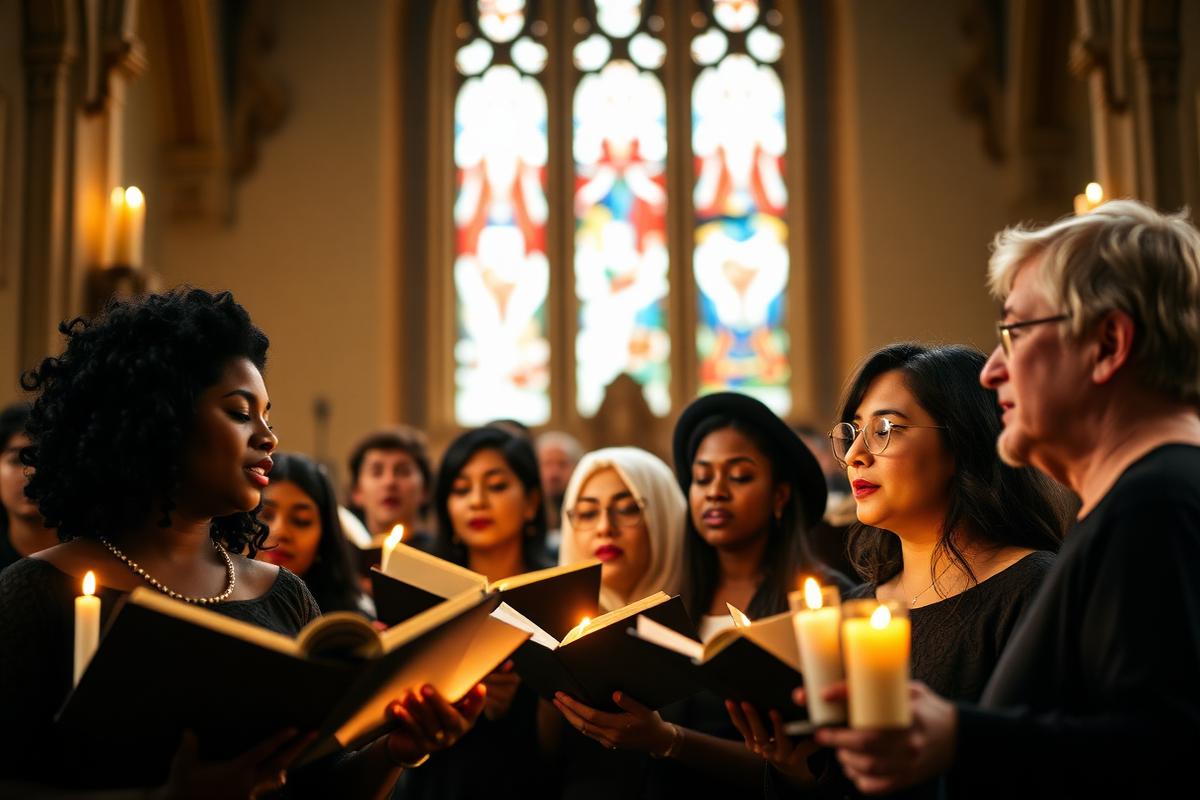
For a more intimate experience, keep an eye on the calendar for chamber music or choral recitals. The city has a strong choral tradition, often performing in the city’s various cathedrals and churches, where the natural reverberation adds a layer of sanctity to the proceedings.
Planning Your Evening
Both major halls are located in areas with high densities of restaurants and bars. The Ulster Hall is in the heart of the Linen Quarter; there are several pubs nearby where musicians have been known to go for a post-show pint. If you are at the Waterfront, the surrounding Lanyon Place development is more modern and corporate, but a five-minute walk takes you into the Cathedral Quarter, the city's primary nightlife hub.
We recommend arriving at least twenty minutes before the start time. This gives you enough time to navigate the security checks, find your seat, and read the programme notes. Understanding the "why" behind a piece of music — for instance, why Tchaikovsky called his Sixth Symphony the 'Pathétique' — often enhances the listening experience significantly.
How to use the diary
To see what is currently bookable and to check specific times and programme details, you should consult the Bravura diary. Our listings are updated regularly to reflect the latest additions to the Belfast season. If you are interested in the wider context of these works, our guides provide further reading on the composers and genres mentioned above.