Britten: Britain's greatest twentieth-century composer
Sea, guilt, childhood and outsiders — and choral music that British choirs sing better than anyone.
The Bravura editorial team
Published 6 September 2026 · Last reviewed 6 September 2026 · How we research and review
Benjamin Britten is the towering figure of British music in the twentieth century, though he spent much of his life trying to escape the expectations that came with that title. Born in Lowestoft, Suffolk, in 1913, Britten’s music is inseparable from the landscape of the East Anglian coast: the grey North Sea, the shingle beaches, and the sense of a community that can be both protective and stifling.
He was a pacifist, a virtuoso pianist, and a man who lived his life with his professional and personal partner, the tenor Peter Pears, during an era when their relationship was illegal. This sense of being an "outsider" permeates his work. Whether he is writing about a fisherman accused of murder or a child soldier, Britten’s music almost always sides with the vulnerable against the mob.
For the modern concertgoer, Britten offers something rare: music that is undeniably "modern" and intellectual, yet deeply melodic and emotionally direct. He didn't write for the ivory tower; he wrote for the local church, the school choir, and the professional opera house.
What does the music sound like?
Britten’s sound is lean and athletic. He rarely used the thick, lush orchestral textures associated with his predecessor, Vaughan Williams. Instead, you get clarity. You can usually hear exactly what every instrument is doing.
- The Shimmer: He had a genius for high, sparkling sounds — harps, celestas, and high violins — that evoke moonlight or water.
- The Voice: Because he wrote so much for Peter Pears, his vocal music often sits in a distinctive tenor range, requiring agility and a certain "heady" sweetness.
- Ambiguity: Britten’s music often feels like it is in two keys at once. It creates a feeling of unease or "bittersweetness" that never quite resolves into a simple happy ending.
- Rhythm: He was a master of the "ostinato" — a repeating rhythmic pattern that builds tension, like a ticking clock or a heartbeat.
Three works to hear first
If you are looking through the Bravura diary for a place to start, these works represent the most accessible entries into his sound world.
The Young Person’s Guide to the Orchestra
Don't let the title fool you into thinking this is just for children. Based on a theme by the Baroque composer Henry Purcell, this is a masterclass in orchestration. It takes the orchestra apart instrument by instrument and then puts it back together in a massive, roof-raising fugue. It is frequently programmed as a showpiece for world-class ensembles like the BBC Symphony Orchestra.
Serenade for Tenor, Horn and Strings
This is arguably the most beautiful thing Britten ever wrote. It is a song cycle setting various British poems (by Keats, Blake, and others) themed around the arrival of evening. The combination of the mellow French horn and the solo voice creates a magical, twilight atmosphere. If you see a performance involving a high-calibre chamber orchestra like the Academy of St Martin in the Fields, book it immediately.
Four Sea Interludes from Peter Grimes
Peter Grimes is the opera that made Britten famous. These four orchestral movements are played between the scenes to depict the changing moods of the ocean. They range from the bleak, cold dawn of the first movement to the terrifying "Storm." They are a staple for orchestras like the Royal Liverpool Philharmonic Orchestra and provide a perfect distillation of Britten’s ability to paint pictures with sound.
The War Requiem: A live essential
The War Requiem is Britten’s masterpiece, composed for the 1962 consecration of the new Coventry Cathedral (built next to the ruins of the old one, destroyed in WWII). It is a massive undertaking, requiring a full orchestra, a chamber orchestra, a large choir, a boys' choir, and three soloists.
"My subject is War, and the pity of War. The Poetry is in the pity... All a poet can do today is warn." — Wilfred Owen, whose poetry Britten interspersed with the Latin Mass for the Dead.
In the Bravura diary, you will often see this performed in significant spaces, such as Coventry Cathedral itself or the Royal Festival Hall. Hearing it live is a physical experience; the way the sound travels from the distant boys' choir to the aggressive brass of the "Dies Irae" is something a recording cannot replicate. It is a profound, exhausting, and ultimately cathartic work.
Two to save for later
Britten can be prickly, and some works require a bit more familiarity with his language before they reveal their charms.
- The Cello Symphony: Written for Mstislav Rostropovich, this is darker and more dissonant than his other concertos. It’s a rewarding piece, but it lacks the immediate melodic "hooks" of the Violin Concerto.
- Death in Venice: His final opera is a haunting, sparse work. While brilliant, its slow pace and heavy use of percussion and gamelan-inspired sounds can feel austere if you aren't already a fan of his operatic style.
The Choral Tradition
Britten is the patron saint of the British choral tradition. Every December, his A Ceremony of Carols (written for choir and harp) is performed in chapels across the UK.
What makes his choral writing special is that he understood the specific, pure sound of English cathedral choirs. He writes lines that are challenging but immensely satisfying to sing. Groups like Ex Cathedra often program his smaller-scale gems like A Boy Was Born or Saint Nicolas, which offer a more intimate, storytelling side to his character.
The live experience
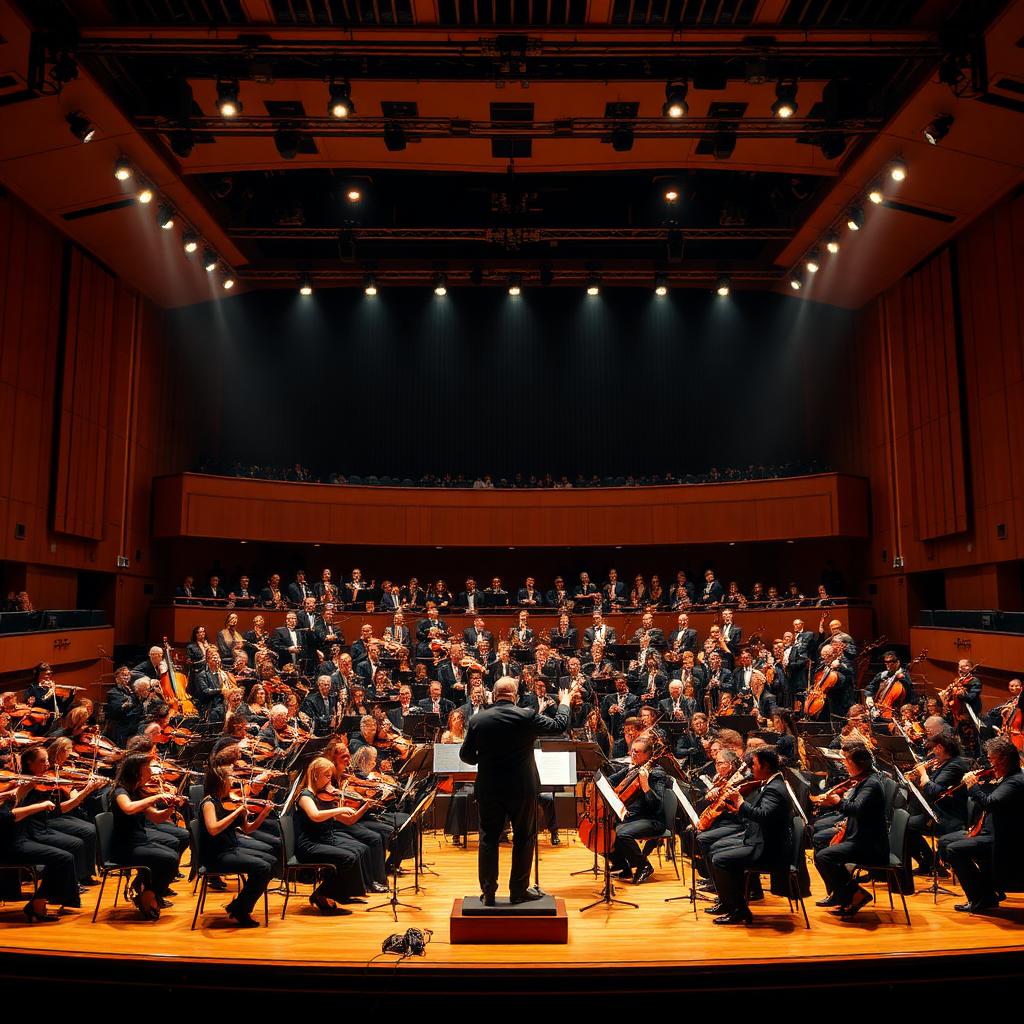
When you see Britten on a programme, expect a night of high contrast. He was not a composer of "background music." His works demand attention because they are often about tension — the tension between the individual and the crowd, or between innocence and experience.
In a concert hall, you will notice the economy of his writing. In a work like Les illuminations (often performed by string orchestras such as the Sinfonia of London), the textures are so transparent that every small gesture by the soloist or the conductor takes on enormous significance.
- Check the venue: For the large-scale works like the War Requiem, a larger hall with a good organ is essential. For the chamber works, look for smaller, more resonant spaces like St Mary's Kirk or the Music Room in Liverpool.
- Prices: Britten is well-represented in the UK, and tickets for orchestral concerts typically start around £15, though student or "rush" tickets can be found for as little as £6.
Finding Britten in the diary
Britten remains one of the most-performed composers in the UK, particularly by the "Big Five" regional orchestras and the BBC ensembles. Whether it is a major symphonic work in London or Birmingham, or a rare chamber performance in Oban or Haddington, his music is a cornerstone of the British season.
You can find current listings for his operas, orchestral works, and choral cycles by searching for "Britten" in the /calendar. If you are new to his work, look for the Sea Interludes or the Simple Symphony as a starting point. For further reading on his contemporaries, visit our /guides page.