The Bridgewater Hall: Manchester's hall on springs
Two and a half thousand seats on giant isolation bearings, and a warmer sound than its glass exterior suggests.
The Bravura editorial team
Published 7 September 2026 · Last reviewed 7 September 2026 · How we research and review
The Bridgewater Hall is a piece of late-twentieth-century engineering that looks, from the outside, like a series of stainless steel shards rising out of a Manchester canal. When it opened in 1996, replacing the much-loved but acoustically erratic Free Trade Hall, it promised a silence so profound that even the rumble of a nearby tram wouldn't register.
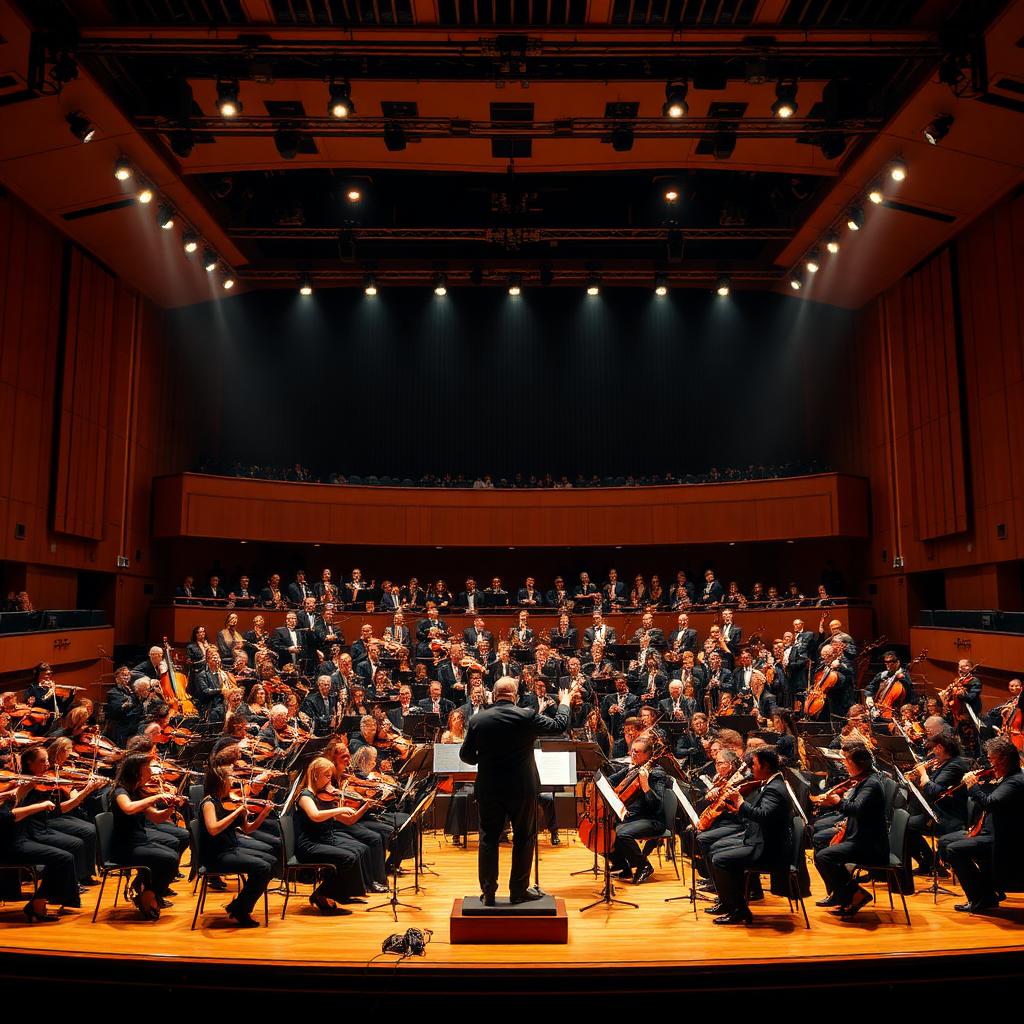
It achieves this through a remarkable feat of structural isolation: the entire 22,500-tonne building sits on nearly 300 giant spring mechanisms. This "floating" design ensures that the vibrations of the city are severed from the auditorium. Inside, the aesthetic shifts from the sharp, cold exterior to a warm, vast space of beech wood and limestone. It is a hall that feels both grand and surprisingly intimate, designed for a city that takes its orchestral heritage more seriously than almost anywhere else in the UK.
The Room and the Sound
The acoustics here are generally regarded as excellent, though they are unforgiving. It is a "shoebox" variant, but with a wide, terraced layout that pulls the audience closer to the stage than a traditional Victorian hall would. The sound is clear, dry, and detailed.
In a venue this quiet, you hear everything. This is a blessing during a delicate pianissimo in a Sibelius symphony, but a curse if you have a persistent cough or a loud digital watch. The hall doesn’t muddy the sound, meaning you can distinguish individual instrumental lines even in a dense Wagnerian texture. However, some find the bass slightly less "earthy" than in the wooden halls of old; it is a clinical, precise sort of beauty.
Navigating the Tiers
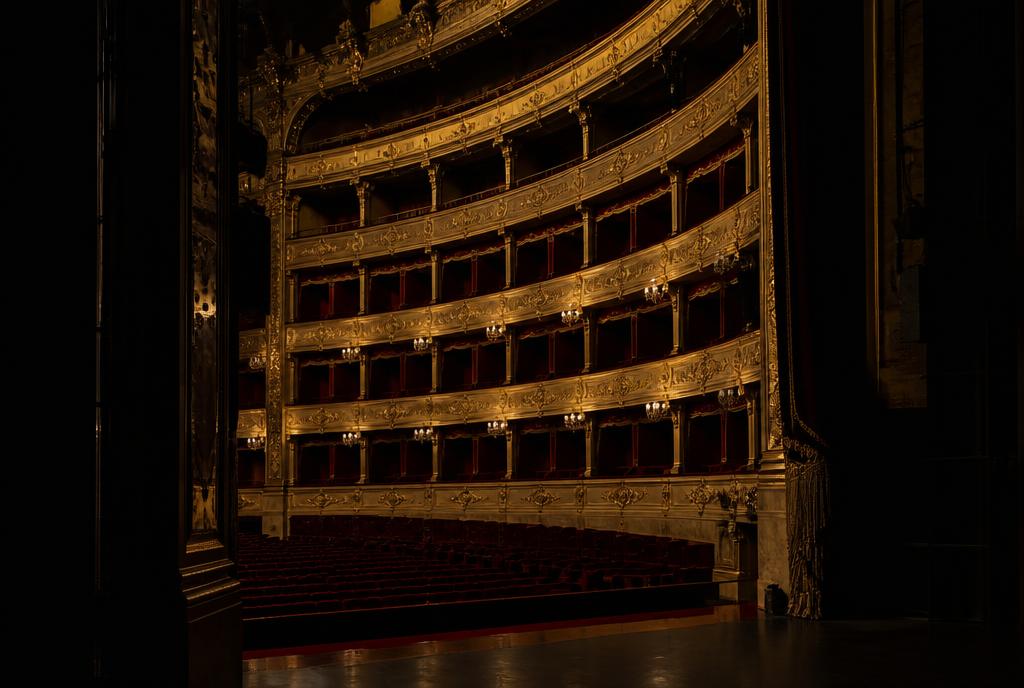
The auditorium is split into the Stalls, the Circle, and the Gallery. Because of the terraced design, there are few "bad" seats, but the character of the experience changes significantly depending on where you sit.
- The Stalls: Ideal for feeling the physical power of the orchestra. You are at eye level with the performers. However, if you sit too far forward, you may lose the overall "blend" of the sound, hearing the violins more clearly than the woodwinds tucked behind them.
- The Circle: Widely considered the "sweet spot." It offers the most balanced acoustic profile and a perfect view of the conductor’s gestures. The side circles (Choir Circle) offer a fascinating, bird’s-eye view of the percussion and the pianist’s hands, though you will be hearing a slightly lopsided mix.
- The Gallery: High up, but rarely feels detached. The sound travels well to the top, and these seats often offer the best value for money.
- Behind the Orchestra: For many concerts, seating is available behind the stage (the Choir seats). If you want to watch the conductor’s face or see the score over the shoulder of the trombonists, this is a thrilling place to be, though the brass will be very loud.
The Residents: Hallé and Beyond
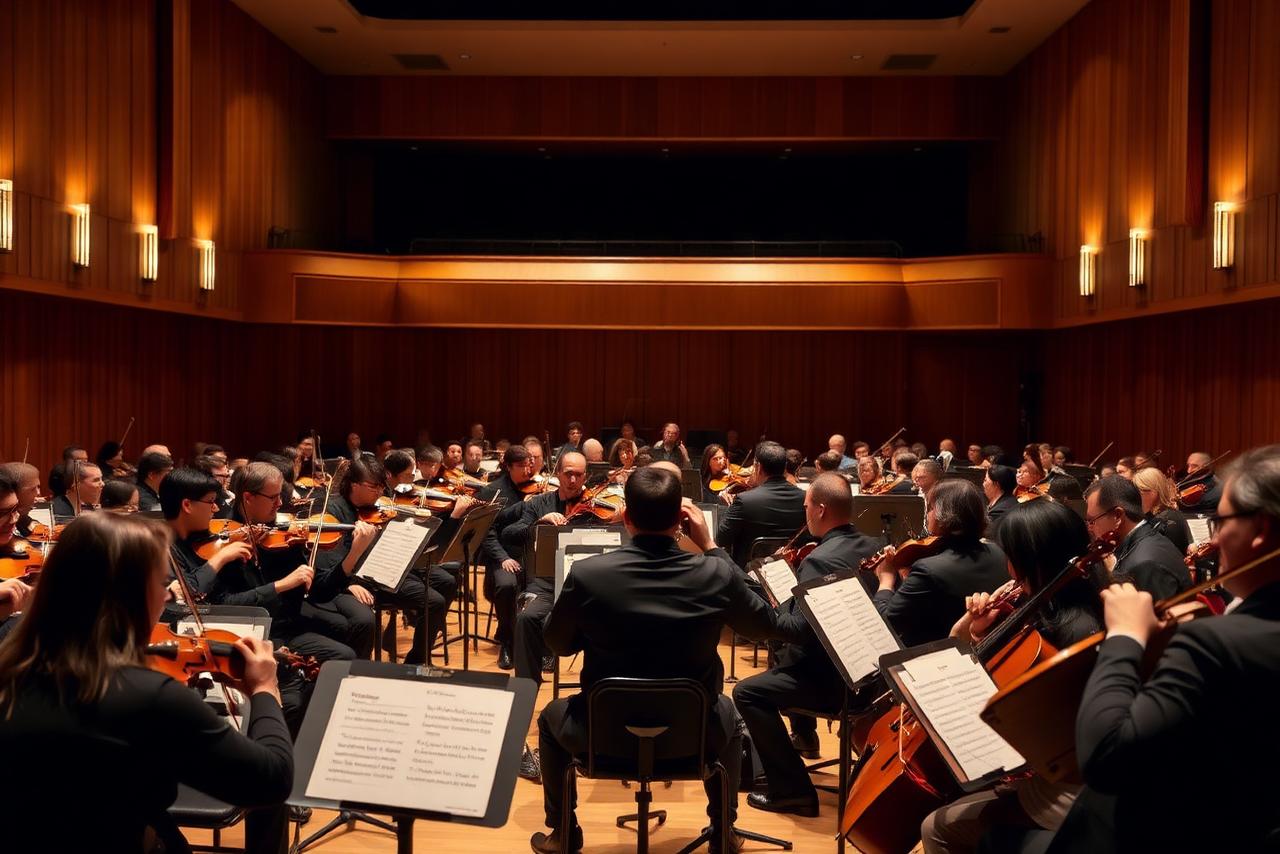
The hall is the permanent home of The Hallé, an orchestra that has been a fixture of Manchester life since 1858. Their presence dominates the calendar, ranging from massive Mahler cycles to world premieres and more populist "Pops" programmes. Under the long tenure of Sir Mark Elder and now passing to new leadership, they remain one of the most disciplined and expressive ensembles in Europe.
The BBC Philharmonic is the other major tenant. As a broadcast orchestra, their programming tends to be slightly more adventurous, often pairing standard repertoire with twentieth-century rarities or contemporary commissions. Between these two, the hall provides a near-constant stream of high-level symphonic music.
It is also a significant venue for choral music. The Hallé Choir and visiting ensembles like The Sixteen take advantage of the hall’s clarity, which prevents complex polyphony from turning into a sonic blur.
Practicalities: Arrival and Intervals
The hall is located in the centre of Manchester, a short walk from Deansgate-Castlefield tram stop and Oxford Road station. If you are driving, there is a multi-storey car park nearby, but Manchester traffic is notoriously fickle; we suggest arriving early.
The foyers are expansive and glass-walled, offering views over the city. On a rainy Manchester evening, the contrast between the grey sky outside and the bustling, lit-up interior is quite something. Bars are located on several levels. Like most UK venues, the interval rush is real. You can usually pre-order drinks to avoid the queue, a tactic we strongly recommend if you want more than thirty seconds of actual sitting-down time.
"The silence here is not just a lack of noise; it is a physical presence that makes the first note of a concert feel like a light being switched on in a dark room."
Access and Layout
The Bridgewater Hall was built with modern accessibility in mind, a refreshing change for those used to the cramped staircases of London’s older venues. There is lift access to all levels, and the building is generally easy to navigate for those with mobility issues.
- Level access: Available at the main entrance.
- Wheelchair positions: Distributed across various levels, not just tucked away at the back.
- Assistance: The front-of-house team is professional and accustomed to the needs of a diverse audience; if you have specific requirements, a quick check of the venue’s own accessibility page will provide the current contact details for their access scheme.
The "Sprung" Reality
One minor quirk of the hall's isolation is that it can feel slightly "otherworldly." Because you are disconnected from the ground, you don't feel the vibration of heavy traffic outside, but you might occasionally feel a slight, almost imperceptible movement if you are particularly sensitive—a reminder that you are indeed on 250 tonnes of steel springs.
The main drawback for some is the sheer size. With over 2,000 seats, a half-full concert can feel a little lonely. However, for the big Friday and Saturday night performances, the atmosphere is electric. The Mancunian audience is generally attentive and knowledgeable, though notably less stuffy than the crowds you might find at the Southbank Centre or the Barbican.
What to Listen For
If you are visiting for the first time, look for programmes that exploit the hall’s range. The diary often features works like Mahler’s Symphony No. 4 or Tchaikovsky’s Symphony No. 5, which use the full dynamic range of the orchestra. The organ is also a magnificent feature: a 5,500-pipe instrument built by Marcussen that dominates the back of the stage. When it is used — such as in the organ concerto Breathing Forests — it can shake the very springs the building sits on.
For those watching their budget, tickets can be found for as little as £14 or £19 for certain performances, making it one of the more affordable ways to hear a world-class orchestra in a purpose-built environment.
Checking the Diary
Programming at the Bridgewater Hall is dense and varied. While the Hallé and BBC Philharmonic are the backbone, you will also find opera in concert (such as Offenbach's Barkouf), touring orchestras like the Royal Philharmonic, and intimate choral sets.
To see what is currently bookable, including specific conductors like Kahchun Wong or John Storgårds, please visit the Bravura calendar. You can also find broader advice on orchestral etiquette and what to expect at your first concert in our guides section.