When to clap: the only applause guide you need
Between movements, after arias, during a curtain call — the simple rules, and why nobody minds as much as you fear.
The Bravura editorial team
Published 1 September 2026 · Last reviewed 1 September 2026 · How we research and review
Clapping is the single most common source of anxiety for the newcomer to the concert hall. The fear is specific: that you will be the only person in the room to unleash a solitary, booming clap during a profound silence, thereby outing yourself as a philistine and earning a collective, icy glare from two thousand people in evening dress.
We are here to tell you that this rarely happens, and when it does, it truly does not matter. The "rules" of applause are not laws; they are simply a set of shared habits designed to help the music breathe. Whether you are heading to the Royal Albert Hall for the BBC Proms or settling into a seat at Symphony Hall, Birmingham, the etiquette is more straightforward than it appears.
The basic logic of silence
Modern classical etiquette suggests that you should only applaud when a piece of music is entirely finished. This sounds simple until you realise that many classical works are broken into "movements"—distinct chapters of music that often have a clear stop and a few seconds of silence between them.
A symphony, such as Dvořák’s Symphony No. 9 or Tchaikovsky’s Symphony No. 4, usually has four movements. To the uninitiated, the end of the first movement often sounds like the end of the entire show: it is loud, fast, and finishes with a flourish. However, the convention is to hold your fire until the very final note of the fourth movement.
The reason for this isn't snobbery. It is about maintaining the emotional "arc" of the work. If a composer has written a devastatingly quiet slow movement that leads directly into a frantic finale, a sudden burst of clapping in the middle can break the spell.
When to clap: a step-by-step guide
If you are worried about timing, follow this chronological sequence for a standard orchestral concert:
- When the Leader enters: The first violinist (the "Leader" or "Concertmaster") will walk onto the stage first. Give them a polite round of applause. They will then help the orchestra tune.
- When the Conductor enters: A few minutes later, the conductor (and any soloists, such as a pianist or violinist) will walk out. This is the cue for a warmer, louder welcome.
- After the final note: This is the big one. How do you know it's the final note? Look at the conductor. If their hands are still raised and their back is still tense, they are holding the silence. When their arms drop to their sides and they turn around to face the audience, that is your signal to go wild.
The most important rule of thumb is the "two-second lag." If you aren't sure, wait for the person next to you to start. There is no prize for being the first person to clap.
The exceptions: Opera and Ballet
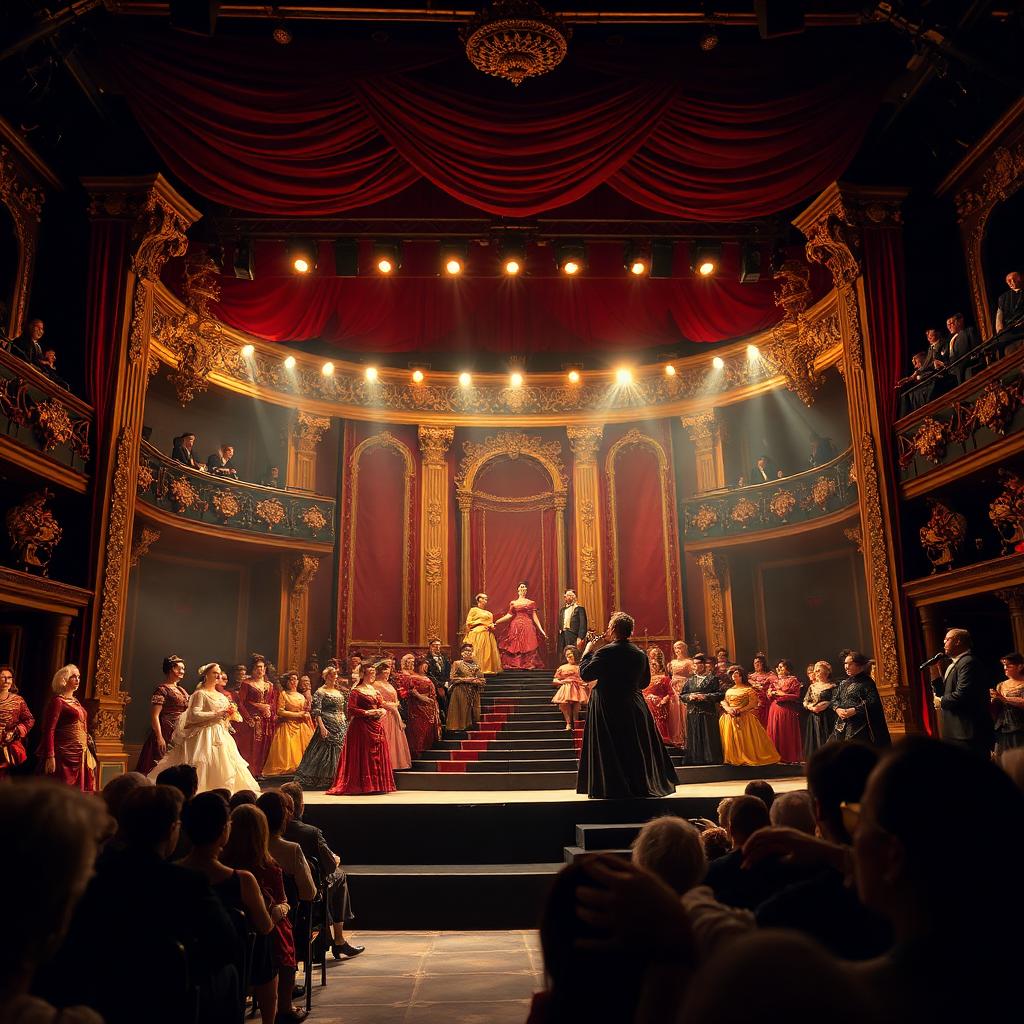
The rules change significantly when you move from the concert hall to the theatre. At the Royal Opera House, for example, the atmosphere is often more boisterous.
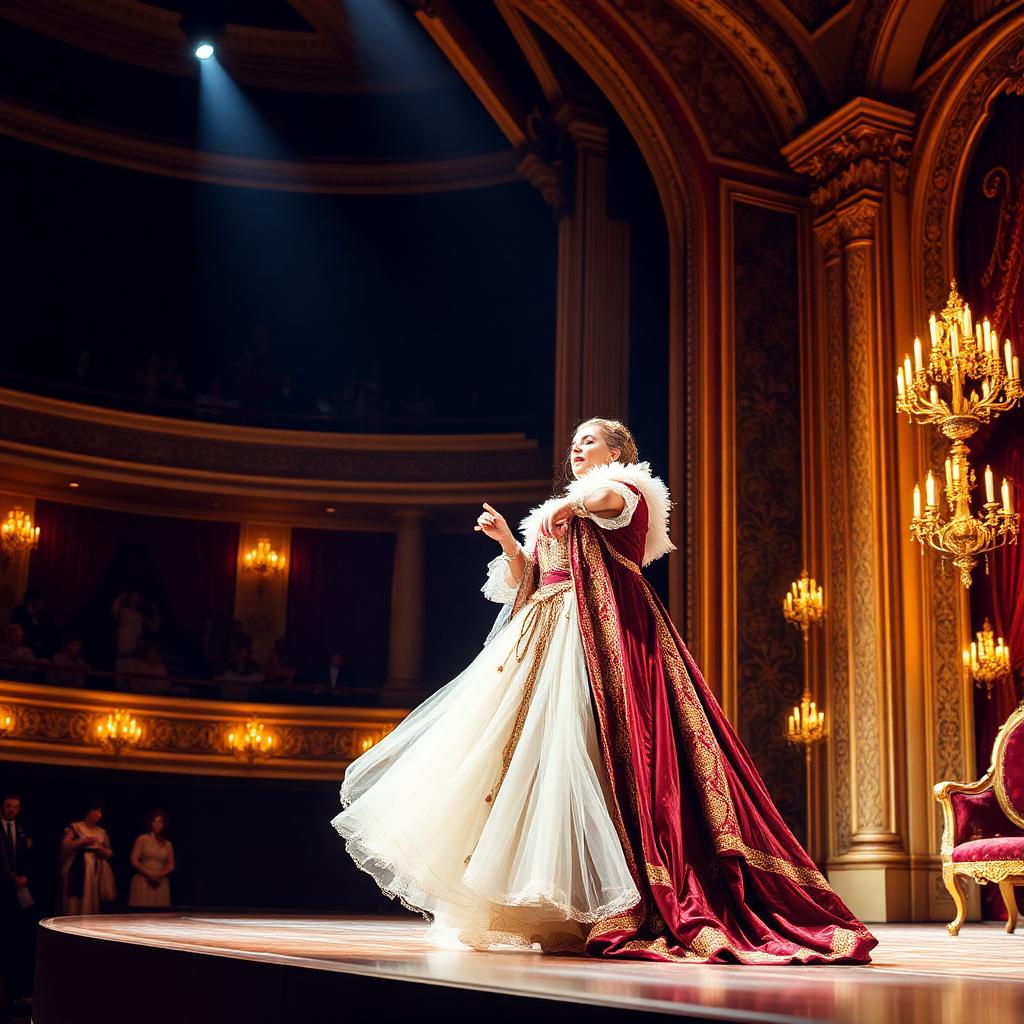
In opera, it is perfectly acceptable — and often expected — to applaud after a major aria (a big solo song). If a soprano has just nailed a terrifyingly high note in a Welsh National Opera production, the audience will usually reward them immediately, even if the orchestra is still playing the final few bars of an aria.
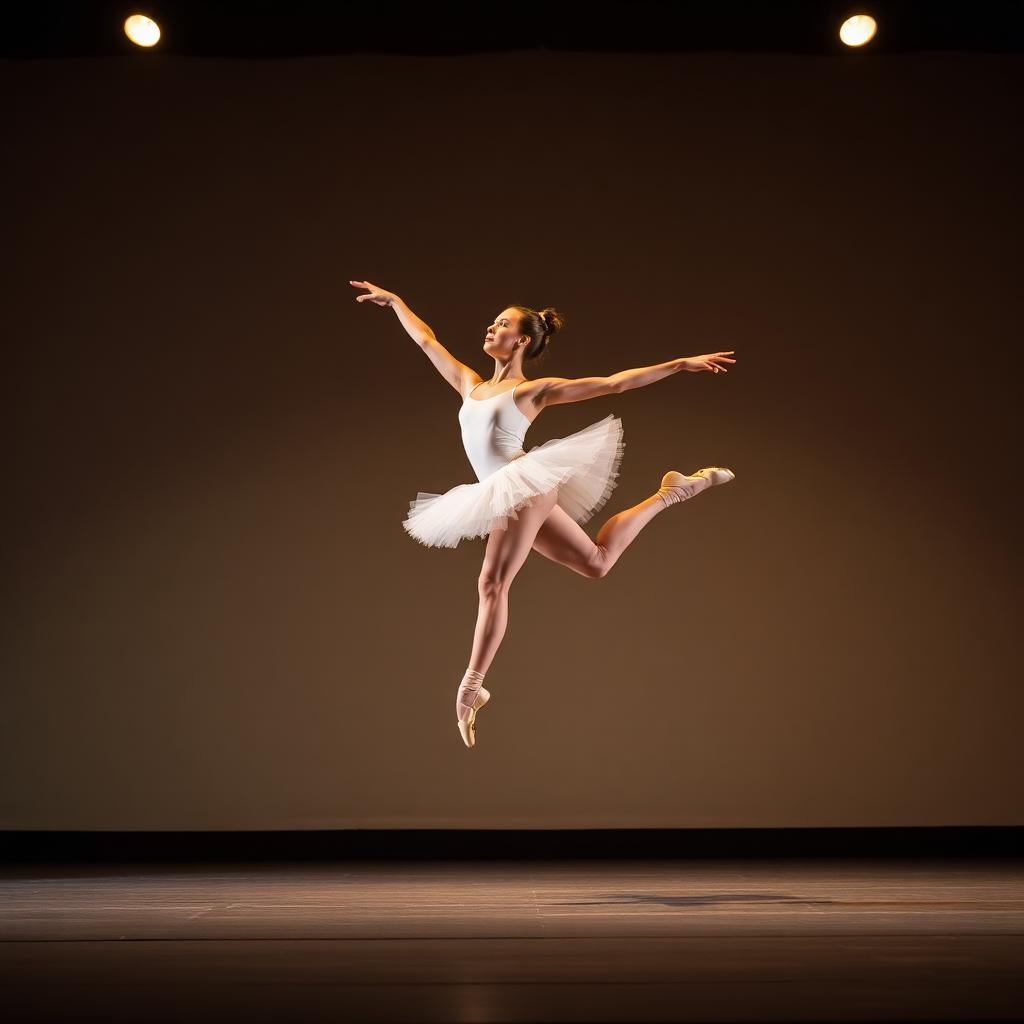
Ballet is even more permissive. In a performance by The Royal Ballet or Northern Ballet, you will hear applause after a particularly impressive sequence of jumps, a long series of turns (fouettés), or a technically demanding "pas de deux." In these settings, clapping is a way of acknowledging the physical feat you’ve just witnessed in real-time.
The "False Ending" trap
Some composers are mischief-makers. They write endings that sound like they are over, only to start up again five seconds later. Haydn was the king of this, but even heavyweights like Tchaikovsky can trick you.
In Tchaikovsky’s Symphony No. 6, the third movement ends with a triumphant, crashing march that sounds like the ultimate finale. Almost every audience in history has fallen for it and clapped. If you do this, do not panic. The conductor might give a small, wry smile, wait for the noise to die down, and then begin the actual finale. You haven't ruined the night; you've just joined a very large, historic club of people who got excited by a good tune.
Dealing with the "Shushers"
You may occasionally encounter a "shusher" — a regular concert-goer who takes it upon themselves to police the silence with an audible shhh if someone claps between movements.
Our editorial stance on this is firm: the shusher is usually being more disruptive than the clapper. In recent years, many conductors and orchestras, including the City of Birmingham Symphony Orchestra and the Philharmonia, have explicitly stated that they welcome applause whenever the audience feels moved to give it. The "no clapping between movements" rule is a relatively recent 20th-century invention; in Mozart and Beethoven’s day, the audience would frequently hoot, holler, and demand encores in the middle of a symphony.
Practicalities for the nervous
If you are still concerned about making a "mistake," here are three practical tips:
- Check the programme: The printed programme (or the digital version on your phone) will list the movements. If the piece is "Symphony No. 4" and there are four Roman numerals (I, II, III, IV) listed underneath, you know there are three gaps to wait through.
- Watch the hands: As mentioned, the conductor’s body language is the best cue. If they are still hovering over the podium, the music is still "happening" in their head.
- The "Proms" Rule: At the Royal Albert Hall during the Proms, the atmosphere is much more relaxed. You will see people in shorts and T-shirts, and you will hear plenty of "accidental" applause. It is the best place to learn the ropes because the stakes feel wonderfully low.
Why it's worth it
There is one moment of silence that is more important than the applause: the "grand pause" at the end of a tragic or deeply spiritual work. When the orchestra finishes a particularly haunting piece, there is often a five-to-ten-second window where nobody moves.
This silence isn't awkward; it’s a form of collective respect. It is the sound of a thousand people processing what they just heard. Holding your applause for those few seconds can be the most powerful part of the entire evening.
See it in practice
The best way to lose the "applause anxiety" is to get into a hall and see how it works. The Bravura diary has the full breadth of the UK's upcoming season for you to give it a try.
We list over 200 upcoming performances across London, Birmingham, and Cardiff, with prices often starting as low as £1. Don't let the fear of a mistimed clap keep you away from some of the greatest music ever written. Browse our full calendar to find your next night out.