Your first classical concert: a complete, no-jargon guide
What actually happens, from arriving at the hall to the last bow — and why none of it is as intimidating as it looks.
The Bravura editorial team
Published 1 September 2026 · Last reviewed 1 September 2026 · How we research and review
Going to a classical concert for the first time can sometimes feel like being invited to a party where everyone else already knows the secret handshake. There is a pervasive myth that these events are governed by a complex set of Victorian etiquette rules, and that if you cough at the wrong time or wear the wrong shoes, a man in a tuxedo will escort you from the building.
The reality is far less stressful. Most modern UK venues — from the industrial coolness of London’s LSO St Luke's to the grand scale of the Royal Festival Hall — really want you to feel comfortable. They want your presence, not your reverence. If you can navigate a cinema or a mid-sized theatre, you can navigate a symphony hall.
Choosing your first night out
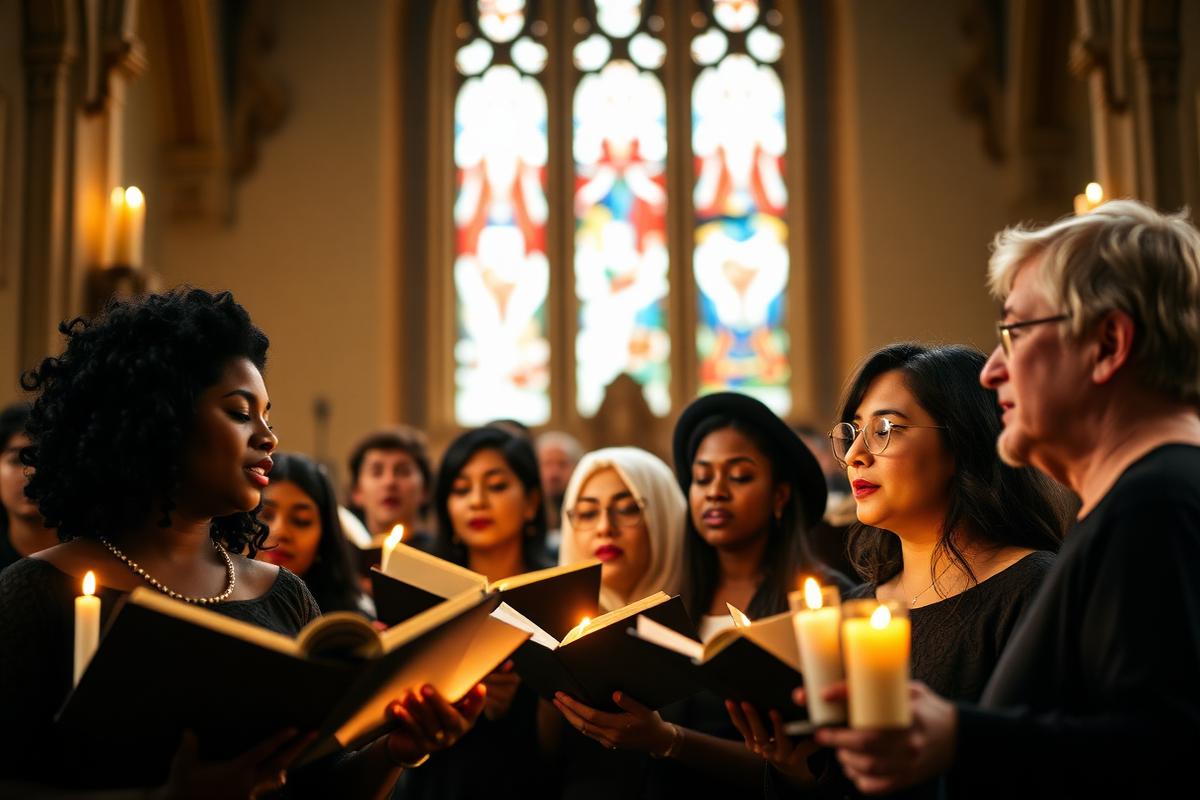
Classical music is a broad church. A "concert" could mean forty people in a church listening to a choir like The Sixteen, or a hundred-piece orchestra like the Royal Philharmonic Orchestra making enough noise to shake the floorboards.
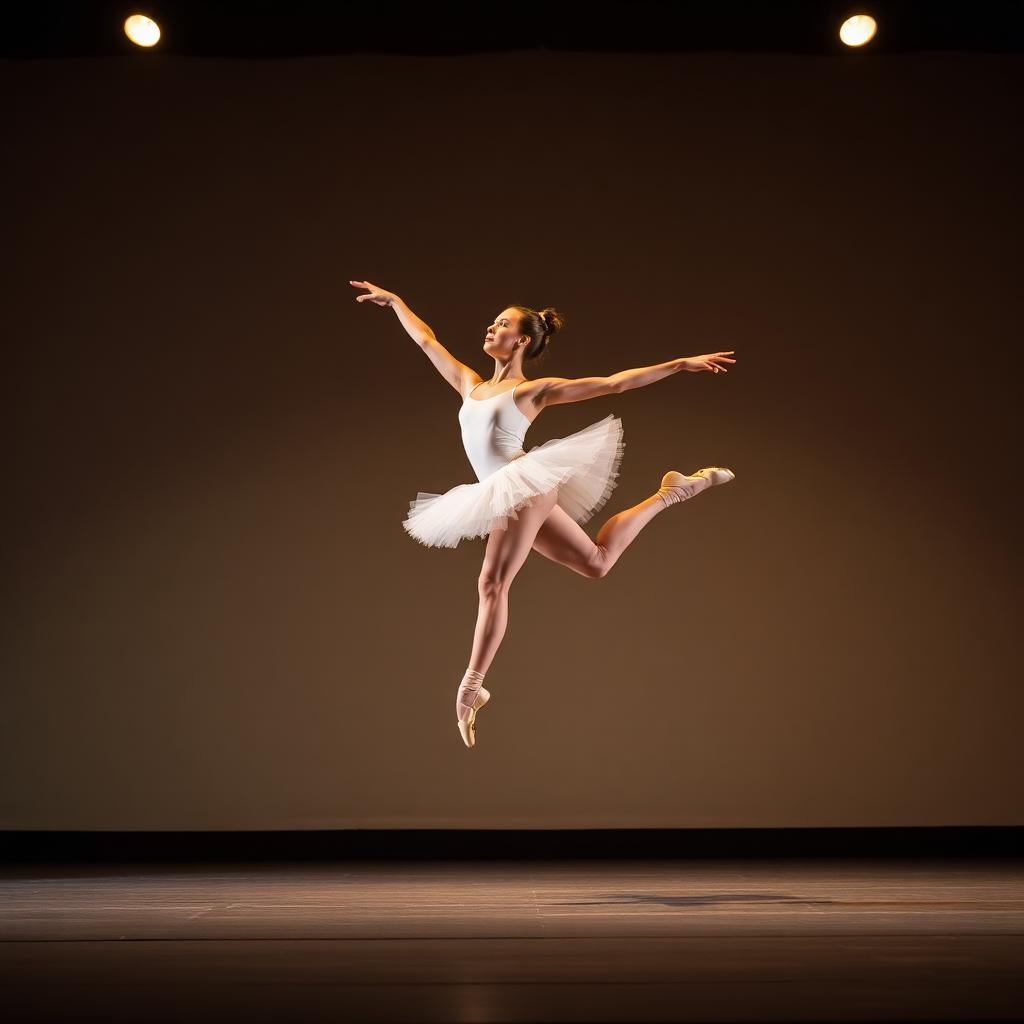
If you are unsure where to start, an orchestral concert is usually the safest bet. If you prefer something more theatrical, the Royal Ballet and Opera or Scottish Ballet offer a visual narrative alongside the music.
Price is rarely the barrier it is perceived to be. While premium stalls can be expensive, the Bravura diary frequently lists tickets starting from as little as £19, and standing tickets at events like the BBC Proms at the Royal Albert Hall can occasionally be found for significantly less.
The "Dress Code" question
We will be blunt: there is no dress code. Unless you are attending a specific gala or a high-end private festival (which will state so clearly on your ticket), you can wear what you like.
In major cities like London, Birmingham, or Manchester, you will see a mix of people coming straight from the office in suits and others in jeans and trainers. The performers are dressed formally as a sign of respect for the music, but you are not required to mirror them. As long as you are comfortable sitting still for an hour, you are dressed correctly.
Timing and the "Lock-out"
This is the one rule that actually matters. Unlike a rock concert where you might wander in during the support act, classical music usually has a strict "no latecomers" policy.
If you arrive after the conductor has raised their baton, you will likely be held at the door until a suitable break in the music. In some works, that break might not come for forty minutes. Aim to arrive at the venue at least 20 minutes before the start time. This gives you time to find your seat, read the programme, and watch the orchestra tune their instruments — an eerie, discordant but oddly comforting ritual that marks the beginning of the evening.
When to clap (and when to wait)
This is the most common source of anxiety. Most classical works are divided into sections called "movements." There is usually a short silence between them.
The modern convention is to wait until the very end of the entire work before clapping. If a symphony has four movements, you wait for the conductor to drop their arms after the fourth.
Why? Because the silence between movements is often part of the musical atmosphere. However, if you get swept up and clap early, do not panic. You will not be hissed at; you will simply be joined by a few other people who also felt the energy, while the "purists" wait for the final note. If in doubt, wait for the rest of the room to start.
Dealing with the "Noises"
Halls like the Symphony Hall, Birmingham or the Liverpool Philharmonic Hall are designed with incredibly sensitive acoustics. This means you can hear a pin drop—or a cough, or a sweet wrapper.
- Phones: Switch them off. Not just to silent, but off or in "do not disturb" mode. The glow of a screen in a darkened hall is incredibly distracting for both the performers and your neighbours.
- Coughing: It happens. If you feel a tickle, try to save it for a loud passage. Many regular concert-goers carry a small supply of throat lozenges (unwrapped before the music starts) for this very reason.
- Photos: Generally, photography and filming during the performance are strictly prohibited. Wait for the bows at the end if you want a souvenir shot.
What to listen for
You do not need to be able to read music to enjoy a concert. Think of a large orchestral work, like a Tchaikovsky symphony or Elgar’s Enigma Variations, as a long-form story told without words.
- The Programme: If you buy a programme, it will usually give you a "roadmap" of the pieces. It might mention a recurring melody or a specific story the composer was trying to tell.
- The Conductor: Watch them. They aren't just waving a stick for decoration; they are controlling the volume, the speed, and the "emotion" of the orchestra.
- The Soloist: In a concerto (like Beethoven’s Violin Concerto), there will be a single performer standing at the front. The music is designed to show off their technical skill.
Intervals and finishing up
Most concerts last about two hours, plus a 20-25 minute interval. This is your chance to stretch your legs, grab a drink at the bar, or discuss whether the second movement of the last piece was as invigorating as the programme suggested.
When the music ends, the conductor (and any soloists) will leave and return to the stage several times to take bows. If the performance was particularly good, the audience might stand up. Once the lights come up fully, feel free to head home.
Where to go first
If you feel ready to book, the UK has a wealth of world-class ensembles performing year-round. You might consider:
- A major symphony orchestra in a dedicated hall, such as the City of Birmingham Symphony Orchestra or the BBC Scottish Symphony Orchestra.
- A more intimate choral experience with a group like The Sixteen in a cathedral or historic church.
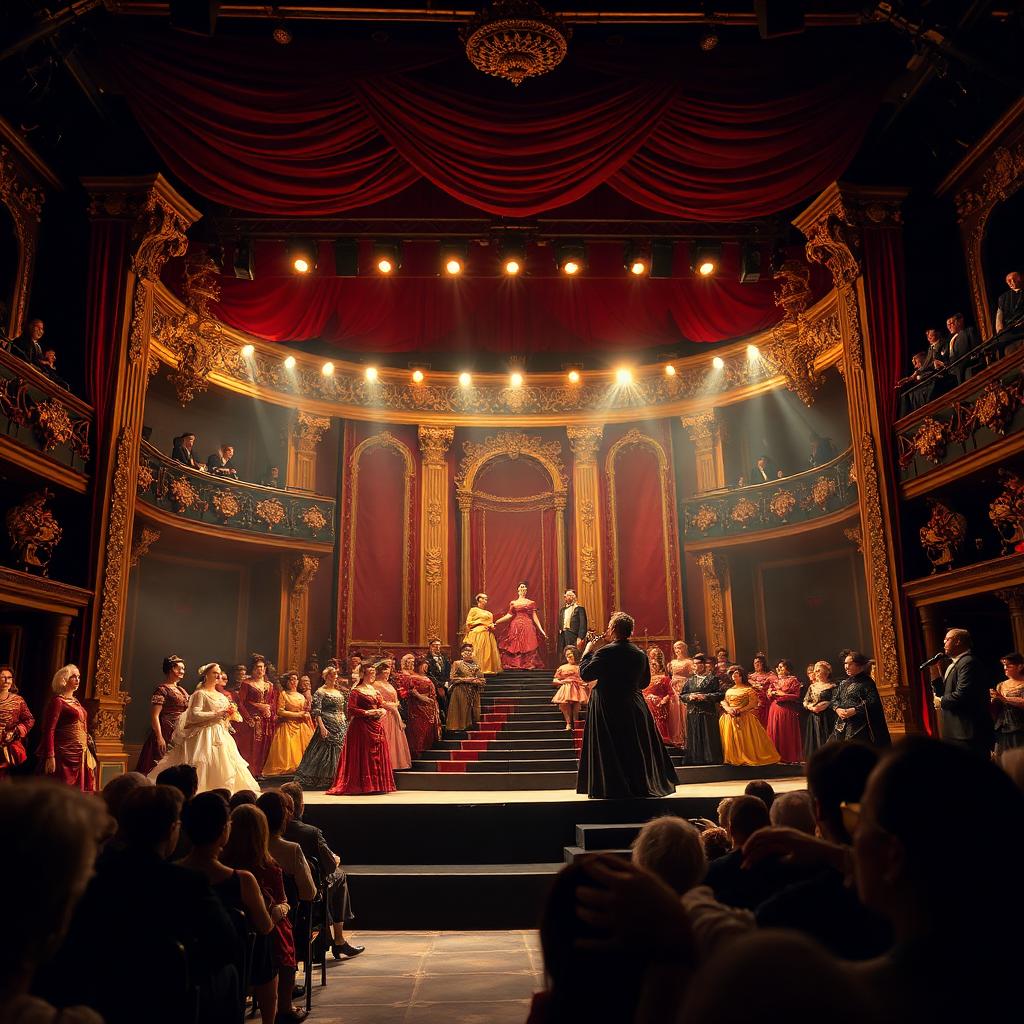
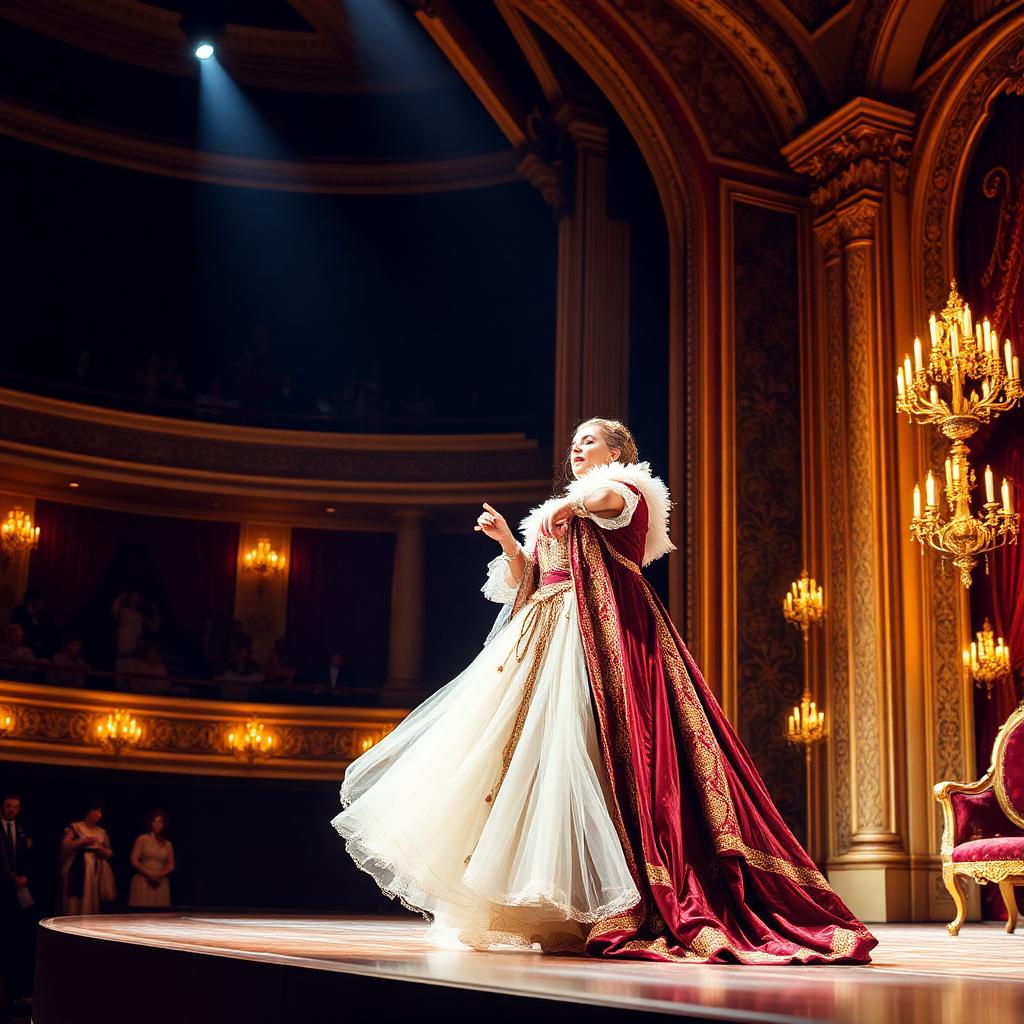
- A touring production from the Welsh National Opera or Northern Ballet if you prefer a mix of music and drama.
- A shorter, "distilled" or introductory concert, often held at venues like the Howard Assembly Room in Leeds or LSO St Luke's in London.
For a full list of what is playing near you, including specific programmes and ticket links, visit the /calendar. You can also find deeper dives into specific genres in our guides section.