What to wear to a classical concert (and the few places it matters)
Almost nowhere has a dress code any more — with a handful of famous exceptions worth knowing about.
The Bravura editorial team
Published 1 September 2026 · Last reviewed 1 September 2026 · How we research and review
The fear of being the only person in the room not wearing a dinner jacket is a persistent myth that keeps many people away from concert halls. We blame mid-century films and the occasional glossy brochure for this. The reality of modern concert-going in the UK is significantly more relaxed and, quite frankly, more practical.
If you are heading to a performance by the Philharmonia Orchestra at the Royal Festival Hall or seeing the Royal Liverpool Philharmonic in their home city, the "dress code" is effectively whatever you feel comfortable wearing in a public space.
At Bravura, we believe the music requires your attention, not your wardrobe. Here is how to navigate the few real conventions that remain, and why you should probably leave the stiff collar at home.
The 'Smart-Casual' Standard
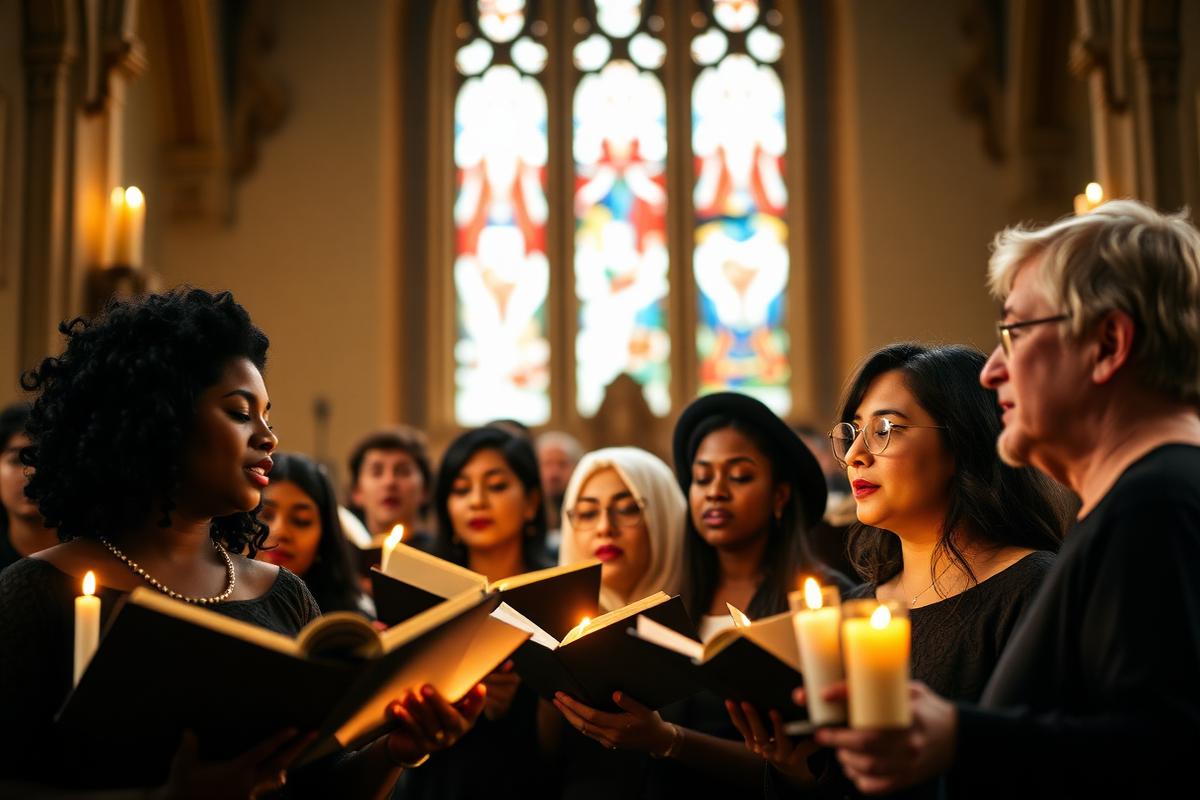
For the vast majority of orchestral, choral, and chamber music concerts, the default setting is "smart-casual," leaning heavily on the "casual." You will see people in suits who have come straight from an office, and you will see people in jeans and knitwear who have come straight from a rainy walk. Both are entirely acceptable.
In London venues like LSO St Luke’s or the Howard Assembly Room in Leeds, the vibe is often closer to a high-end cinema or a nice bistro. You do not need to "dress up" unless you want to. If you are worried about sticking out, a pair of dark trousers or a skirt and a clean shirt or jumper will place you firmly in the middle of the pack.
The Royal Opera House and Large Theatres
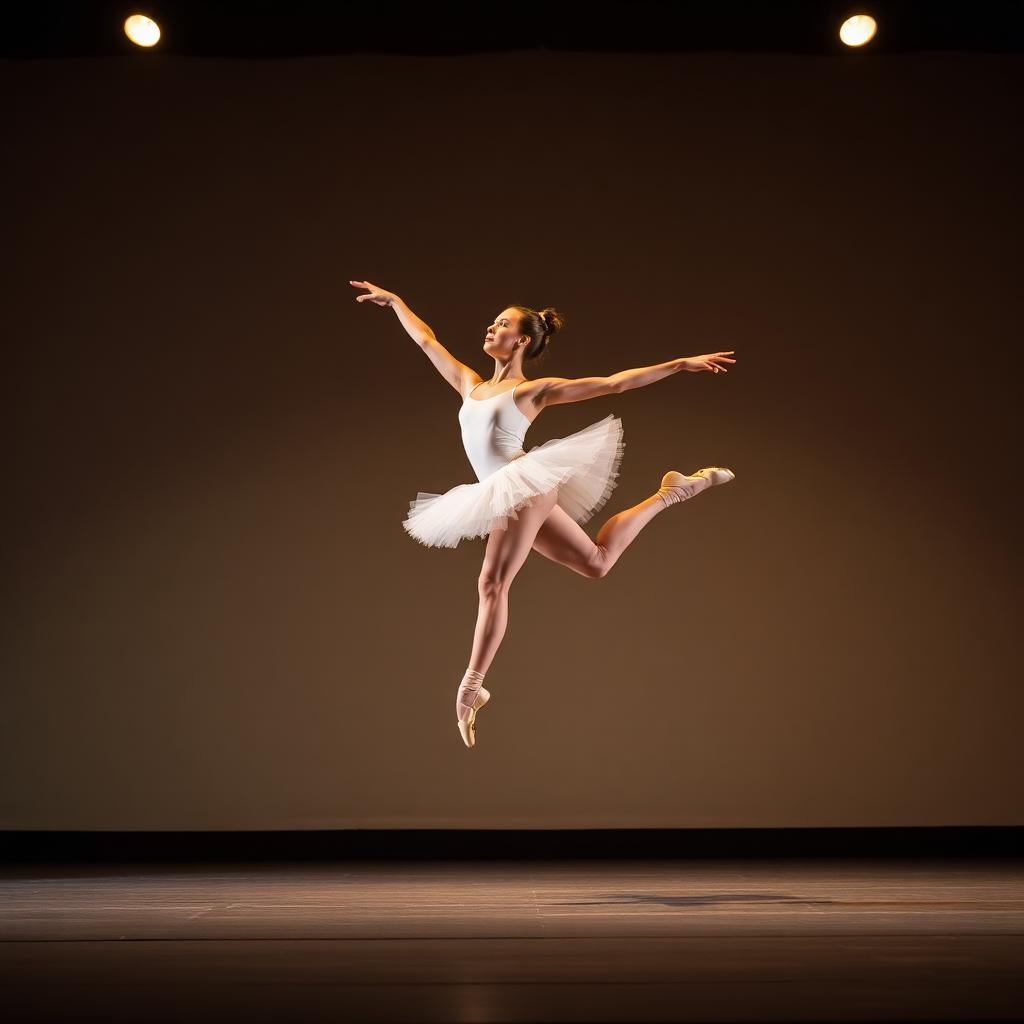
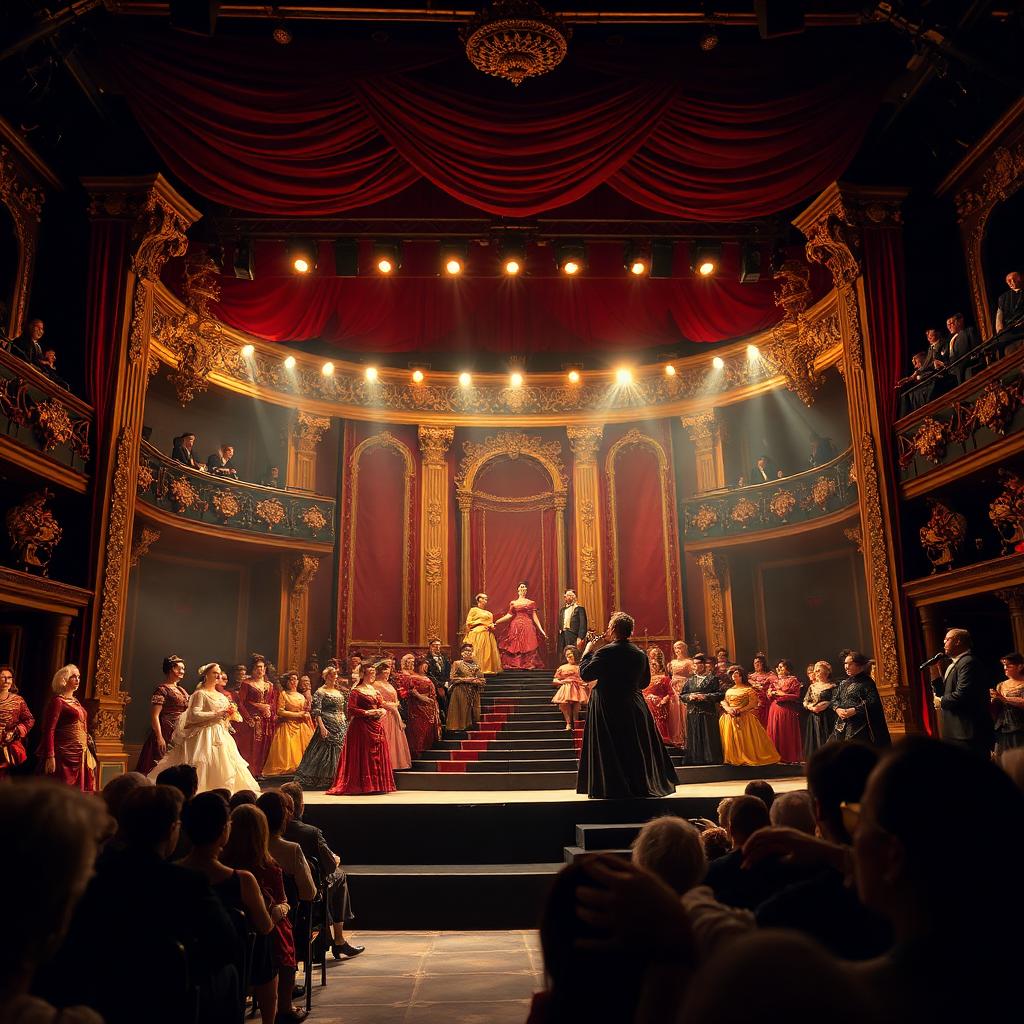
Venues like the Royal Opera House or the Birmingham Hippodrome carry a certain architectural weight that often prompts people to dress a little sharper. When attending a performance by The Royal Ballet and Opera or the Birmingham Royal Ballet, you will notice a broader spectrum of attire.
Some audience members treat a night at the ballet or opera as a major event and will wear cocktail dresses or velvet blazers. Others, particularly regulars and students, will be in chinos and jumpers. The staff will not turn you away for wearing trainers. The only rule is that you should be decent and, ideally, not wearing anything that physically obstructs the view of the person behind you (this isn't the Royal Pavilion at Ascot, so leave the oversized hats at home).
The Proms: A Unique Exception
The BBC Proms at the Royal Albert Hall is perhaps the most relaxed environment in the classical world. Because "Promming" involves standing in the arena or the gallery for long periods, practicality wins every time.
If you are attending a Prom featuring the Berlin Philharmonic or the BBC Symphony Orchestra, you will see thousands of people in T-shirts, shorts (if it is a humid August evening), and very sensible shoes. Even in the seated stalls, the atmosphere is informal. The focus here is entirely on the music and the shared endurance of standing through a Mahler symphony.
The Country House Opera Exception
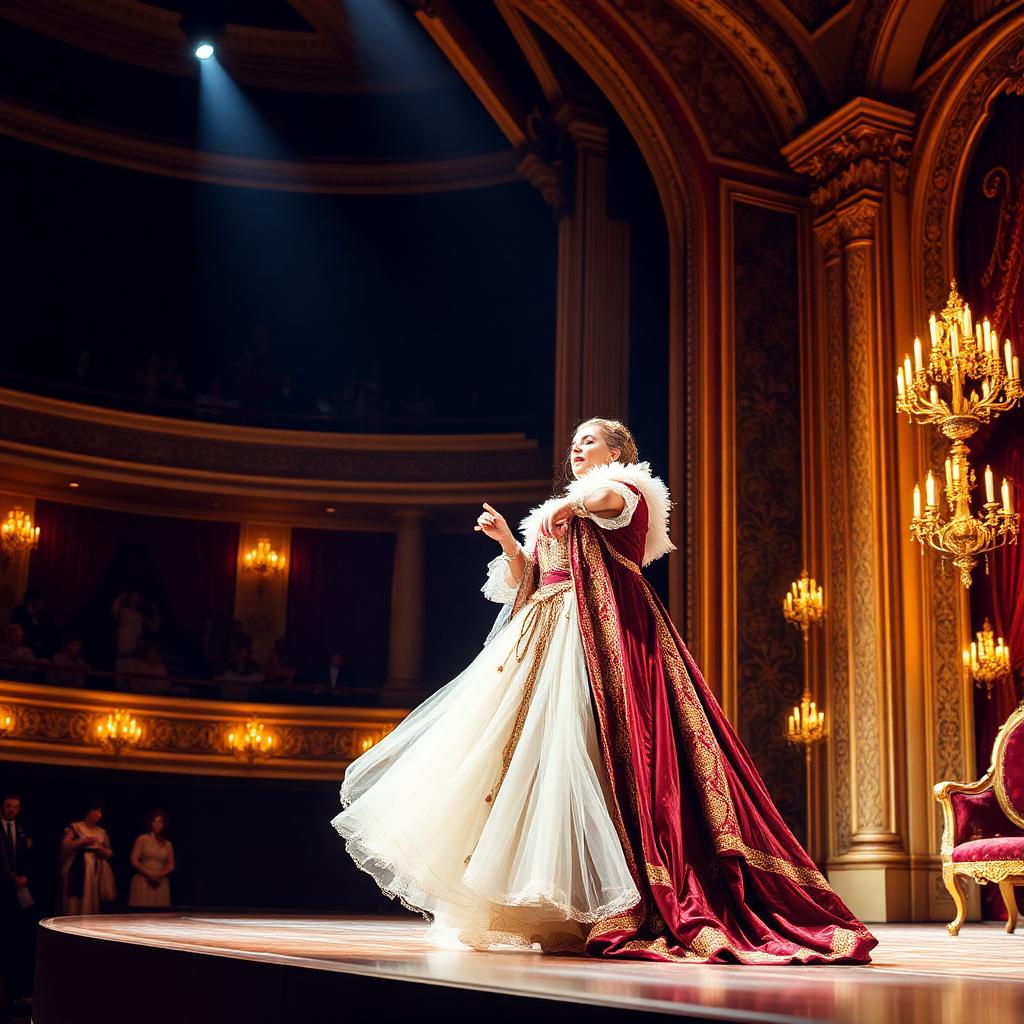
There is one major caveat to the "wear anything" rule: the summer country house opera festivals (such as Glyndebourne, Garsington, or Longborough). These are not usually listed in the general diary for major city venues, but they are one of the key sources of the "black tie" stereotype.
At these specific venues, evening dress is often the formal request. If you find yourself invited to one of these, do check their specific website. However, for the touring productions you will find in the Bravura diary — such as those by the Welsh National Opera at the Wales Millennium Centre — this formal requirement does not apply. You can watch Verdi in your everyday clothes.
Practical Considerations for the Concert Hall
While aesthetics are flexible, the physical environment of a concert hall imposes its own logic.
- Layers are essential: Concert halls are temperamental when it comes to temperature. The Royal Albert Hall can be sweltering during a packed Prom in the summer, while older stone buildings like Ripon Cathedral or St Martin-in-the-Fields can be drafty, even in September.
- The "Quiet" Rule: This is the only dress code that actually matters. Avoid "noisy" clothing. Bangles that clatter against each other when you clap, or heavy waterproof jackets that rustle every time you breathe, can be surprisingly distracting in a silent hall during a delicate solo.
- Footwear: You may be walking up several flights of stairs or standing during an interval. Comfort should be your priority.
- Scent: In the close quarters of a theatre or concert hall, heavy perfume or cologne can be overwhelming for your neighbours. It is polite to keep it subtle.
The only social sin in a concert hall isn't wearing the wrong shoes; it’s making a noise during the quiet bits.
When Should You Dress Up?
If there is no strict code, why do people still wear suits? For many, dressing up is part of the ritual. It marks the evening as something distinct from the mundane. If you are going to hear a world-renowned artist like Martha Argerich or the Sinfonia of London, you might feel that the occasion warrants a bit of effort.
If you enjoy fashion, a classical concert is a wonderful place to wear something bold. The community is generally far more interested in the quality of the woodwind section than the label on your jacket, which provides a certain freedom to be as eccentric or as plain as you like.
Frequently Asked Questions
- Can I wear jeans? Yes. Dark denim is invisible in a darkened hall. Even light denim is common at the Proms and afternoon matinees.
- Do I need a tie? Almost never. You might see a few in the front rows, but they are a choice, not a mandate.
- What about trainers? Perfectly fine. As long as they are comfortable for you, they are fine for the venue.
- Are there cloakrooms? Yes, most major venues like the Royal Festival Hall and Symphony Hall, Birmingham have cloakrooms where you can leave heavy coats and large bags for a small fee.
Finding Your Next Performance
If you are still nervous, we suggest attending a daytime concert or a "distilled" event, such as those held at the Howard Assembly Room in Leeds. These are designed to be even more informal and are a great way to get used to the environment of a live performance.
Ultimately, the performers — whether it is The Sixteen in a cathedral or Northern Ballet in a regional theatre — are there to share an experience with you. They don't care what you are wearing, and neither does the rest of the audience.
To see what is currently booking, from orchestral blockbusters to intimate chamber music, visit the Bravura diary. You can also find more introductory advice in our guides section.